Precision Machined Parts: Processes, Materials, Tolerances & Quality
2026-10-28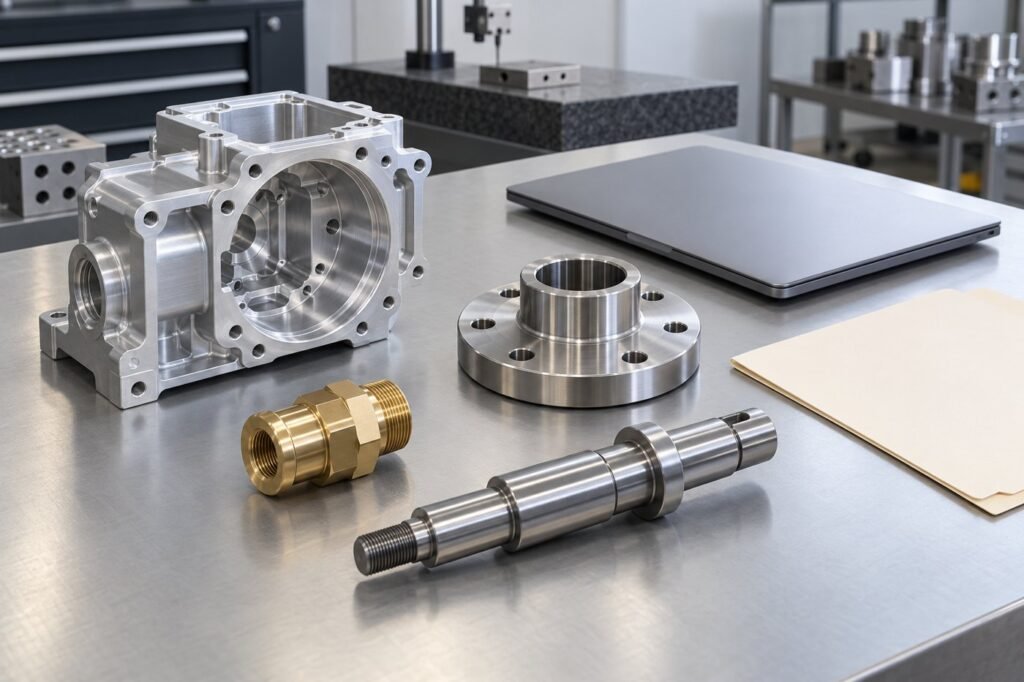
MILEMETAL · CUSTOM MANUFACTURING GUIDES
Outsourcing Custom Metal Parts: A Practical Guide to Machining Services
A promising quotation is only the beginning. The real test of outsourcing is whether the right parts arrive, fit the assembly and can be ordered again without reopening every technical question. That starts with a clear definition of the work you are buying.
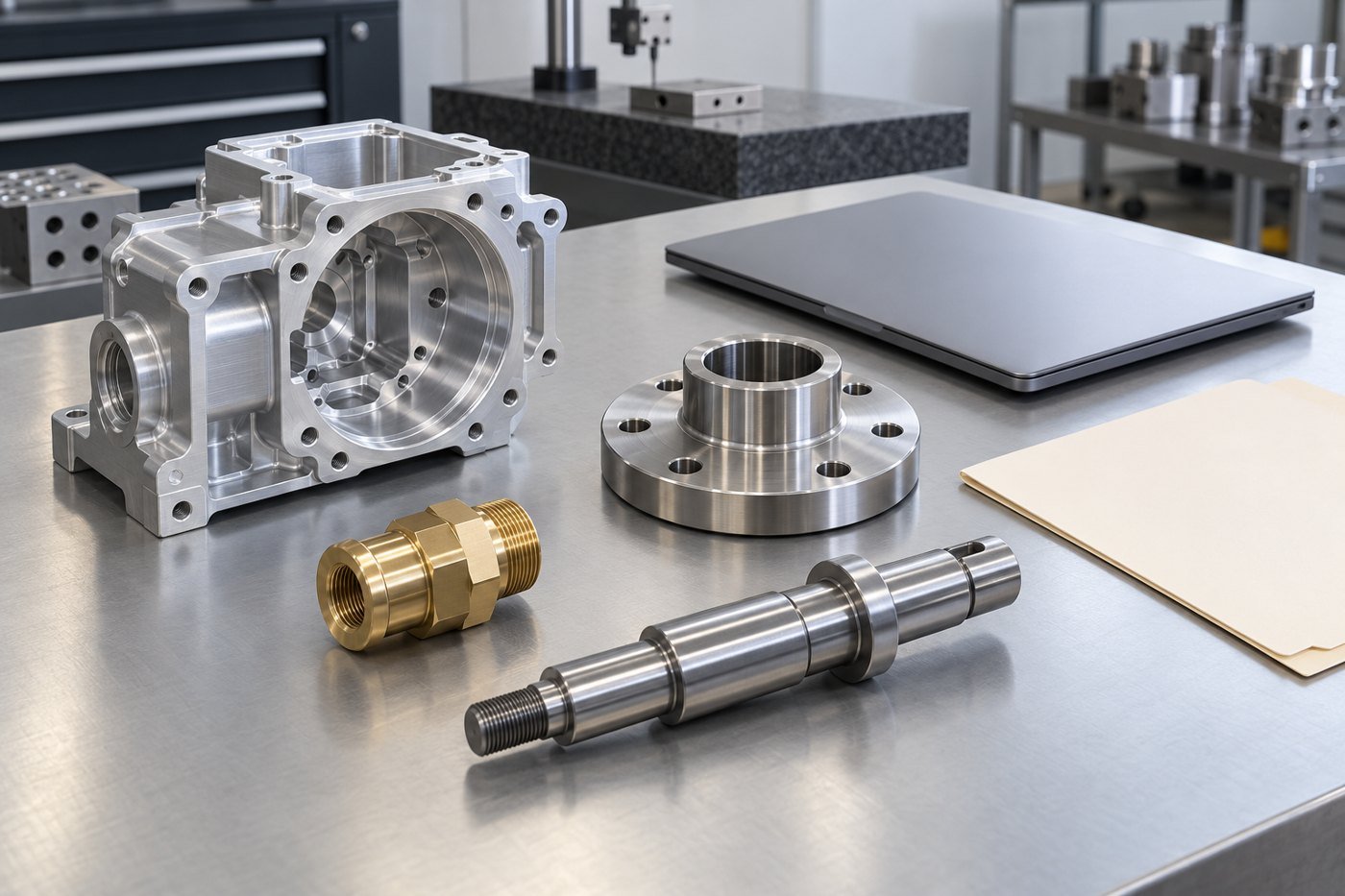
What does outsourcing custom metal machining include?
Outsourcing means assigning defined manufacturing work to an external supplier. For custom metal parts, that might be turning a shaft, milling a housing or supplying a finished component with agreed inspection records. It can also mean outsourcing one operation while keeping the rest of the work inside your own facility.
The word “finished” deserves attention. One quote may cover machining only. Another may include material, deburring, surface treatment, inspection and protective packaging. Both can be reasonable offers, but they are not the same purchase.
Consider an aluminum housing with a close-fitting bore and an anodized exterior. Someone needs to decide whether the bore is coated, what its final size should be and where the part can contact a finishing rack. If those decisions are missing from the drawing, sending the work outside does not make them disappear. It moves the uncertainty to another organization.
A useful scope description also identifies who supplies the stock, who controls secondary operations and which changes need approval. This keeps a supplier from quoting a different route simply because an important step was left implicit.
Examples of the parts you can discuss with a machining supplier
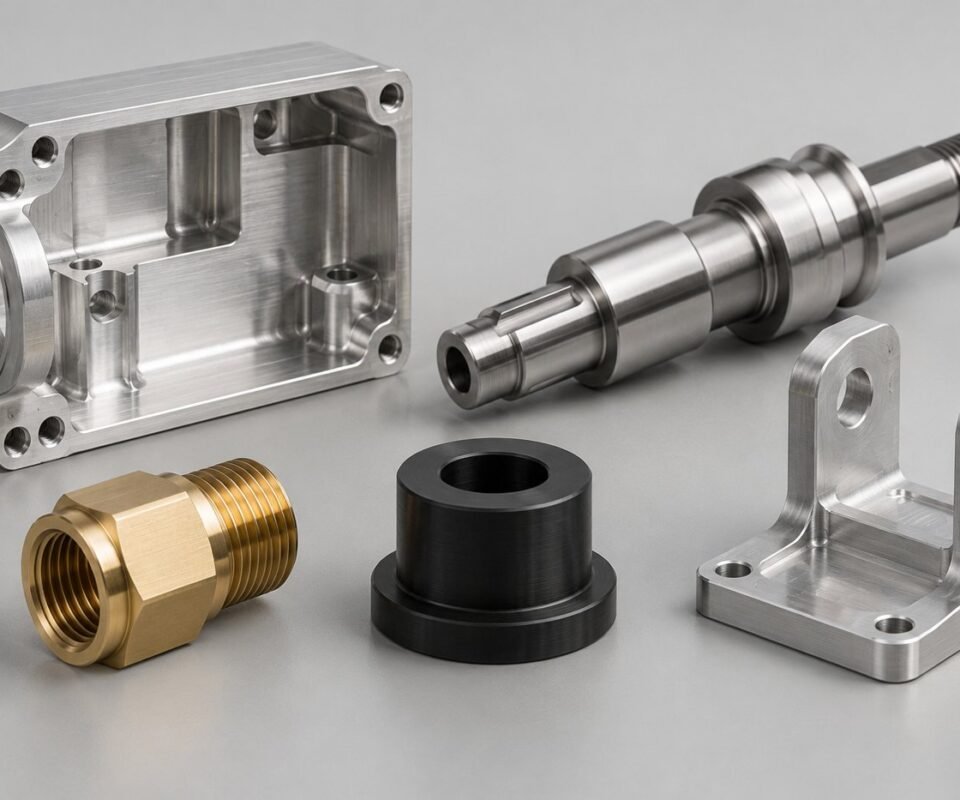
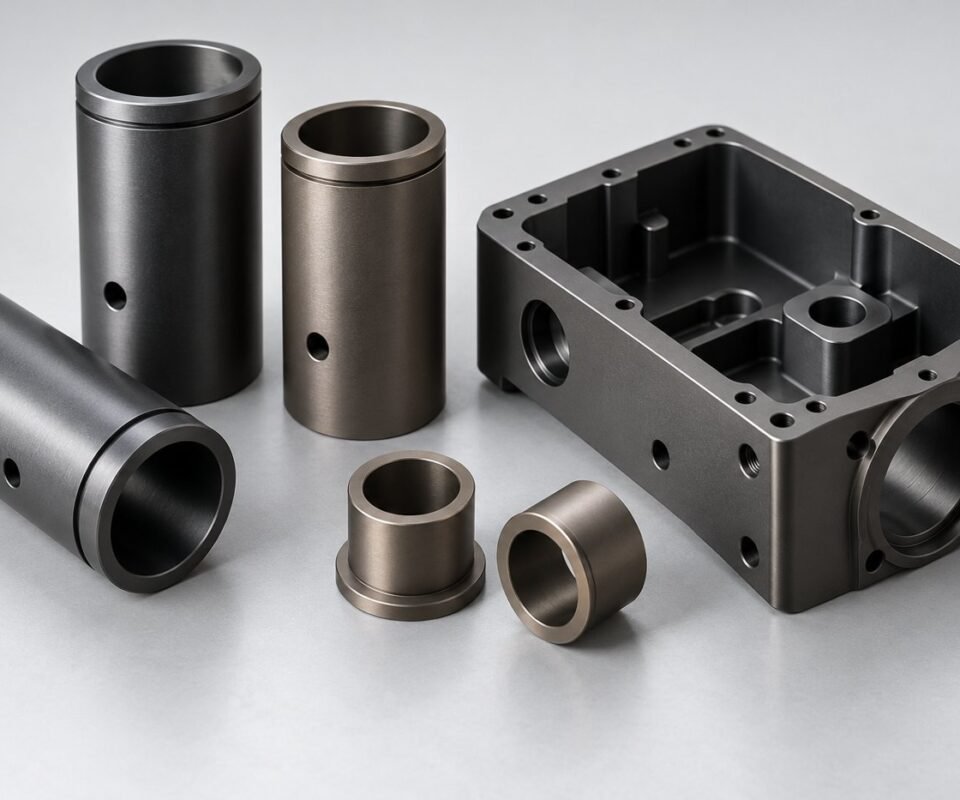
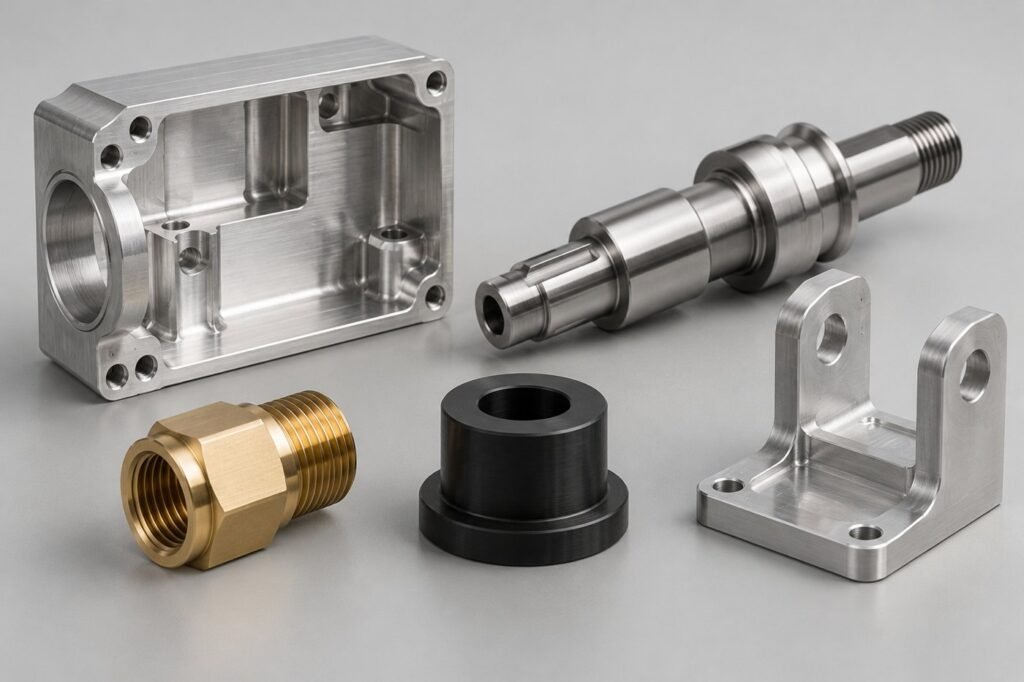
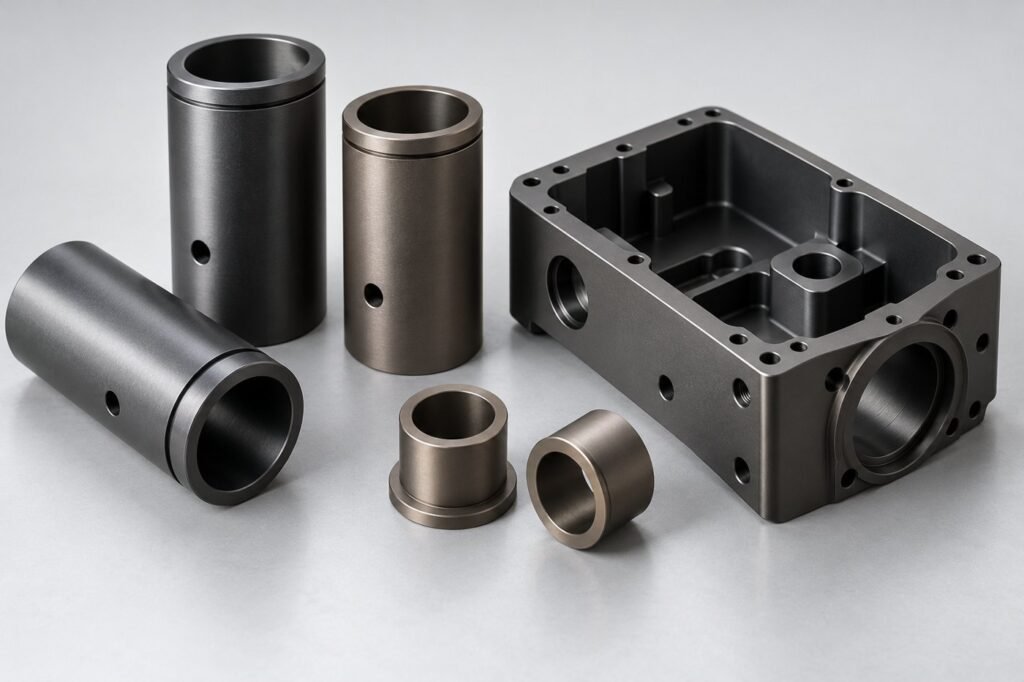
The following products come from the MileMetal media library. They illustrate different component forms, not a single outsourced project or a verified customer case.


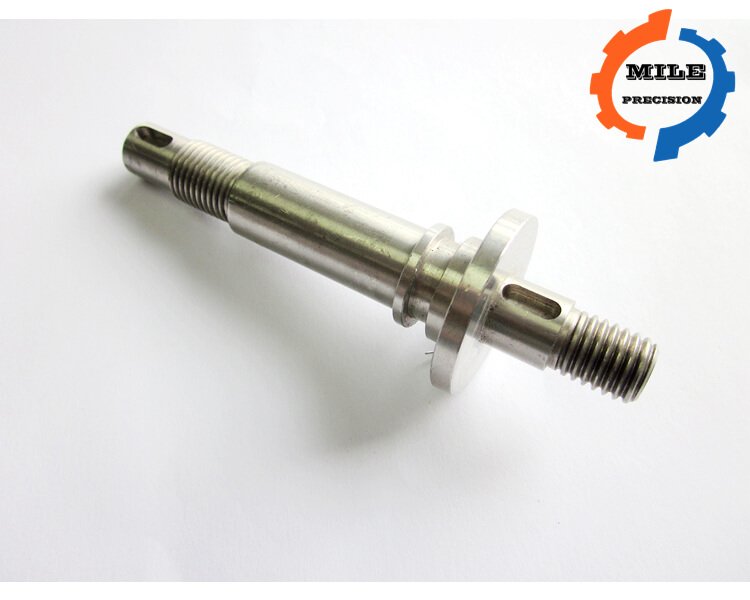


For a flange, the mounting pattern and mating face may drive acceptance. For an adapter, threads and sealing geometry may matter more. Grouping parts by their actual manufacturing and inspection needs is more useful than sending a folder of unrelated drawings with one request for “best price.”
When outsourcing makes sense—and when it may not
Outsourcing can be attractive when demand is uneven, an operation is needed only occasionally or an internal bottleneck is delaying assembly. It can also let a team obtain parts without first building an entire machining department. Those benefits depend on finding a supplier with the right capability and available capacity.
Keeping work in-house may be preferable when the design changes daily, the operation is central to your own production knowledge or an existing cell already produces stable volumes efficiently. A mixed arrangement is often worth reviewing: keep rapid development or a critical operation close to the engineering team, while outsourcing selected components or repeat work.
| Project situation | Why outsourcing may help | Reason to keep work internal or use a mixed route |
|---|---|---|
| Occasional specialist operation | Access to a process without maintaining a rarely used resource | Repeated urgent iterations may make external scheduling difficult. |
| Temporary capacity shortage | An additional production route for selected parts | The supplier still needs available capacity, approved files and time to prepare. |
| New product with uncertain demand | A way to order defined quantities while the product develops | Frequent changes need disciplined communication and revision control. |
| Stable, high-utilization internal production | A benchmark or supplementary source | Existing internal capability may already provide an effective cost and response time. |
| Highly sensitive or closely integrated work | A specialist may still be useful for an agreed portion of the job | Access requirements, process knowledge or integration may favor retaining more control internally. |
Evaluate outsourcing against your own part family, demand pattern and internal capacity. Lower capital investment can be useful, but supplier dependency and recurring costs still need to be considered before choosing a long-term route.
The advantages are opportunities, not promises
A specialist may suggest a better manufacturing route. Spare external capacity may relieve a bottleneck. Buying a finished part may reduce the number of operations your own team coordinates. Each advantage should be checked against the supplier’s actual proposal.
The risks are equally concrete. An unclear revision can produce the wrong part; a delayed finishing operation can hold up an otherwise completed batch; unsuitable packaging can damage a functional surface. These are manageable issues when responsibilities and acceptance points are agreed early.
Compare the cost of usable parts, not just the unit price
Begin with a quotation that separates recurring part cost from one-time preparation. Then add any operations and delivery costs that are outside the quoted scope. Record which values are confirmed and which remain estimates.
NIST MEP includes total cost of ownership, supplier evaluation and strategic supplier relationships in its supply-chain management guidance. For a custom part order, a practical first step is simply to bring both quotations onto the same basis.
An illustrative quotation comparison
The numbers below are invented examples in US dollars for a single order of 100 parts. They are not MileMetal prices, market estimates or a prediction of savings. Both examples assume all 100 parts are accepted.
| Cost item | Quote A | Quote B |
|---|---|---|
| Quoted machining / part charge | 100 × $22 = $2,200 | 100 × $25 = $2,500 |
| One-time setup | $200 | $100 |
| Required finish | $300 additional | Included in part charge |
| Agreed inspection report | $150 additional | Included in part charge |
| Packaging and freight | $250 | $250 |
| Total for this defined scope | $3,100 | $2,850 |
| Cost per accepted part in this example | $31.00 | $28.50 |
The lower machining price is not the lower total in this example. For a repeat order, setup charges may change, so the comparison should be recalculated. If quantities or scope differ, normalize them before drawing a conclusion.
This is still a scope-adjusted quotation comparison, not a complete ownership model. Add applicable import charges, receiving effort, inventory carrying cost, payment costs and any other relevant items for your actual sourcing route. Do not assume an unquoted charge is zero.
Total relevant order cost ÷ accepted usable quantity
If some parts require sorting, rework or replacement, account for those costs and the timing of recovery. Track the original order and any replacement delivery consistently so the calculation does not hide the effect of a quality problem.
Compare in-house costs on the same basis
An internal comparison should include the resources the work actually uses: material, programming, setup, machine time, labor, tools, inspection and secondary processing. Also ask what other work could use the same capacity. Avoid comparing a supplier’s complete price with an internal number that includes only cutting time.
Review the decision again when demand, design or capacity changes. A sourcing route chosen for ten development parts need not remain the right answer for every later quantity.
Choose a supplier around the part, not the sales pitch
A long equipment list is a starting point. The more useful conversation is how the proposed supplier will manufacture your critical features, verify them and keep the work under control when the order repeats.
Ask focused questions about a representative drawing. A supplier that identifies a difficult bore, a missing finish note or an ambiguous thread gives you something concrete to discuss. A quick answer that skips those details is not necessarily a better quotation.
| Area to review | Useful question | Evidence to request |
|---|---|---|
| Technical fit | How will the critical features be made and checked? | A component-specific process discussion and inspection approach |
| Material control | How will the specified grade and condition be identified? | The material records and traceability agreed for the order |
| Secondary operations | Which steps are external, and who controls their requirements? | A clear scope for finishing, heat treatment or other supplied operations |
| Quality documentation | What will the report cover, and how many parts will be checked? | An agreed report format, inspection coverage and acceptance criteria |
| Capacity and scheduling | What has to happen before production starts? | A realistic sequence with material, approval and delivery dependencies |
| Changes and deviations | Who approves a proposed material or process change? | A documented approval route tied to the released revision |
| Commercial clarity | What is included, excluded or charged separately? | An itemized quotation with quantity, validity and delivery scope |
NIST’s supplier-selection guidance highlights the value of a defined evaluation framework and production documentation. Build your review around the characteristics that would cause trouble in your own assembly, rather than a long generic checklist.
If a certification or customer approval is required, verify its current scope and relevance to the work. A certificate is one piece of evidence; it does not replace a clear drawing, an agreed process or results for the parts being supplied.
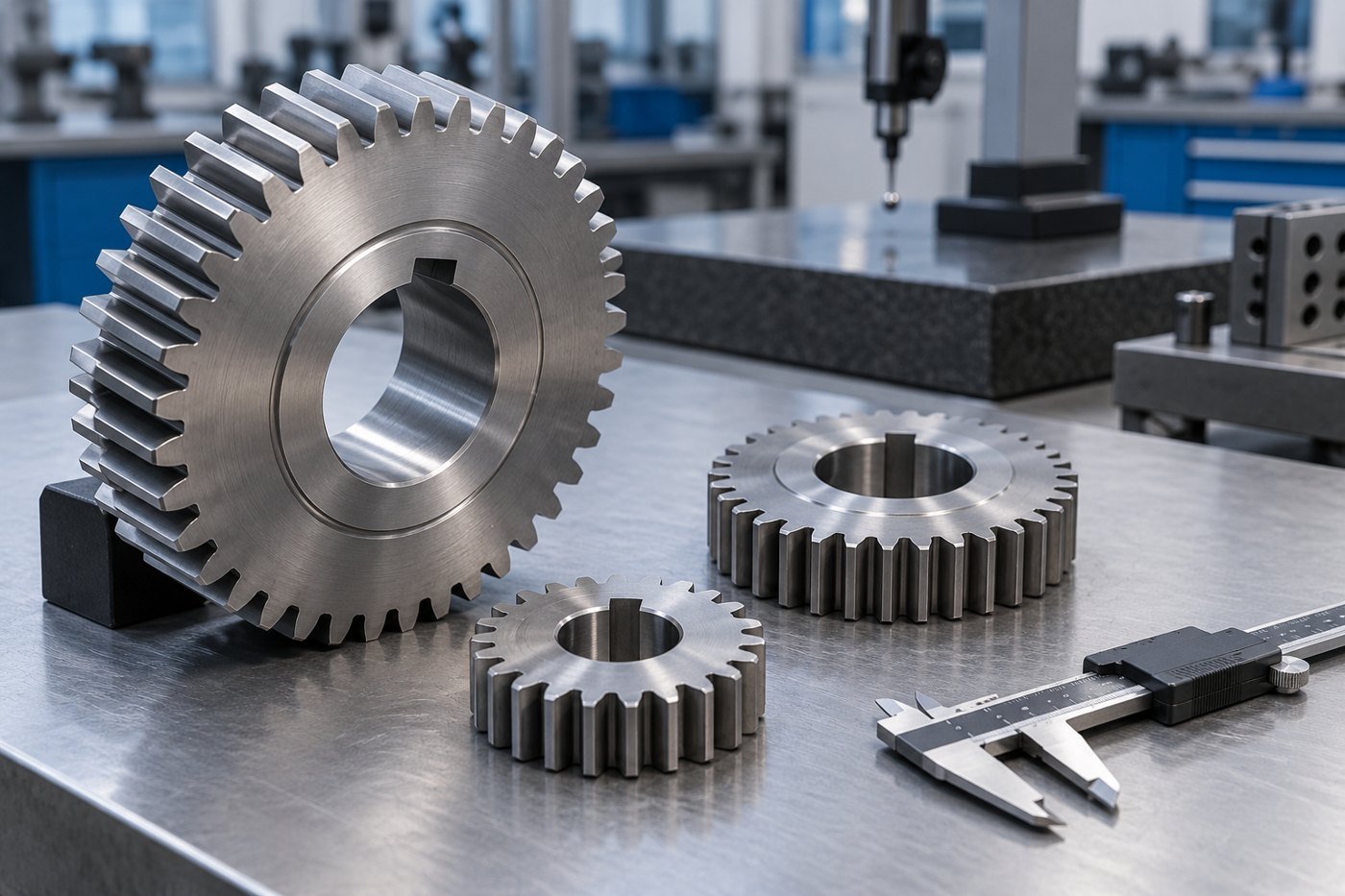
A practical route from enquiry to the first production order
A small first order can reveal how the relationship works before a large commitment is made. It is most useful when the purpose and acceptance points are defined in advance.
Release one quotation package
Send the same model, drawing revision, quantity and finish requirements to each supplier. Identify open questions separately so they do not become conflicting assumptions.
Close the technical questions
Resolve critical fits, masking, material condition, edge requirements and inspection scope. Capture accepted clarifications in controlled files or a clearly referenced order document.
Agree the sample and approval plan
Decide what the first parts need to demonstrate and what records must accompany them. State whether further production waits for approval or proceeds under an explicitly agreed arrangement.
Review the first parts in context
Check the agreed measurements and assemble the parts where appropriate. Separate a manufacturing deviation from a design change so the next action addresses the actual issue.
Release the approved batch
Confirm the accepted revision, quantity, finish, inspection coverage and packing requirements. Record changes made after the first build before starting repeat work.
Review delivery and repeat performance
Compare the received parts and records with the order. Feed any issues back into the next release rather than allowing a temporary workaround to become an undocumented practice.
Define what “first article approved” means
A dimensional report, an appearance sample and a successful assembly trial answer different questions. Decide which of them you need. If the prototype uses a different material or simplified finish, record that difference and be clear about what the evaluation can establish.
Approval should point to a specific revision and condition. A short message saying “looks good” is difficult to interpret months later if several versions of the part have been discussed.
Keep control of quality after production leaves your building
Outsourcing changes where the work happens. Your team still needs to define what is acceptable and how to respond when a delivery does not meet the order.
Make inspection requirements specific
Identify the characteristics that need results, the required report format and the inspection coverage. A sample report from one component does not mean every component was measured. Where full inspection is needed, include it in the quotation rather than adding it after the batch is complete.
Link each result to the drawing revision and feature. For a close-fitting part, identify whether the limits apply before or after surface treatment. Our precision machined parts guide explains why size, location and surface condition need separate attention.
Agree how discrepancies will be handled
If a part is out of specification, separate it from accepted stock and record the issue clearly. Establish who reviews the evidence, who decides the disposition and how replacement or rework timing will be communicated. Do not rely on informal acceptance of a deviation to define the next order.
Track a few useful measures
On-time delivery against the agreed date, acceptance at receiving, completeness of documentation and response to technical questions can reveal different problems. Keep their definitions consistent. A shipment that leaves on time but arrives too late for assembly may need a different scheduling discussion from a batch that fails inspection.
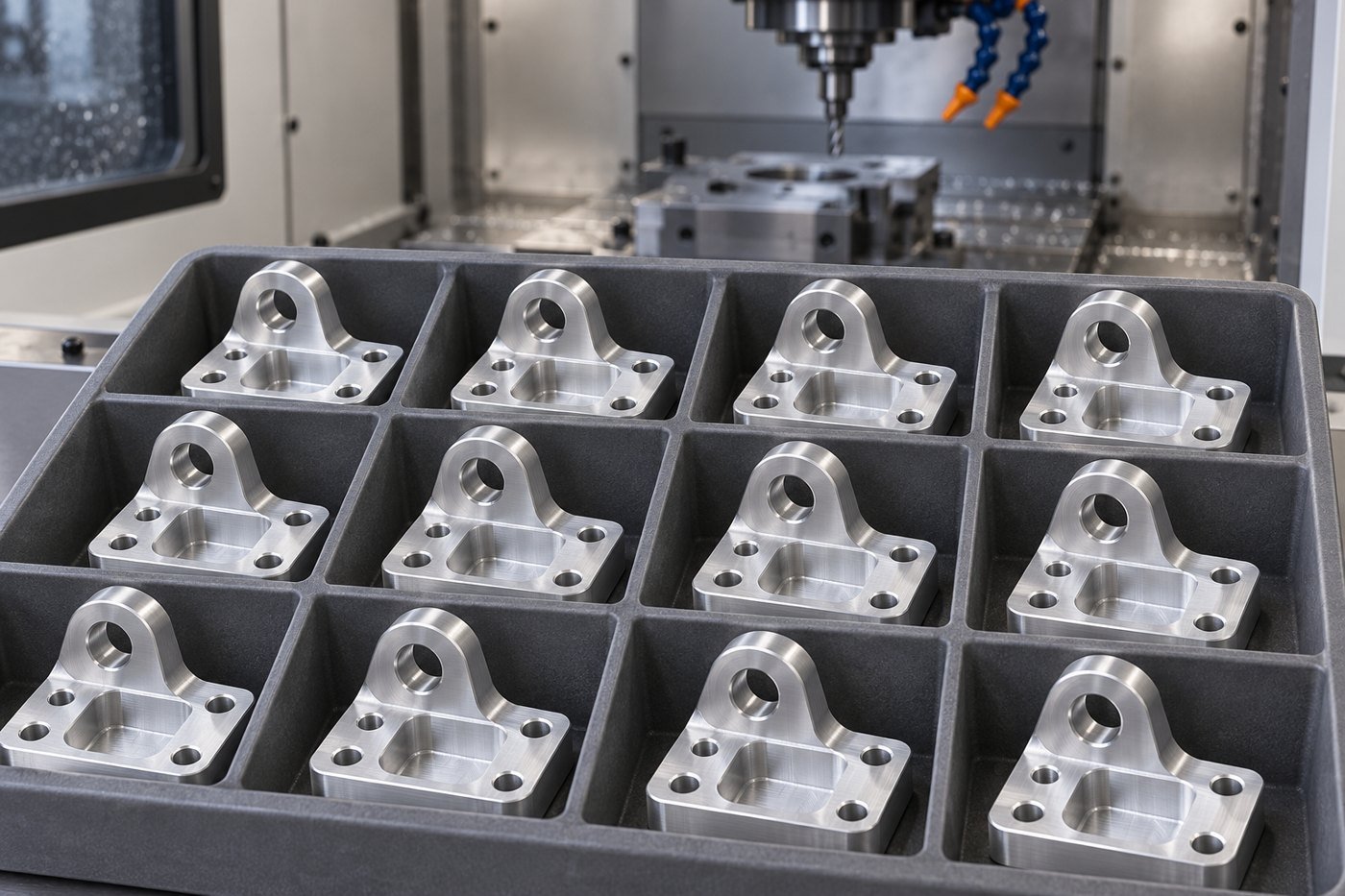
Communication and revision control prevent avoidable surprises
The most important message in a machining project is often a small change: a moved hole, a new material condition or a tighter finished bore. Make that change visible in the released file set and confirm which revision governs the next operation.
Use one technical contact on each side to consolidate decisions. A short written summary after a call is useful when the discussion changes the part or order. Keep questions, approvals and unresolved items distinguishable so a suggestion is not mistaken for authorization to proceed.
For proprietary components, define what information can be shared, with whom and for what purpose. Discuss any use of secondary suppliers and how drawings and records are handled. Confidentiality arrangements should accompany practical control of the files; they should not be treated as a substitute for knowing where the work is performed.
Clarify ownership and future access to any paid-for fixtures, dedicated gauges or other order-specific resources. Record what is included in the price and what would be needed to repeat or transfer the work. Avoid assuming the commercial arrangement simply because a setup charge appears on the quotation.
Plan delivery as part of the manufacturing job
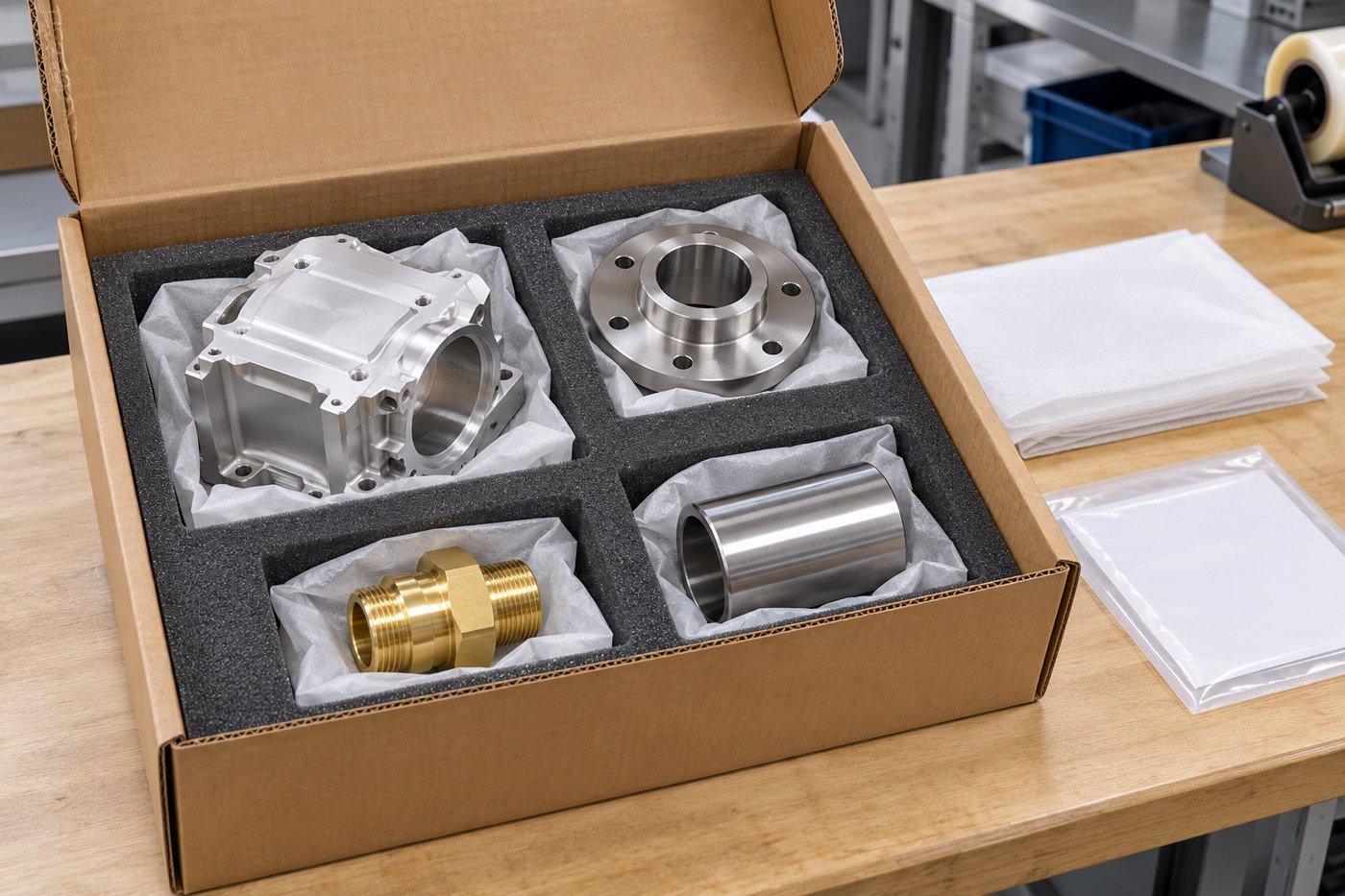
A promised production completion date is not necessarily the date usable parts reach your assembly line. Leave room in the schedule for the agreed inspection, finishing, packing, transport and receiving activities. Identify any approvals or supplied materials that control when the clock starts.
Discuss packaging around the surfaces that matter. A polished face, a close-fitting bore and a slender shaft may need different protection. Define part identification and the documents that should travel with the shipment or be sent ahead electronically.
If supply continuity matters, consider how an alternative route would be qualified before it is needed. Having a second supplier’s contact details is different from having an approved source that can reproduce the part. Keep the transferable drawing package current and understand what new samples or approvals another route would require.
For sourcing across different locations, confirm responsibility for freight and any applicable import formalities in the order. Compare delivery arrangements explicitly rather than assuming that two quoted lead times end at the same point.
An RFQ checklist for custom metal parts
A complete request does not have to be long. It needs to make the important decisions visible and identify anything that is still open.
| Include | Practical detail | Why the supplier needs it |
|---|---|---|
| Part identity | Part number, revision, STEP model and dimensioned drawing | Establishes one controlled definition of the component |
| Material | Grade, temper or condition, substitution restrictions and required records | Defines the starting material and documentation scope |
| Quantity | Sample quantity, batch quantity and expected repeat demand | Allows preparation and recurring work to be considered separately |
| Critical requirements | Mating fits, datums, threads, surface texture and edge details | Identifies the features that drive machining and inspection |
| Secondary operations | Finish or heat-treatment specification, masking and final acceptance condition | Prevents a machining-only quote from being mistaken for a finished-part quote |
| Acceptance | Inspection coverage, reports, sample approval and any required qualifications | Defines the evidence to be supplied with the parts |
| Delivery | Required arrival date, destination, packaging and delivery scope | Connects the manufacturing plan with the actual receiving need |
Include an assembly view when it explains the interface better than the standalone part. For replacements, distinguish the intended geometry from wear or field modifications. For new designs, explain what the first build needs to prove.
Use the RFQ to turn broad claims about service, experience and communication into specific commitments for your project. Ask suppliers to identify their proposed scope, open technical questions and the records they will deliver with the parts.
How to start a useful discussion with MileMetal
Send the components you have already defined, together with the quantity and delivery needs. We can review the machining enquiry and identify the material, finishing and inspection details needed for a quotation. Where the scope includes several operations, ask for the supplied condition and any exclusions to be made clear.
If your project is still developing, separate the immediate prototype requirement from the expected later batch. That gives the first order a practical purpose and keeps future volume estimates from being mistaken for a released production commitment.
Related resources include CNC turning, industrial equipment components and prototype and product development parts.
Frequently asked questions
Is outsourcing custom metal machining always cheaper?
No. Compare the same delivered scope, quantity and acceptance requirements. Include preparation, secondary operations, transport and relevant internal effort before deciding which route costs less.
Can I outsource only one manufacturing operation?
Yes, if the supplier accepts that scope. Define the condition in which material or parts are supplied, what operation is required and how the returned parts will be accepted.
Should I choose the lowest unit-price quotation?
First check what the price includes. A lower machining rate can be offset by setup, finishing, inspection or delivery charges. Technical fit and reliable execution also need to be assessed.
What should be approved before a production batch?
Confirm the released drawing, material, finish, inspection and packaging requirements. If samples are part of the plan, define their purpose and the approval needed before further production.
How do I protect critical dimensions when finishing is outsourced?
Identify after-finish dimensions and masking requirements in the released package. Confirm who controls the secondary operation and who checks the finished features.
How do I reduce supplier dependency?
Maintain a complete approved drawing package, understand order-specific tooling arrangements and review alternative routes where continuity requires them. Qualify alternatives before relying on them for urgent replacement capacity.
What does MileMetal need to review my project?
Provide the model and drawing, material, quantity, finishing requirements, critical interfaces, required records and delivery needs. Identify open decisions so they can be resolved during the quotation review.
Turn your drawing package into a clear machining enquiry
Share your custom metal part requirements with MileMetal. Start with the components, quantities and interfaces that matter most, and let’s define the work needed for your next order.