
Rapid Prototyping Services for Custom Metal and Plastic Parts
Milemetal provides rapid prototyping services for product development, engineering validation and low-volume production. We support CNC machining, CNC turning, sheet metal prototypes, 3D printed models, vacuum casting, urethane-style samples, bridge production and surface finishing for aluminum, stainless steel, steel, brass, copper and engineering plastics.
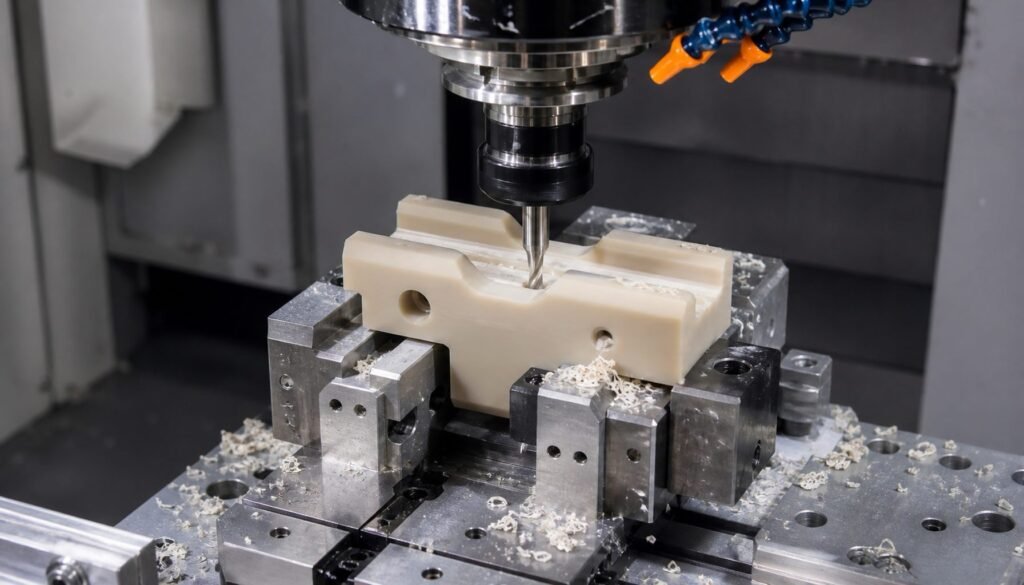
Custom Rapid Prototyping Capabilities
Rapid prototyping is used to turn a CAD model into physical parts quickly so teams can test dimensions, assembly, ergonomics, strength, sealing, thermal behavior, surface finish and manufacturability. The best process depends on whether the part needs concept appearance, functional testing, production-grade material or a short bridge run before tooling.
Milemetal focuses on practical prototypes that can move toward production. We can machine real aluminum, stainless steel, brass, copper, POM, ABS, nylon, PEEK and other engineering materials, then add finishing and inspection so the prototype behaves closer to the final part.
Functional metal and plastic parts with accurate holes, pockets, threads, bores and surfaces.
Shafts, spacers, bushings, nozzles, fittings and round prototype components.
Laser cut, bent, tapped and finished brackets, covers, panels, shields and enclosures.
Fast concept models, form checks and complex plastic shapes before CNC or tooling.
Small batches of plastic-like parts for appearance checks, fit tests and market samples.
Low-volume manufacturing while injection molding, stamping or die casting tooling is not ready.
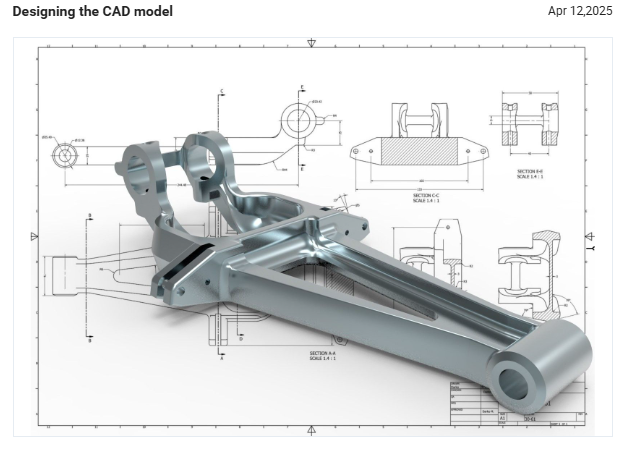
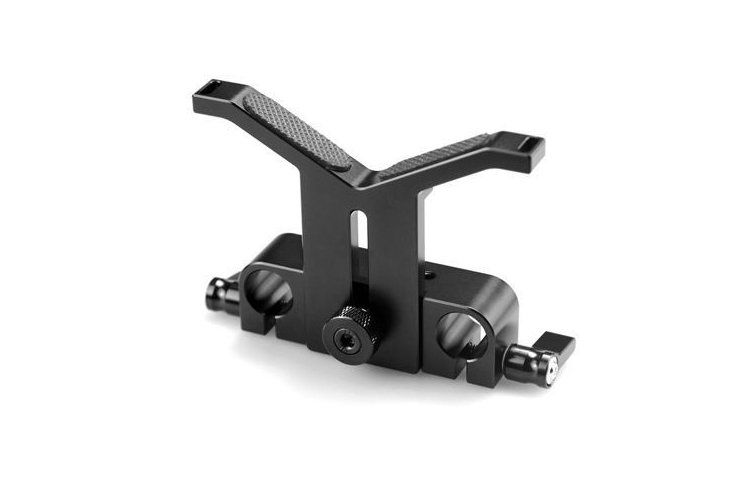


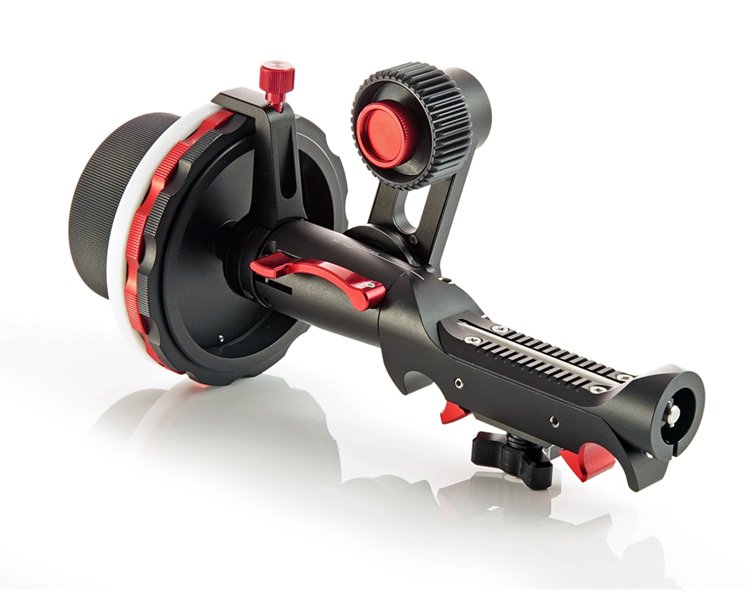
Rapid Prototyping Workflow
CAD review
Review STEP files, 2D drawings, material, finish, tolerance, quantity and test purpose.
Process selection
Choose CNC machining, sheet metal, 3D printing, casting-style sample or bridge production route.
Prototype build
Machine, print, form, deburr, assemble and finish the parts based on the approved requirement.
Test and iterate
Inspect dimensions, check fit, collect feedback and update the design before production.
Rapid Prototyping Process Comparison
Different prototype processes answer different questions. Some are best for visual checks, while others are better for strength, tolerance, heat resistance, assembly testing or low-volume sales samples.
| Process | Best for | Typical materials | Lead-time behavior | Design notes |
|---|---|---|---|---|
| CNC machining | Functional prototypes, precision features, real material testing | Aluminum, stainless, steel, brass, copper, POM, ABS, nylon, PEEK | Fast for simple to moderate geometry; setup and fixturing affect timing | Best when tolerance, surface finish, threads and production material matter. |
| CNC turning | Shafts, spacers, sleeves, bushings, fittings and round parts | Metals and engineering plastics | Fast for rotational parts and bar-stock components | Define diameters, bores, threads, runout and surface finish clearly. |
| Sheet metal prototypes | Brackets, enclosures, panels, covers and shields | Aluminum, stainless, steel, galvanized steel, copper | Fast when laser cutting and press brake tooling are available | Bend radius, hole-to-bend distance, flat pattern and finish should be reviewed. |
| 3D printing | Concept models, complex shapes, quick form and assembly checks | Resins, nylon, ABS-like plastics, selected metals by process | Very fast for one-off visual models | Layer lines, anisotropic strength and finish may not match production parts. |
| Vacuum casting | Small batches of plastic-like parts and cosmetic samples | Urethane-like materials and silicone molds | Good for short runs after master pattern and mold are ready | Useful for market samples, covers and pre-molded appearance parts. |
| Bridge production | Low-volume supply before production tooling | Project-dependent | Faster than waiting for hard tooling | Good for pilot builds, design validation and early customer deliveries. |
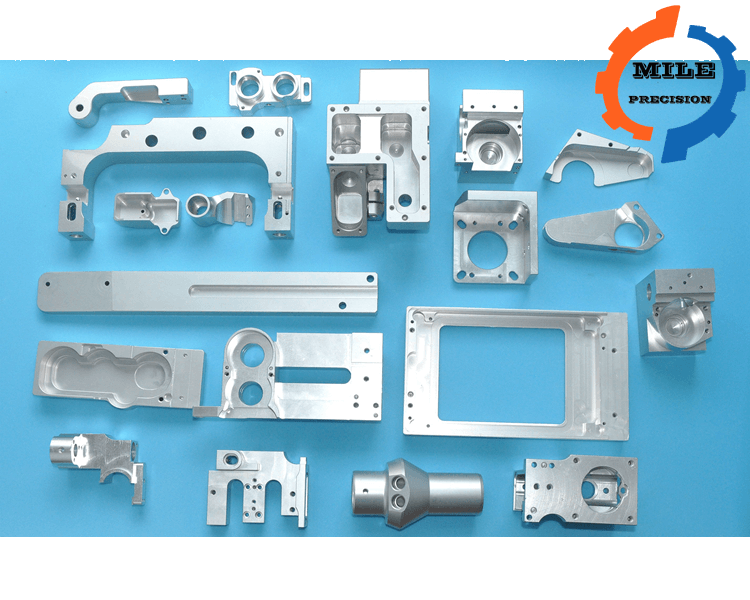
Prototype Parts Gallery
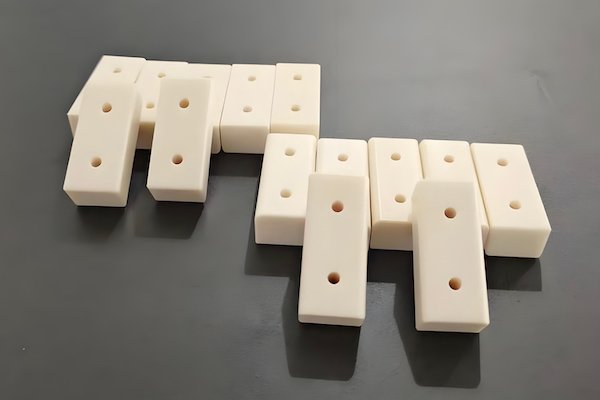
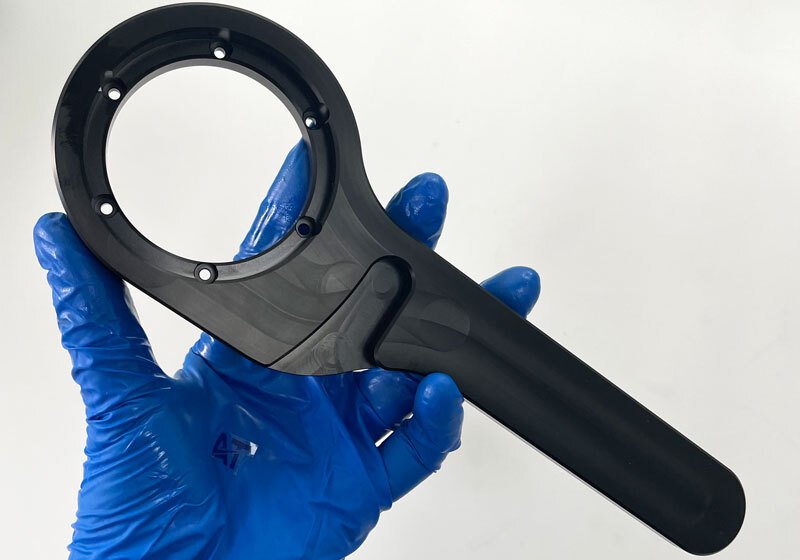
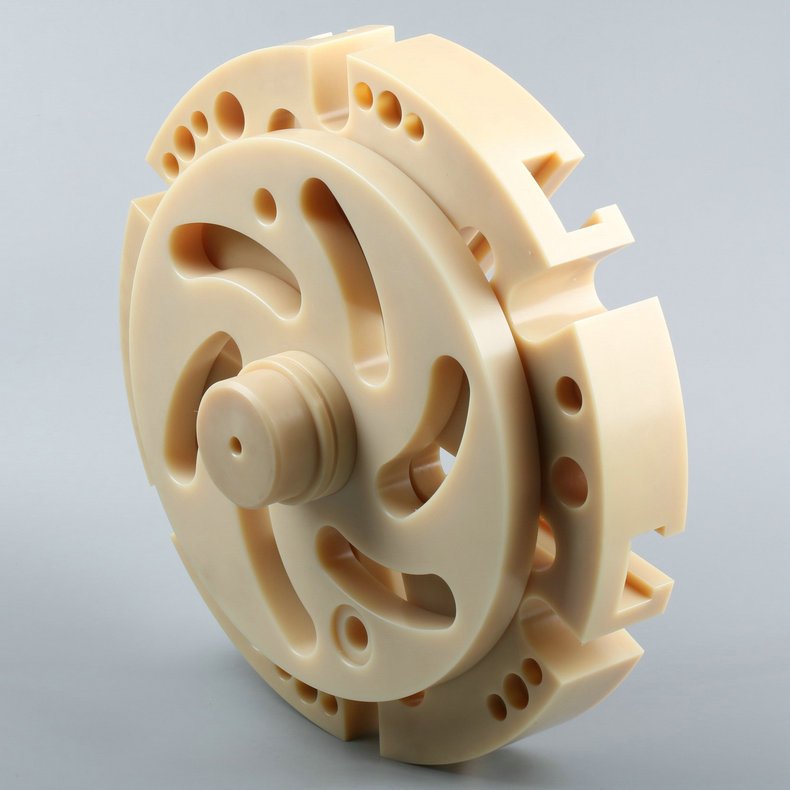
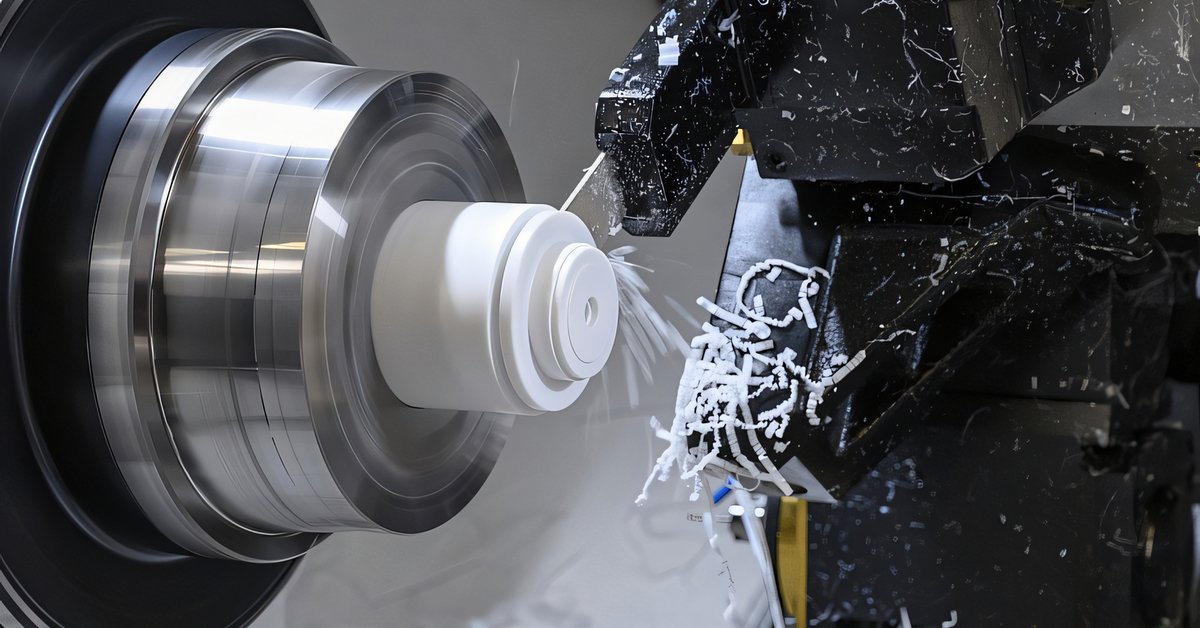
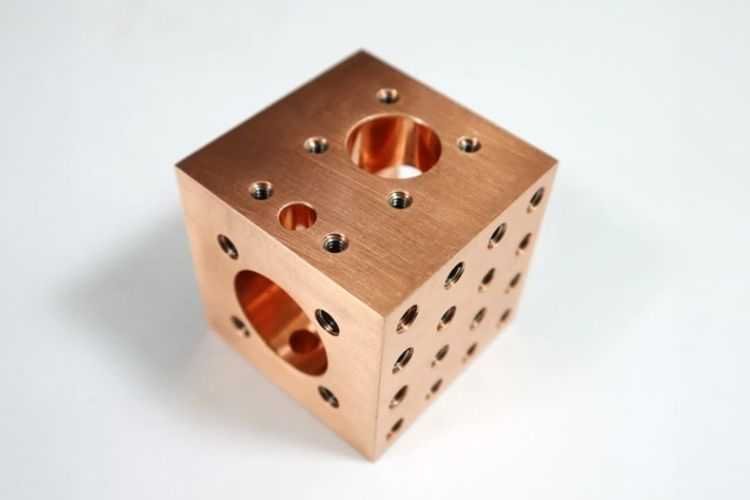
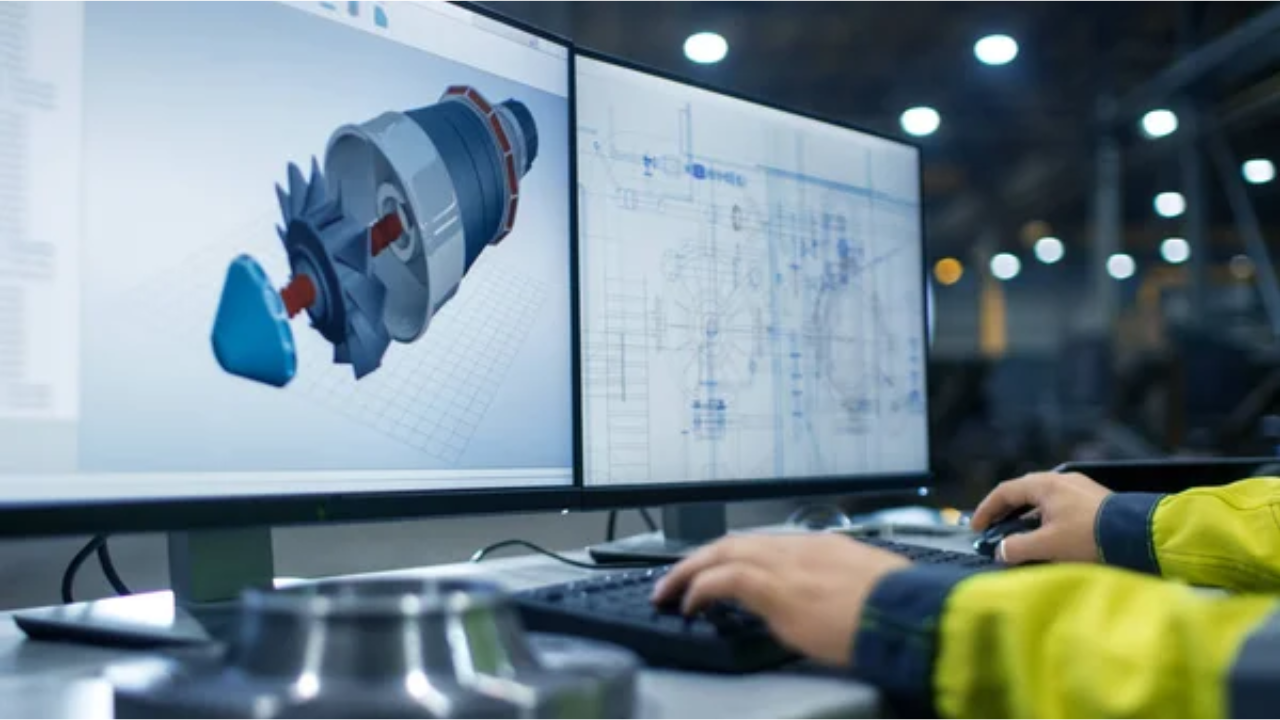
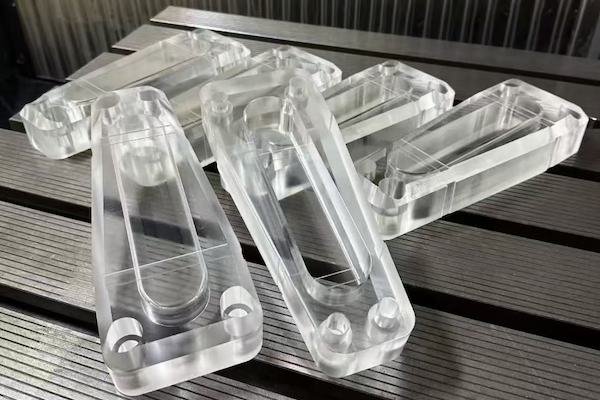
The gallery below shows common rapid prototype part categories, including CNC machined metal, engineering plastic, turned components, sheet metal and finished samples. A prototype can be rough and fast, or fully finished and inspection-ready depending on the project stage.
Rapid Prototyping Materials
| Material family | Common choices | Prototype use | Notes |
|---|---|---|---|
| Aluminum | 6061, 6082, 7075, 5052 | Lightweight housings, brackets, fixtures and functional parts | Good for CNC machining, sheet metal and anodized prototypes. |
| Stainless steel | 303, 304, 316, 316L, 17-4 PH | Corrosion-resistant prototypes, medical-style hardware, fluid parts | Useful when strength, corrosion and final material behavior matter. |
| Carbon / alloy steel | 1018, 1045, 4140 and similar alloys | Strong brackets, shafts, tools, wear parts and functional test hardware | Can be plated, blackened, heat treated or painted. |
| Brass / copper | C360 brass, C110 copper, bronze | Electrical, thermal, decorative and fitting prototypes | Conductivity and finish requirements should be defined early. |
| Engineering plastics | ABS, POM, nylon, PC, PMMA, PTFE, PEEK | Insulators, housings, guides, low-friction and lightweight prototypes | CNC machining gives better fit and finish than many printed plastics. |
| 3D print materials | Resin, nylon, ABS-like, TPU and process-specific materials | Concept models, appearance samples and complex shape checks | Confirm whether the prototype is for visual, fit or functional testing. |
Prototype Timeline and Process Fit Chart
The chart gives a practical comparison of rapid prototyping routes. Exact delivery depends on material availability, quantity, finishing, inspection and design complexity.
Design Tips for Faster Prototyping
State the test goal
Tell us whether the prototype checks appearance, fit, strength, sealing, heat, wear or production cost.
Use realistic tolerances
Apply tight tolerances only to functional features such as bores, datums, threads and mating surfaces.
Separate cosmetic areas
Mark visible surfaces, finish requirements, color targets and allowed tool marks or layer lines.
Plan next step
Choose a prototype route that can lead toward CNC production, stamping, die casting or molding.
- Send STEP files plus PDF drawings when dimensions, tolerances or finish matter.
- For CNC prototypes, define threads, inserts, surface roughness and critical datums.
- For plastic prototypes, confirm whether the part needs real material properties or only shape validation.
- For sheet metal prototypes, include material thickness, bend radius, grain direction and finish.
- For appearance prototypes, provide color sample, texture, gloss and cosmetic face requirements.
- For low-volume pilot runs, share expected annual demand and target production process.
Quality Control for Prototype Parts
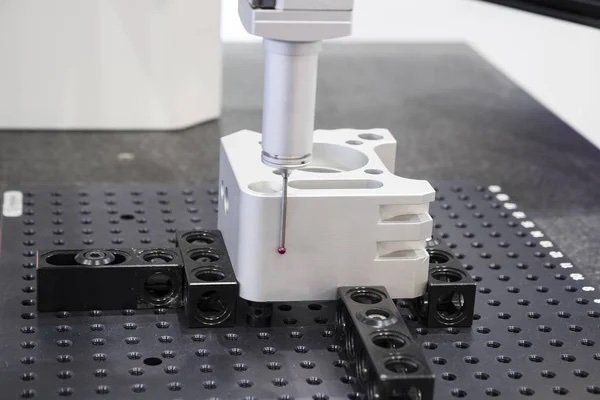
Prototype inspection should match the test purpose. A concept model may only need visual and fit review, while a functional CNC prototype may require dimensional inspection, thread gauges, material certification, surface roughness checks or an inspection report.
| Inspection item | Common method | When to use |
|---|---|---|
| Critical dimensions | Caliper, micrometer, height gauge, CMM | Functional prototypes, mating parts, bores, holes and datum features |
| Thread and fit | Thread gauge, pin gauge, mating part check | Fasteners, fittings, housings, shafts and precision assemblies |
| Surface finish | Visual inspection, roughness tester, approved sample | Sealing faces, sliding surfaces, cosmetic covers and finished prototypes |
| Material confirmation | Material certificate or purchase record | Functional metal prototypes and engineering plastic parts |
| Assembly validation | Fixture, mating parts, build trial, photo report | Enclosures, brackets, multi-part prototypes and pilot builds |
| Finish quality | Color check, coating thickness, adhesion or photo inspection | Anodized, plated, painted, polished and display prototypes |
How to Get an Accurate Rapid Prototyping Quote
For a fast and accurate quote, send STEP files, PDF drawings, material, quantity, finish, tolerance requirements, prototype purpose and target lead time. If you are unsure which process to use, share the test goal and expected production volume.
CAD files
Send STEP, STL, DXF or drawings depending on CNC, sheet metal or printed prototype needs.
Purpose
Tell us if the prototype is for appearance, fit, function, strength, customer demo or pilot production.
Material and finish
Define final material if known, or ask for a practical substitute for faster validation.
Quantity and timing
Share one-off quantity, pilot batch size, target delivery date and future production plan.
Start Your Rapid Prototyping Project
Send your CAD model, drawing, material, quantity and prototype purpose. Milemetal can help select the fastest practical process and prepare parts for testing, review or pilot production.