
Surface Finishing Services for CNC Machined Metal and Plastic Parts
Milemetal provides surface finishing services for precision machined components, including anodizing, hardcoat anodizing, electroless nickel plating, zinc plating, passivation, polishing, brushing, bead blasting, black oxide, powder coating and laser marking. We help match the finish to the material, tolerance, corrosion environment, appearance and assembly function.
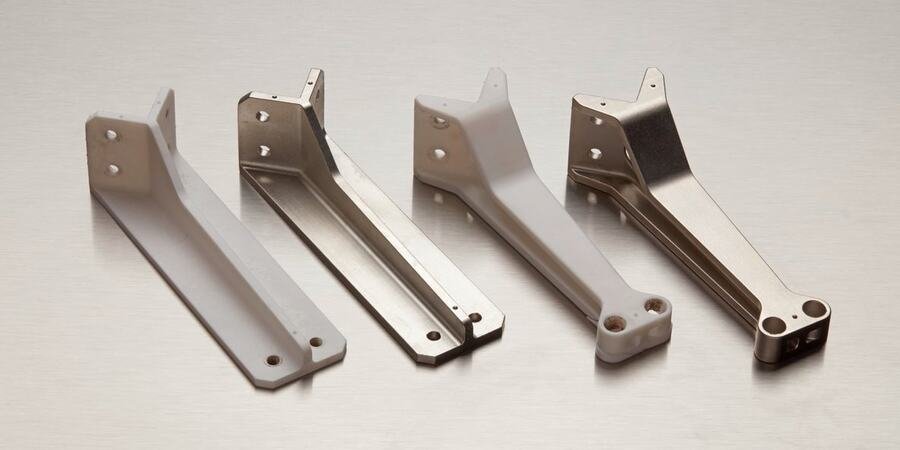
Custom Surface Finishing Capabilities
Surface finishing is the final engineering step that turns a machined part into a production-ready component. A finish may be selected to protect the base material, improve wear resistance, create a consistent cosmetic surface, prepare for assembly, support electrical performance or add permanent identification.
For CNC machined parts, finishing must be planned together with material, tolerances and part geometry. Coatings add thickness, polishing removes material, blasting changes texture, and chemical processes may behave differently in blind holes, deep slots and sharp internal corners.
Clear, black, colored and wear-resistant oxide finishes for aluminum parts.
Electroless nickel, zinc, chrome, copper, tin, silver and selected decorative plating.
Passivation, electropolishing, bead blasting, brushing and polishing for stainless parts.
Bead blasting, sandblasting, brushing, tumbling, deburring and polishing.
Durable color coating for aluminum, steel and assemblies with masking control.
Laser marking, engraving, serial numbers, logos, traceability marks and part labels.
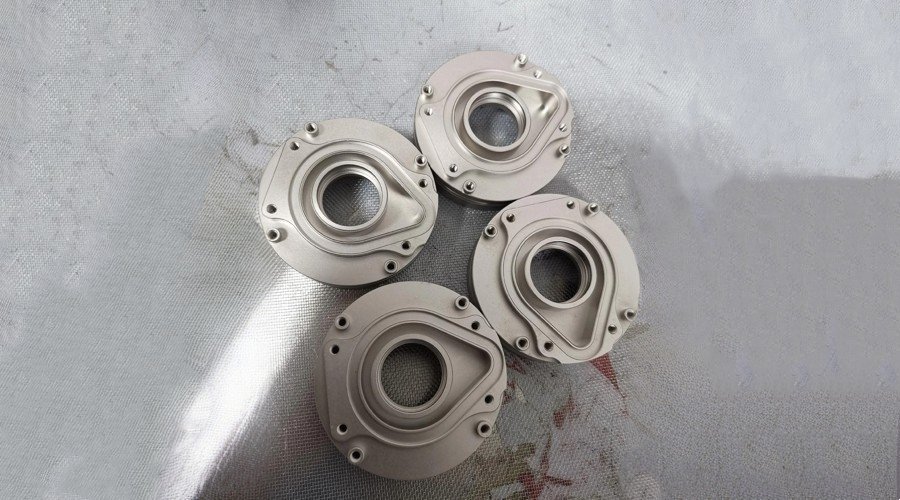
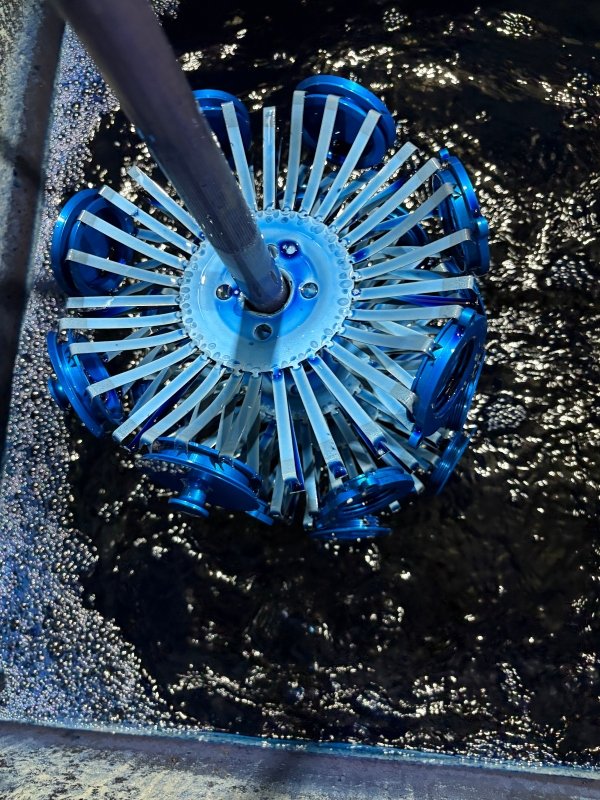

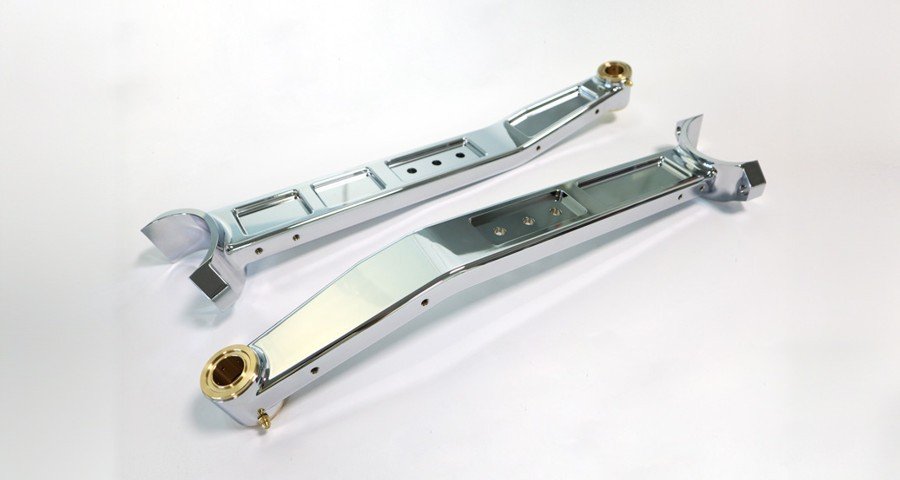

Surface Finishing Process Flow
Requirement review
Check material, drawing notes, appearance target, tolerance, threads, environment and inspection needs.
Surface preparation
Deburr, clean, blast, polish, brush or mask surfaces before the selected finish is applied.
Finish application
Apply anodizing, plating, passivation, coating, polishing, marking or combined finish sequence.
Inspection and packing
Check appearance, thickness, adhesion, dimensions, threads, masking areas and packaging protection.
Surface Finish Comparison Table
The table below compares common finishing processes for custom CNC machined parts. The final choice depends on base material, environment, coating thickness, desired appearance, cost target and whether the dimension applies before or after finishing.
| Finish | Compatible materials | Main purpose | Typical appearance | Design notes |
|---|---|---|---|---|
| Clear / color anodizing | Aluminum 6061, 6082, 7075, 5052 | Corrosion resistance, color and durable oxide layer | Clear, black, red, blue, gold, satin or matte | Coating affects dimensions; color varies by alloy and batch. |
| Hardcoat anodizing | Aluminum alloys | Wear resistance and thicker protective oxide | Gray, dark gray, black or bronze tone | Mask precision bores, threads and tight bearing fits if needed. |
| Electroless nickel plating | Steel, stainless, aluminum, brass, copper | Uniform corrosion and wear protection | Bright silver or satin nickel | Good for complex geometry because thickness is more even than electroplating. |
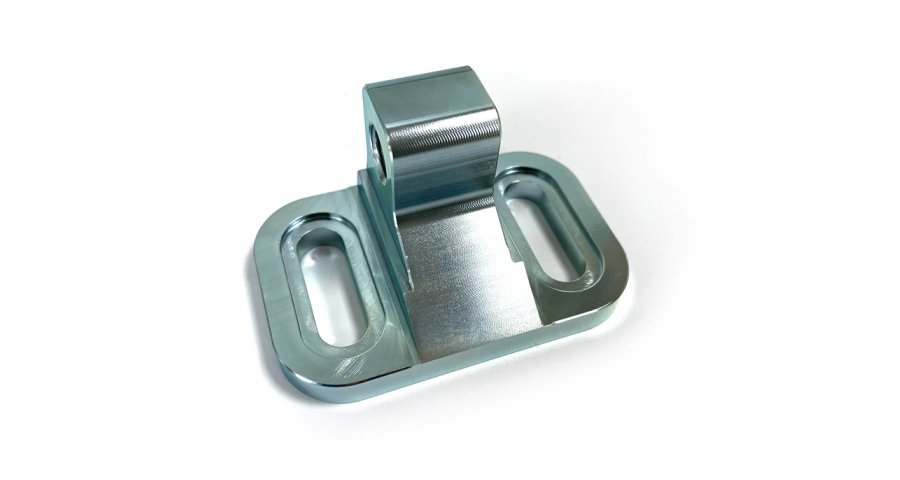
| Zinc plating | Carbon steel and alloy steel | Economical corrosion protection | Clear, blue, yellow, black chromate | Review hydrogen embrittlement risk for high-strength steel. |
| Chrome plating | Steel, brass, copper alloys | Hardness, wear and bright decorative surface | Mirror bright or industrial chrome | Hard chrome may need grinding allowance after plating. |
| Passivation | Stainless steel | Improve corrosion resistance by removing free iron | No major visual change | Not a build-up coating; useful after machining or welding contamination. |
| Electropolishing | Stainless steel and selected alloys | Smoother, cleaner, brighter surface | Bright and smooth | Removes a small amount of material; useful for cleanability and sanitary parts. |
| Powder coating | Aluminum, steel and metal assemblies | Thick color coating and corrosion protection | Wide colors, textures and gloss levels | Mask threads, grounding points, mating faces and tight holes. |
| Black oxide | Steel, stainless and copper alloys by process | Dark appearance with light corrosion protection | Black or dark gray | Thin conversion finish; often paired with oil or sealant. |
| Bead blasting | Aluminum, stainless, steel, brass | Uniform matte texture and surface preparation | Matte, satin or fine textured | Can soften edges and slightly affect small features. |
| Polishing / brushing | Stainless, aluminum, brass, copper | Cosmetic appearance and lower roughness | Mirror, satin or directional grain | Base surface quality matters; polishing can round edges. |
| Laser marking | Most metals and many plastics | Permanent logo, serial number and traceability | Etched, annealed, black, white or contrast mark | Define mark size, location, contrast and durability requirement. |
Finish Selection by Performance Goal
Anodizing, zinc plating, electroless nickel, passivation, powder coating and painting are common choices.
Hardcoat anodizing, hard chrome, electroless nickel and selected polishing routes can improve wear behavior.
Bead blasting, brushing, polishing, color anodizing, powder coating and decorative plating create controlled appearance.
Passivation and electropolishing improve corrosion behavior and surface cleanability for stainless steel parts.
Tin, silver, gold, nickel and copper plating may be considered for electrical contacts and conductive components.
Laser marking and engraving add durable logos, QR codes, serial numbers, batch numbers and part identification.
Typical Surface Finishing Parameters
These values are practical planning ranges, not universal specifications. Exact coating thickness, color, roughness, corrosion test and inspection standard should be confirmed on the drawing or quote request.
| Parameter | Typical range / option | Applies to | Why it matters |
|---|---|---|---|
| Anodizing thickness | Approx. 5-25 microns for decorative/type II; thicker for hardcoat | Aluminum parts | Affects color, corrosion protection and final fit. |
| Hardcoat anodizing thickness | Approx. 25-75 microns depending on requirement | Wear-resistant aluminum parts | Requires tolerance planning and masking for precision features. |
| Electroless nickel thickness | Approx. 5-25 microns for many machined parts | Steel, stainless, aluminum, copper alloys | Uniform build supports complex geometry and corrosion resistance. |
| Zinc plating thickness | Approx. 5-15 microns for many steel parts | Steel brackets, hardware and fittings | Balances corrosion protection, cost and thread fit. |
| Powder coating thickness | Approx. 60-120 microns or project-specific | Aluminum, steel, enclosures and frames | Thick coating needs masking on holes, faces and threads. |
| Surface roughness target | Ra 3.2, Ra 1.6, Ra 0.8 or custom | Machined, polished, sealing and sliding surfaces | Controls appearance, sealing, sliding and cleanability. |
| Masking areas | Threads, bores, shafts, sealing faces, electrical contacts | Most coating processes | Prevents assembly problems and electrical isolation where not wanted. |
| Color control | Sample, Pantone/RAL, gloss level or approved limit sample | Anodizing, paint, powder coating and decorative plating | Improves batch consistency and cosmetic acceptance. |
| Corrosion testing | Salt spray hours or customer standard when required | Outdoor, marine, automotive and industrial parts | Turns a vague finish request into a measurable requirement. |
Relative Finish Performance Chart
The chart gives a quick planning view of how common finishes compare for typical CNC machined parts. Final performance depends on material, coating thickness, pretreatment, sealing and service environment.
Material and Finish Compatibility Matrix
| Base material | Recommended finishes | Typical parts | Key caution |
|---|---|---|---|
| Aluminum | Clear anodizing, black anodizing, hard anodizing, bead blasting, powder coating, polishing | Housings, brackets, fixtures, heat sinks, optical parts | Anodizing color varies by alloy; coating thickness affects fits. |
| Stainless steel | Passivation, electropolishing, bead blasting, brushing, polishing, laser marking | Medical parts, food equipment, valves, fittings, marine hardware | Avoid embedded iron contamination before passivation. |
| Carbon steel | Zinc plating, electroless nickel, black oxide, phosphate, painting, powder coating | Brackets, shafts, hardware, fixtures, structural parts | Plan corrosion protection early; high-strength steel may need relief baking. |
| Brass / bronze | Polishing, nickel plating, chrome plating, tin plating, clear coating | Fittings, inserts, bushings, decorative hardware, connectors | Conductivity, solderability and tarnish resistance should be defined. |
| Copper | Nickel, tin, silver, gold, polishing, anti-tarnish coating | Electrical contacts, electrodes, heat transfer parts, busbars | Protect critical conductive areas from unwanted coating or oxidation. |
| Titanium | Passivation, anodizing, polishing, bead blasting, laser marking | Lightweight parts, medical hardware, aerospace-style components | Finish selection depends strongly on titanium grade and application. |
| Engineering plastics | Polishing, vapor smoothing by material, painting, pad printing, laser marking | Insulators, covers, guides, prototypes, low-friction parts | Heat and solvent compatibility must be checked before finishing. |
Design Tips for Better Surface Finishing
Choose finish early
Material, process, tolerance, color and masking should be reviewed before machining.
Break sharp edges
Small chamfers or radii help coatings cover edges more consistently and reduce peeling risk.
Mark critical areas
Identify surfaces that must be cosmetic, masked, conductive, sealed, polished or left as machined.
Control inspection
Define coating thickness, roughness, color, adhesion, corrosion test and final dimensions.
- Use the same alloy and surface preparation when anodized color consistency matters.
- Avoid unnecessary tight tolerance on surfaces that will receive thick coatings.
- Specify rack mark location for cosmetic anodized, plated or coated parts.
- Tell the supplier if threads, bores, sealing faces or electrical contacts must be masked.
- For assemblies, confirm the finish can reach internal corners, welded areas and hidden faces.
- For outdoor use, define the expected environment and corrosion test requirement if needed.
Quality Control for Finished Parts
Finished parts should be inspected for both surface quality and functional fit. Milemetal can support visual inspection, dimensional checks after finishing, thread verification, coating thickness review and documentation based on the project requirement.
| Inspection item | Common method | When to use |
|---|---|---|
| Appearance | Visual inspection under agreed lighting, photos, approved samples | Cosmetic covers, consumer parts, visible housings and branded parts |
| Coating thickness | XRF, magnetic gauge, eddy current or section measurement | Anodizing, plating, powder coating and corrosion-control finishes |
| Adhesion | Tape, bend, cross-cut, thermal shock or customer-specified test | Painted, plated, coated and bonded surfaces |
| Critical dimensions | CMM, caliper, micrometer, pin gauges, thread gauges | Bores, shafts, threads, sealing grooves, bearing seats and assemblies |
| Surface roughness | Roughness tester or approved comparison sample | Sealing faces, sliding surfaces, polished stainless and fluid parts |
| Corrosion resistance | Salt spray, humidity or customer-specific environmental testing | Outdoor, marine, automotive, industrial and export applications |
How to Get an Accurate Surface Finishing Quote
For the fastest review, send the 3D file, 2D drawing, material, finish name, color target, quantity, cosmetic surfaces, masking areas, corrosion requirement and whether final dimensions apply before or after finishing.
Files and material
Send STEP files and PDF drawings with alloy, revision, quantity and finish callouts.
Finish target
Share finish name, color, gloss, texture, thickness, sample or industry standard.
Functional surfaces
Mark threads, holes, bores, sealing faces, conductive surfaces and areas that need masking.
Inspection needs
Define coating thickness, roughness, adhesion, salt spray, photos or certificate requirements.
Start Your Surface Finishing Project
Send your drawing, material, finish requirement, color sample and critical dimensions. Milemetal can review the finishing route together with CNC machining, masking and inspection requirements.