
Metal Casting Services for Custom Aluminum, Zinc, Steel, Brass and Bronze Parts
Milemetal supports custom metal casting projects with casting process review, material selection, CNC machining, finishing and inspection. We help produce cast housings, brackets, covers, fixtures, fittings, hardware and industrial components where complex shapes, lower unit cost and post-machined precision features are required.

Custom Metal Casting Capabilities
Metal casting forms parts by pouring or injecting molten metal into a mold. It is useful for complex geometry, ribs, bosses, housings, covers, brackets and parts that would be expensive to machine completely from billet. Depending on quantity, material, tolerance and surface requirement, a project may use die casting, sand casting, investment casting or gravity casting.
Casting rarely replaces precision machining completely. Critical holes, threads, bearing seats, sealing faces, flat mounting surfaces and datum features are usually CNC machined after casting. A good casting design should define both the near-net cast shape and the final machined features.
Best for aluminum and zinc parts with higher production volume, thin walls, good repeatability and clean surface detail.
Suitable for larger parts, lower-volume parts and complex shapes where tooling cost must stay practical.
Useful for complex steel, stainless steel and alloy parts needing better surface detail than sand casting.
Good for selected aluminum components where lower pressure and stable filling are suitable.
Used for precision holes, threads, flatness, sealing faces, bearing seats and critical assembly surfaces.
Deburring, polishing, blasting, plating, painting, anodizing, passivation and dimensional inspection.



Metal Casting Parts Gallery
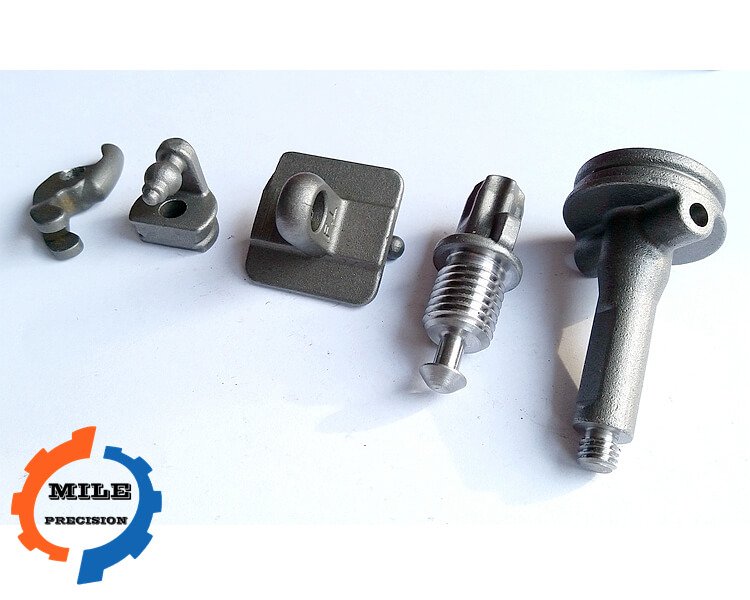
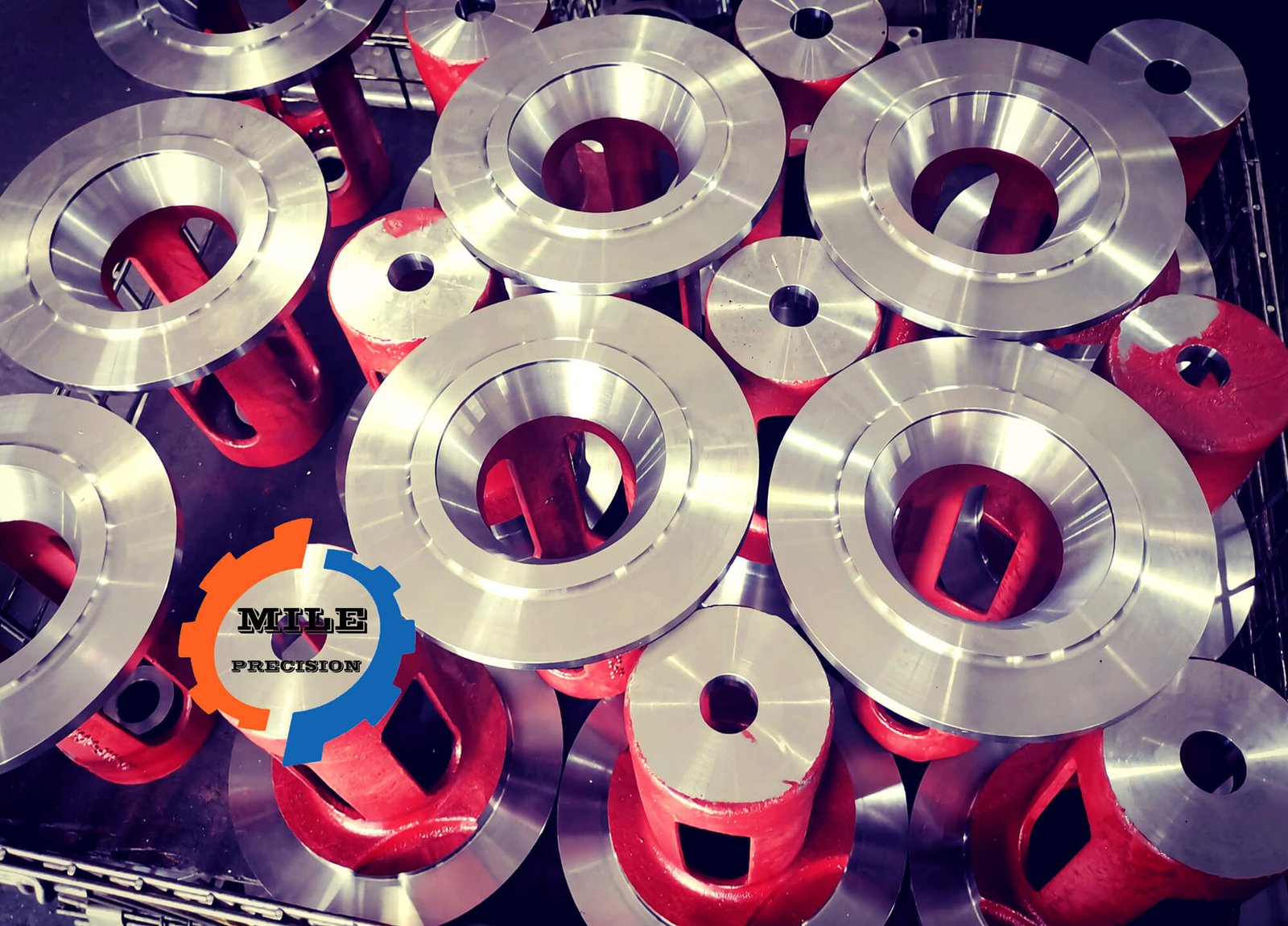
Cast parts are selected when shape complexity, weight reduction, volume and material efficiency are more important than machining every surface from solid stock. The examples below show typical casting applications and post-processing requirements.


Metal Casting Process Flow
Drawing review
Check material, quantity, casting process, machining allowance, tolerance, finish and inspection needs.
Tooling and mold
Plan parting line, draft, ribs, gates, runners, ejector marks and shrinkage allowance.
Casting production
Melt, pour or inject metal, cool, remove from mold, trim gates and clean the blank.
Machining and QC
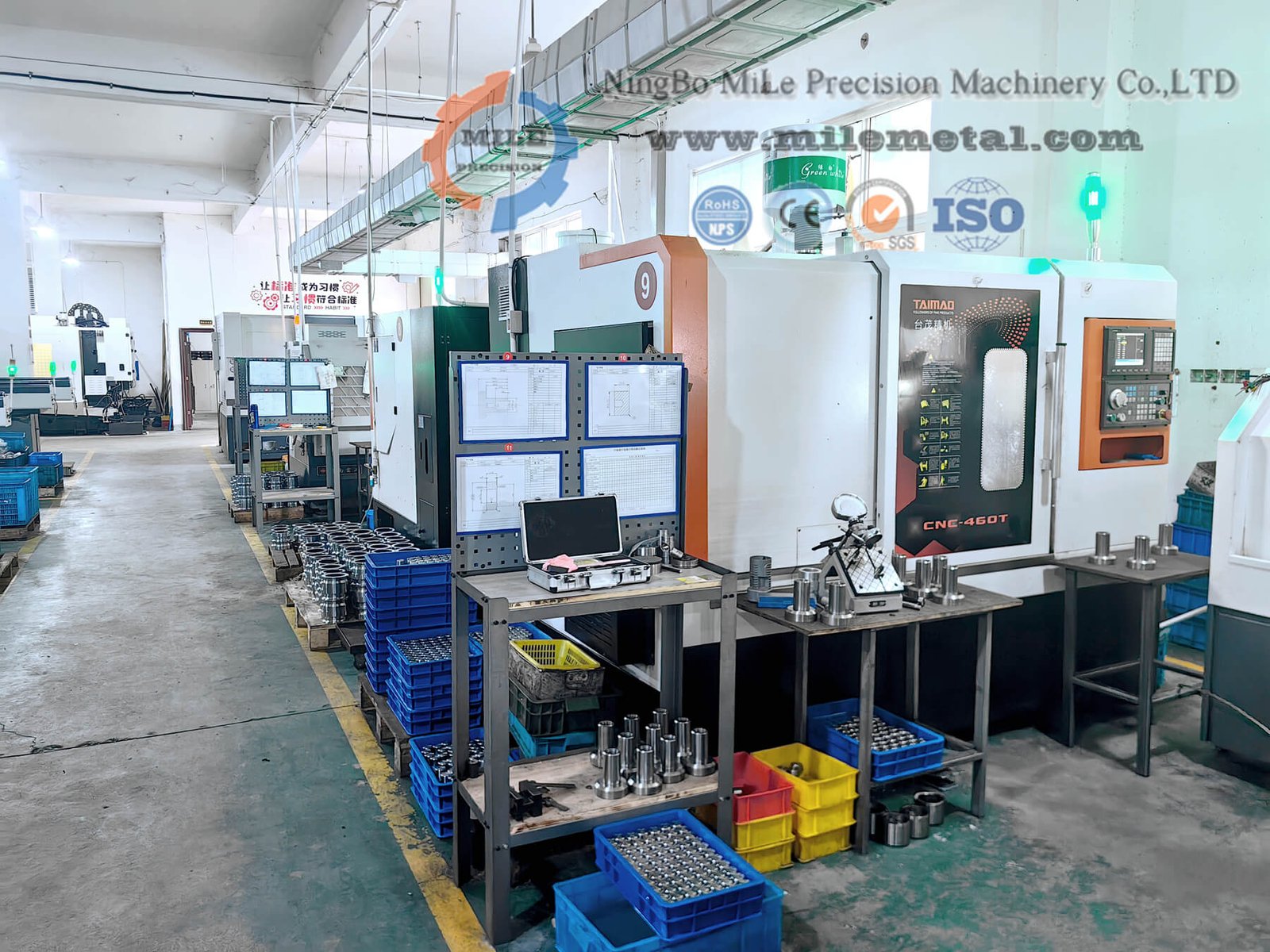
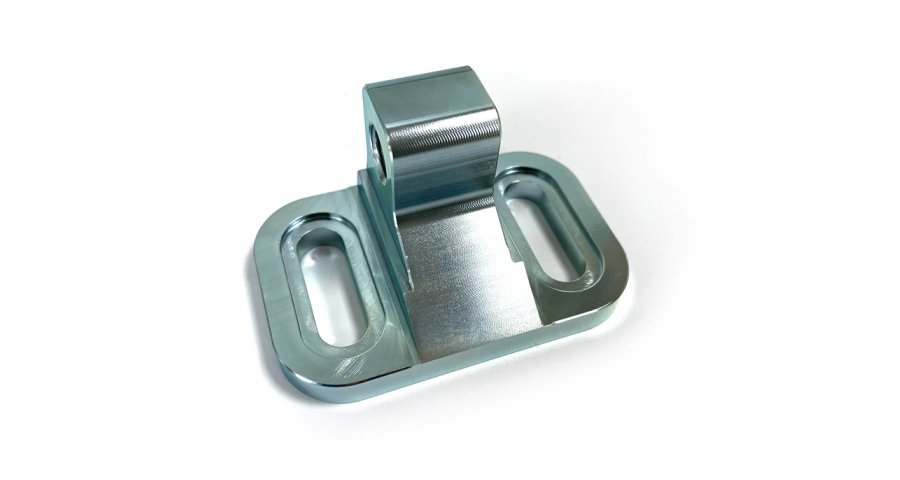
CNC machine critical features, finish surfaces, inspect dimensions and pack for delivery.
Metal Casting Process Comparison Table
| Process | Typical materials | Best for | Typical tolerance behavior | Design notes |
|---|---|---|---|---|
| Die casting | Aluminum, zinc, magnesium alloys | Higher-volume parts, thin walls, housings and brackets | Good repeatability, but precision features still need machining | Requires tooling; draft, ejector marks and gate location matter |
| Sand casting | Aluminum, cast iron, steel, bronze | Large parts, lower volumes and heavy components | Looser tolerance and rougher surface than die casting | Use generous radii, draft and machining allowance |
| Investment casting | Steel, stainless steel, aluminum, bronze | Complex small-to-medium parts with better detail | Better detail than sand casting, but less economical for very large parts | Good for complex geometry and difficult-to-machine alloys |
| Gravity casting | Aluminum and copper alloys | Medium volume parts with moderate complexity | Good stability for selected shapes | Filling direction, wall thickness and cooling must be reviewed |
| Lost foam / specialty casting | Selected steel, iron and aluminum alloys | Complex shapes and special low-volume projects | Project-dependent | Requires early supplier review before final design freeze |
Metal Casting Materials
Material selection affects strength, weight, corrosion resistance, machinability, surface finish, heat treatment, porosity risk and cost. The casting process must match the alloy and the final application.
| Material family | Common alloys | Advantages | Typical applications |
|---|---|---|---|
| Aluminum casting alloys | ADC12, A380, A356 and related alloys | Lightweight, good die casting performance and corrosion resistance | Housings, covers, brackets, motor parts and electronic enclosures |
| Zinc casting alloys | Zamak / zinc die casting alloys | Excellent detail, good surface finish and strong thin-wall capability | Small hardware, connectors, covers, handles and precision housings |
| Cast iron | Gray iron, ductile iron | Good damping, wear resistance and compressive strength | Machine bases, pump bodies, brackets and heavy equipment parts |
| Cast steel | Carbon steel, low alloy steel, stainless castings | High strength and toughness for demanding applications | Load-bearing parts, valves, industrial components and wear parts |
| Brass / bronze casting | Leaded bronze, bearing bronze, brass alloys | Good wear resistance, corrosion behavior and machinability | Bushings, bearings, fittings, marine hardware and decorative components |
| Magnesium casting | Selected magnesium alloys | Very lightweight and good for thin-wall applications | Lightweight housings, portable equipment and selected automotive parts |
Typical Casting Tolerance and Machining Allowance
Casting tolerance depends on process, alloy, part size, wall thickness, tool condition, cooling and inspection standard. Precision interfaces should usually be CNC machined after casting.
| Feature / requirement | Practical guideline | Risk factor | Recommendation |
|---|---|---|---|
| General cast dimensions | Use process-specific casting tolerance, usually looser than CNC machining | Medium | Do not apply CNC-level tolerance to as-cast surfaces |
| Machined mounting faces | Leave enough stock for milling or grinding | Medium | Define machining datum and final flatness if functional |
| Holes and threads | Cast pilot holes may need drilling, boring or tapping after casting | High | Machine critical holes and threaded features after casting |
| Wall thickness | Uniform walls reduce shrinkage and porosity risk | High | Avoid sudden thick-to-thin transitions |
| Draft angle | Needed for mold release on many casting processes | Medium | Confirm draft with casting method and tooling design |
| Surface finish | As-cast finish varies greatly by process | Medium | Use blasting, polishing, machining or coating for visible surfaces |
Casting Process Selection Chart
The chart compares common casting methods by relative suitability for different production needs. Final selection depends on part geometry, alloy, annual volume and acceptance requirements.
Common Metal Casting Defects and Prevention
Casting defects can affect appearance, strength, sealing performance and CNC machining yield. Many problems can be reduced through better design, tooling, metal flow, venting, process control and inspection.
| Defect | What it looks like | Main causes | Prevention |
|---|---|---|---|
| Porosity | Small holes or voids inside the casting | Gas entrapment, shrinkage, poor venting or thick sections | Improve gating, venting, wall uniformity and machining allowance |
| Cold shut | Visible seam where metal fronts fail to fuse | Low temperature, poor flow or thin sections | Improve fill path, temperature and wall design |
| Shrinkage cavity | Voids in thick sections or hot spots | Uneven cooling and insufficient feeding | Use uniform walls, radii, risers or process design changes |
| Flash | Thin unwanted metal along parting line | Mold wear, high pressure or poor tooling closure | Trim, control tooling condition and inspect parting lines |
| Warping | Distorted or twisted casting | Uneven cooling, residual stress or poor geometry balance | Balance sections, use ribs carefully and machine datums after casting |
| Surface roughness | Rough, pitted or inconsistent as-cast surface | Mold condition, sand quality, alloy and process control | Specify acceptable finish and use blasting, polishing or coating |
Design Tips for Cast Metal Parts
Keep walls uniform
Uniform wall thickness reduces shrinkage, porosity and distortion.
Add radii and draft
Radii improve metal flow and reduce stress; draft helps release the part from the mold.
Machine critical areas
Use CNC machining for holes, threads, sealing faces, bearing seats and datum features.
Plan finishing early
Coating, plating, painting and polishing affect appearance, corrosion and final dimensions.
- Avoid isolated thick sections that create shrinkage hot spots.
- Use ribs for stiffness, but keep rib thickness proportional to wall thickness.
- Place gates, parting lines and ejector marks away from cosmetic and sealing surfaces when possible.
- Define machining stock for final precision features.
- Review the casting process before finalizing the CAD model.
Surface Finishing Options for Cast Parts
| Finish | Common materials | Purpose | Design consideration |
|---|---|---|---|
| Shot blasting / bead blasting | Aluminum, zinc, steel, iron castings | Clean surface and create uniform matte texture | May soften edges and reveal surface defects |
| CNC machining | Most cast metals | Precision holes, flatness, threads and sealing surfaces | Requires machining allowance and stable datums |
| Painting / powder coating | Aluminum, zinc, steel and iron | Cosmetic color and corrosion resistance | Mask threads, sealing faces and precision fits |
| Anodizing | Selected aluminum casting alloys | Corrosion protection and appearance | Color may vary due to silicon and alloy composition |
| Plating | Zinc, steel, copper alloy and selected aluminum parts | Wear, corrosion, conductivity or decorative finish | Surface preparation and coating thickness matter |
| Heat treatment | Selected aluminum, steel and iron castings | Improve strength, hardness or stress condition | Confirm alloy response and distortion risk |
Quality Control for Metal Casting
Quality control should check both casting quality and final machined dimensions. Depending on the application, inspection may include visual review, dimensional inspection, thread gauges, leakage testing, hardness testing, surface finish checks or material certification.
| Inspection item | Common method | When to use |
|---|---|---|
| Visual defects | Visual inspection, magnification, photo report | Porosity, cold shut, flash, cracks, surface dents and coating defects |
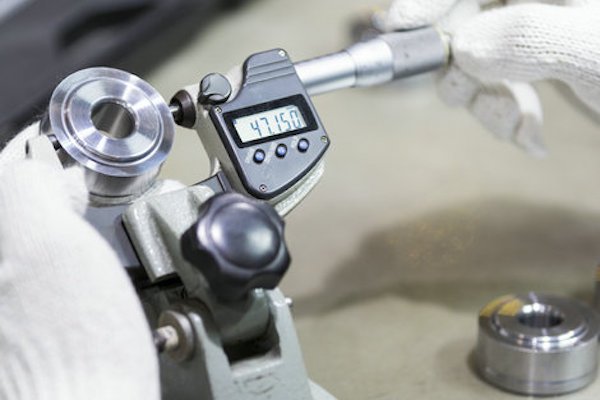
| Critical dimensions | Caliper, micrometer, CMM, gauges | Machined holes, datums, mounting faces and assembly interfaces |
| Thread quality | Thread plug gauge, ring gauge | Post-machined threaded holes and fittings |
| Leakage / pressure | Air, water or pressure test | Valve bodies, manifolds, housings and fluid components |
| Material and hardness | Material certificate, hardness tester | Load-bearing castings and heat-treated components |
| Surface finish | Visual standard, roughness tester | Cosmetic, sealing, coating and sliding surfaces |
Applications of Metal Casting
Metal casting is suitable for industrial, automotive, equipment, hydraulic, pneumatic, electrical and consumer-product components. It is most valuable when part geometry is complex and production quantity makes tooling or mold preparation worthwhile.
| Application area | Typical cast parts | Important requirement |
|---|---|---|
| Industrial equipment | Housings, brackets, covers, bases and machine components | Strength, flat mounting faces, corrosion protection and stable dimensions |
| Automotive and motor parts | Gearbox housings, motor covers, brackets and aluminum structural parts | Weight reduction, repeatability, sealing and machining accuracy |
| Fluid systems | Valve bodies, pump housings, manifolds and fittings | Pressure integrity, leak testing, clean threads and machined sealing faces |
| Hardware and consumer products | Handles, knobs, brackets, covers and decorative parts | Surface finish, appearance, plating and repeatable assembly |
| Electrical and lighting | Heat sink housings, enclosures, covers and connector bodies | Thermal performance, coating, grounding and dimensional control |
How to Get an Accurate Metal Casting Quote
For an accurate quote, send a STEP model, 2D drawing, material requirement, expected quantity, surface finish, critical dimensions and whether CNC post-machining is required. For existing cast parts, photos, samples and defect history can also help the engineering review.
CAD and drawing
Send STEP files and PDF drawings with tolerance, material, finish and revision information.
Quantity and process
Share prototype quantity, annual demand and preferred process if known.
Machining areas
Mark final machined holes, threads, faces, datums, sealing surfaces and fits.
Inspection needs
Define visual standards, CMM checks, leakage test, material certificate or coating requirements.
Start Your Metal Casting Project
Send your CAD model, drawing, material, quantity, casting process and finishing requirements. Milemetal can review casting feasibility, CNC machining areas and inspection needs.