
CNC Machining Services in China for Precision Metal and Plastic Parts
Milemetal provides custom CNC machining services for prototypes, low-volume production and repeat manufacturing. We support CNC milling, CNC turning, multi-axis machining, drilling, tapping, threading, finishing and inspection for aluminum, stainless steel, steel, brass, copper, titanium and engineering plastics.
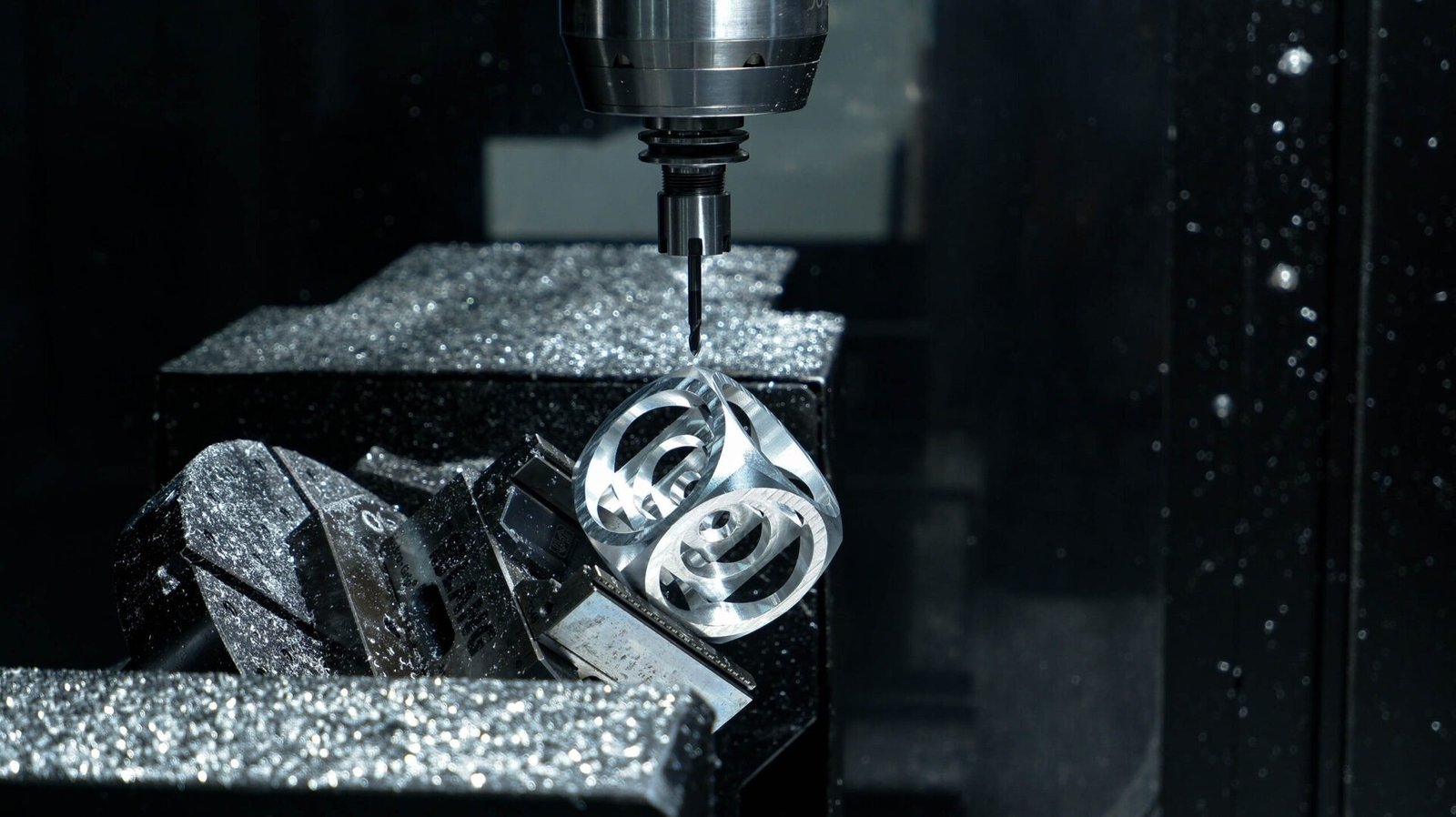
Custom CNC Machining Capabilities
CNC machining is a subtractive manufacturing process that removes material from solid stock to create accurate parts. It is suitable for functional prototypes, fixtures, housings, shafts, bushings, manifolds, brackets, connectors, optical components, medical parts, automotive components and industrial hardware.
Compared with casting or molding, CNC machining has lower tooling cost, faster development speed and better material flexibility. Compared with 3D printing, CNC machining usually offers better surface finish, tighter tolerances, stronger material properties and more reliable threaded and sealing features.
For pockets, plates, housings, slots, holes, flat surfaces, complex profiles and multi-side machined parts.
For shafts, pins, bushings, rings, spacers, nozzles, threaded parts and cylindrical precision components.
For angled features, complex contours, fewer setups and better relationship control between surfaces.
Drilling, tapping, reaming, boring, knurling, deburring, polishing, grinding and assembly support.
Anodizing, plating, passivation, bead blasting, brushing, polishing, heat treatment and laser marking.
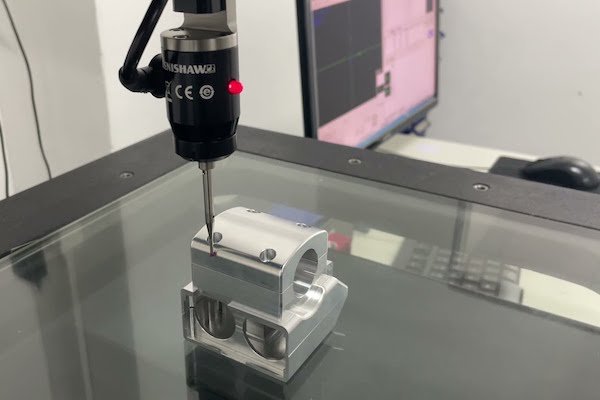
Dimensional checks, thread gauges, surface finish review, CMM inspection and first article reports when needed.
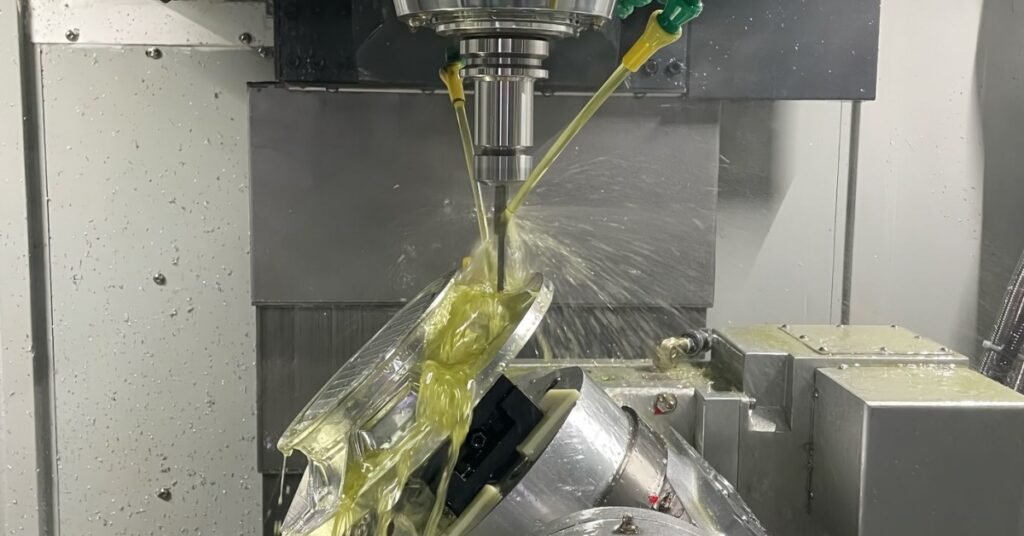
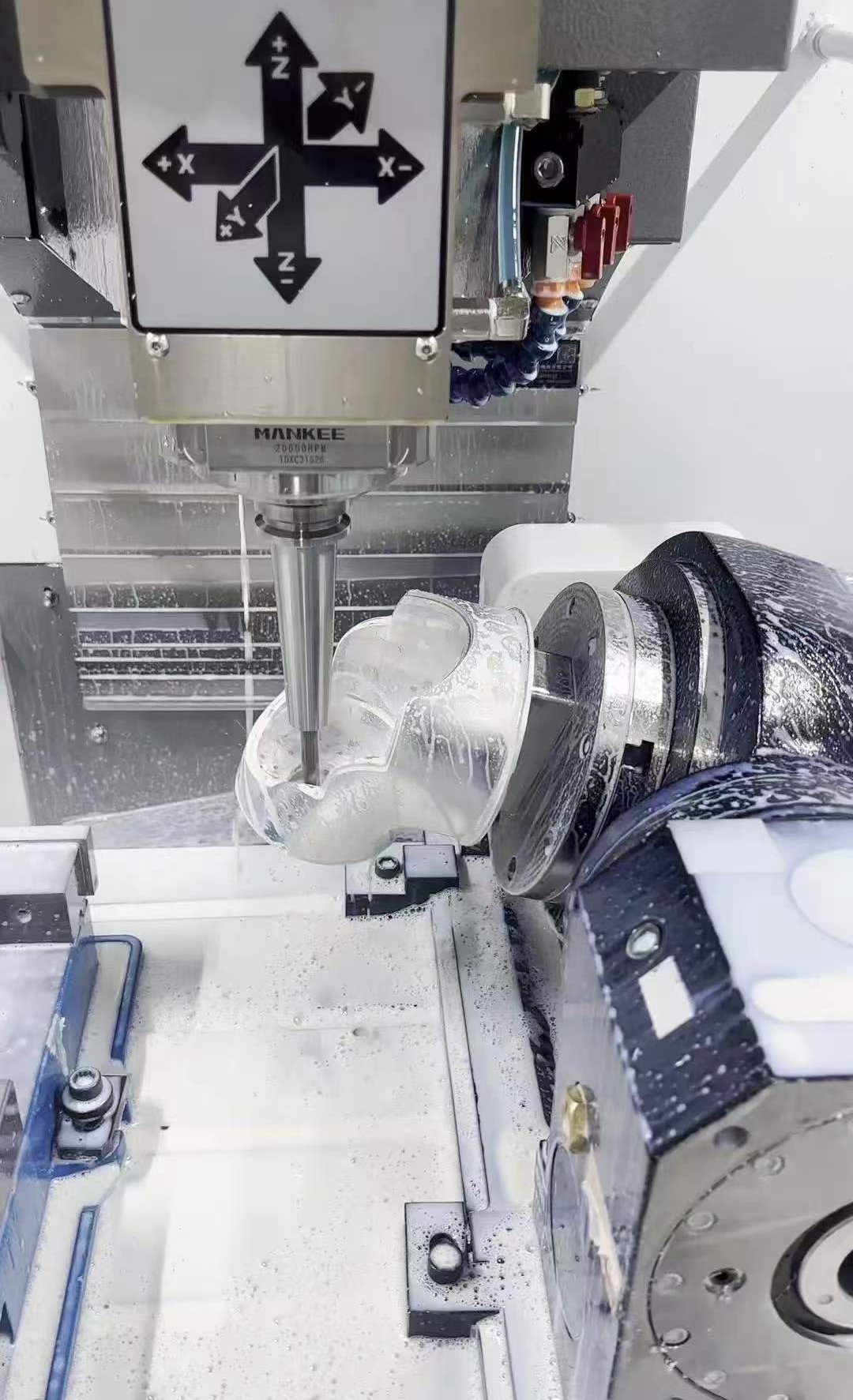
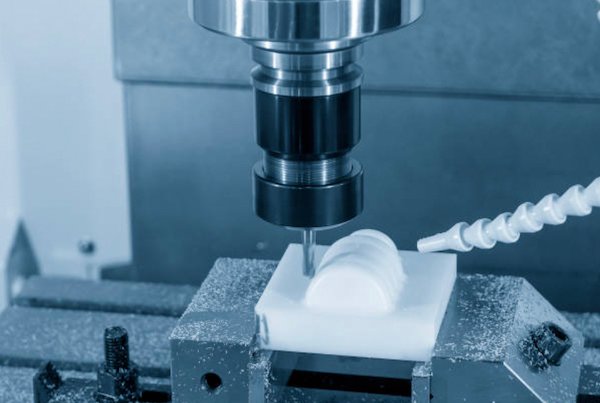
CNC Machined Parts Gallery
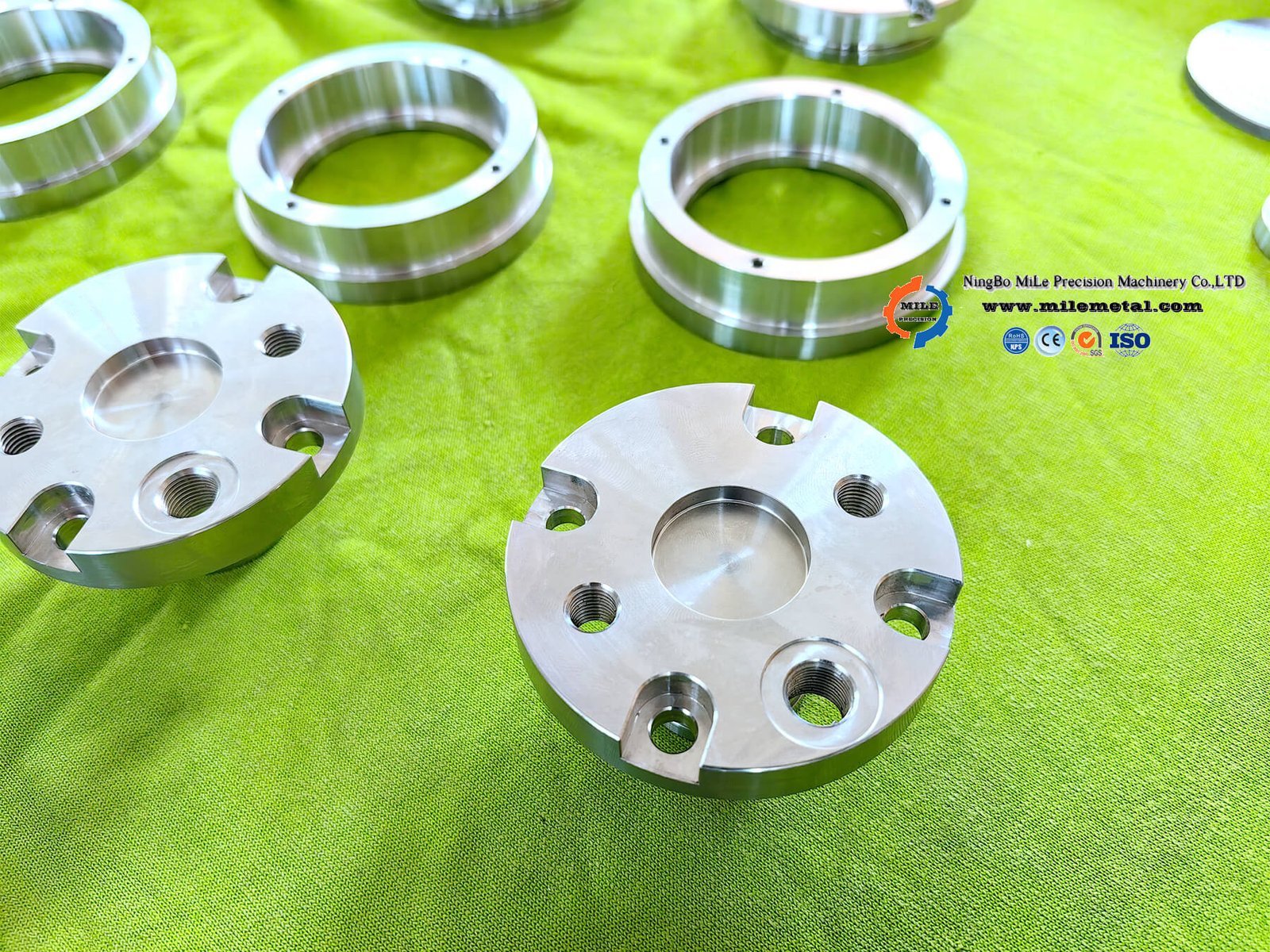
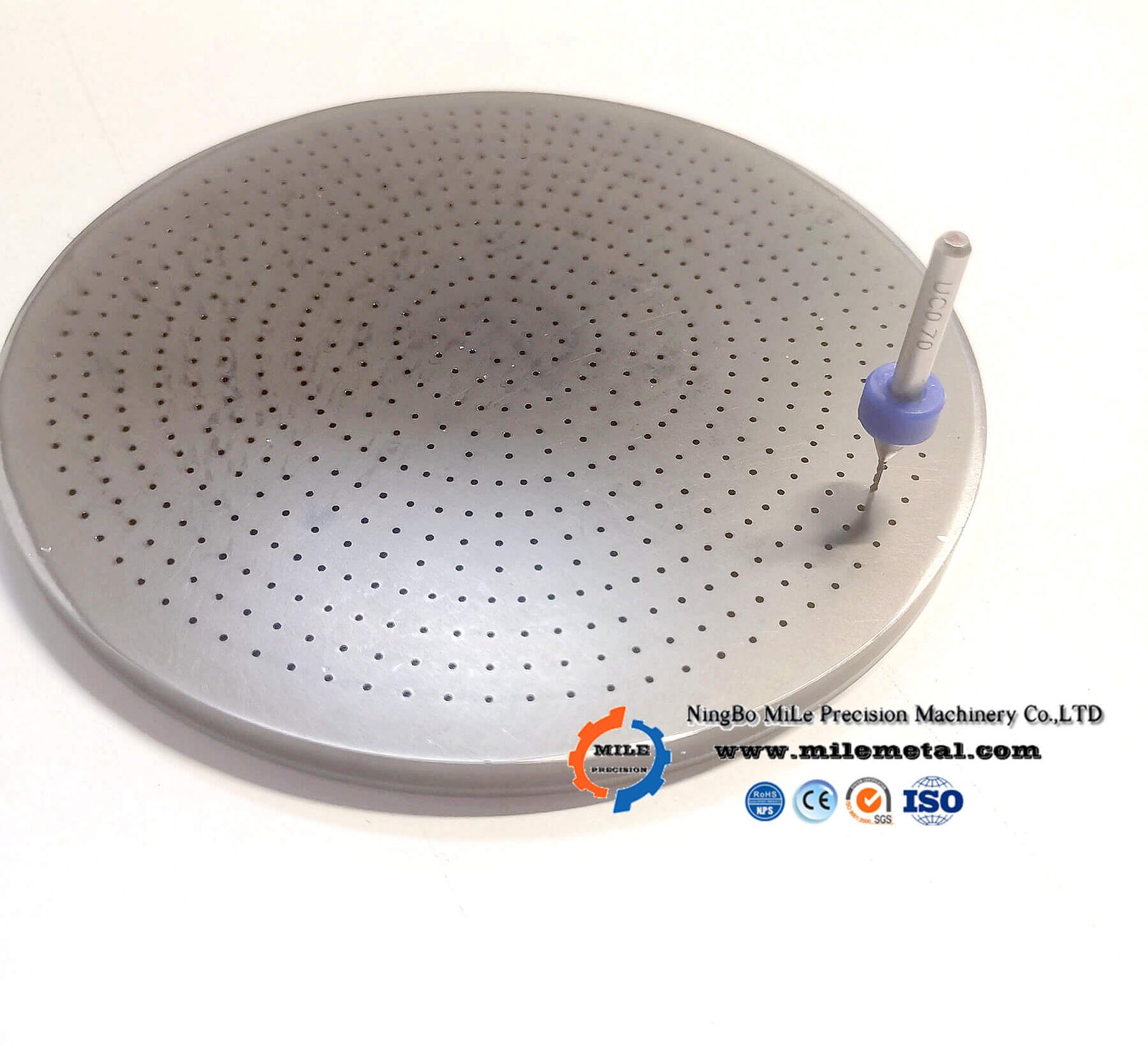
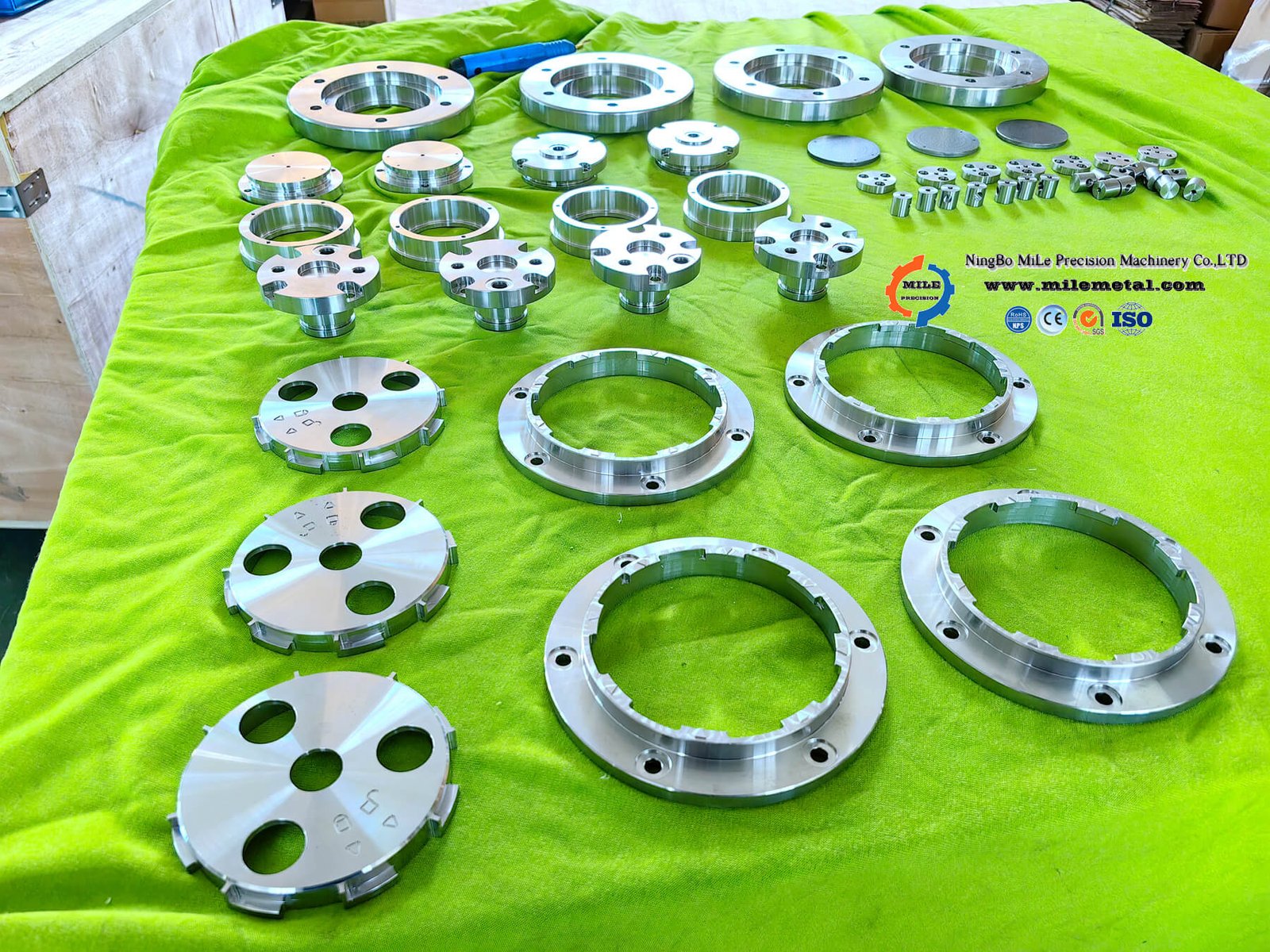
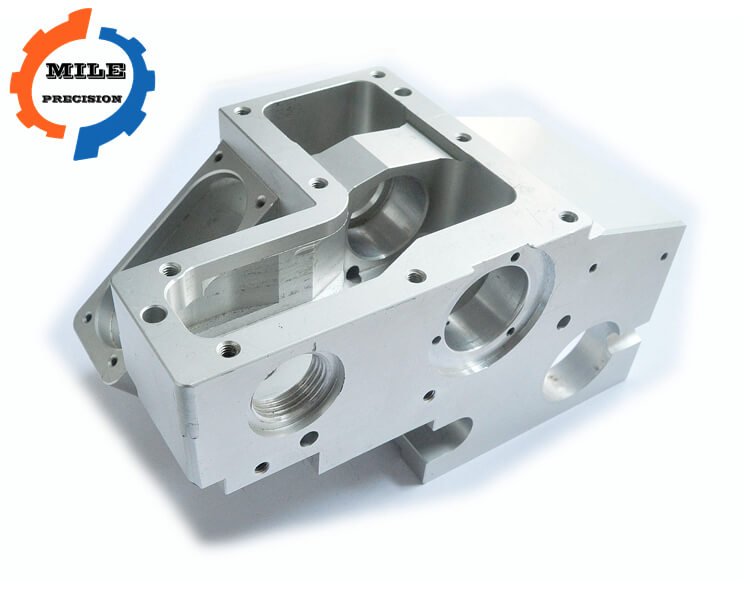
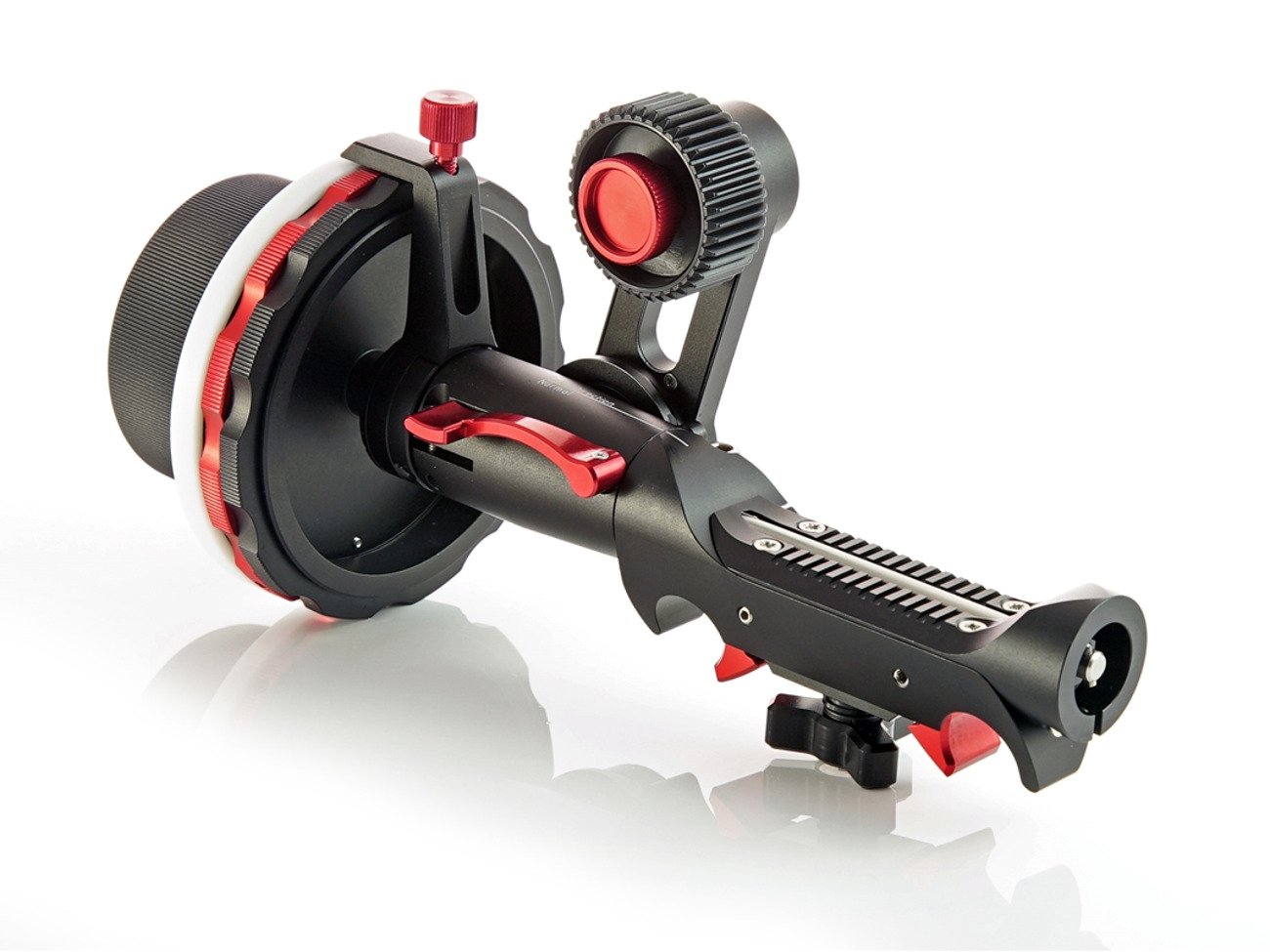
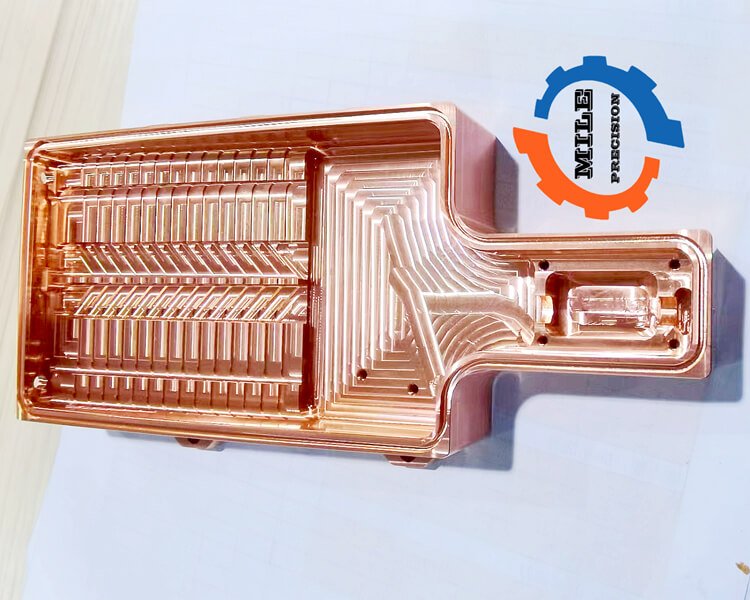
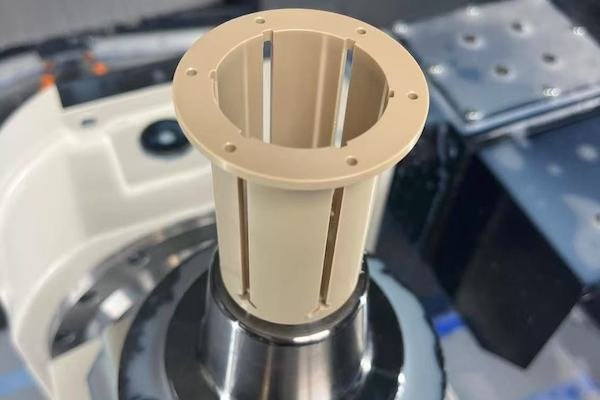
Typical CNC machining projects include small precision turned parts, milled housings, manifolds, brackets, optical hardware, sealing components, prototypes and production parts. The parts below show the kind of geometry, material variety and finish requirements that should be reviewed before machining starts.

CNC Machining Process Flow
CAD and drawing review
Review STEP files, 2D drawings, material, tolerance, finish, quantity and application requirements.
DFM and quotation
Check tool access, wall thickness, hole depth, tolerance risk, surface finish and production cost.
CAM and machining
Create toolpaths, select tools, set fixtures, machine roughing and finishing operations.
Inspection and finishing
Deburr, inspect critical dimensions, apply finishing and pack parts for shipment.
Workshop and Production Control
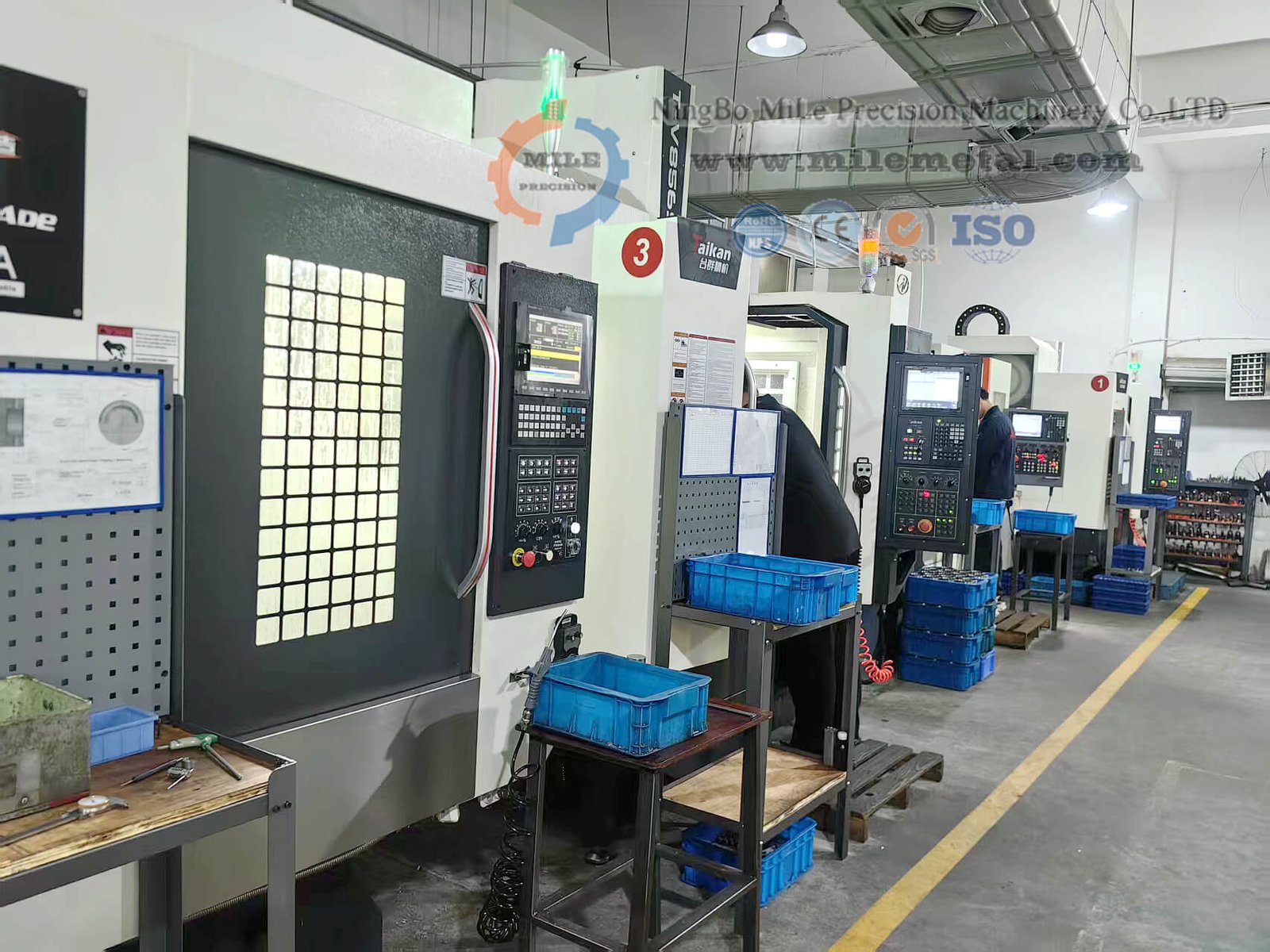
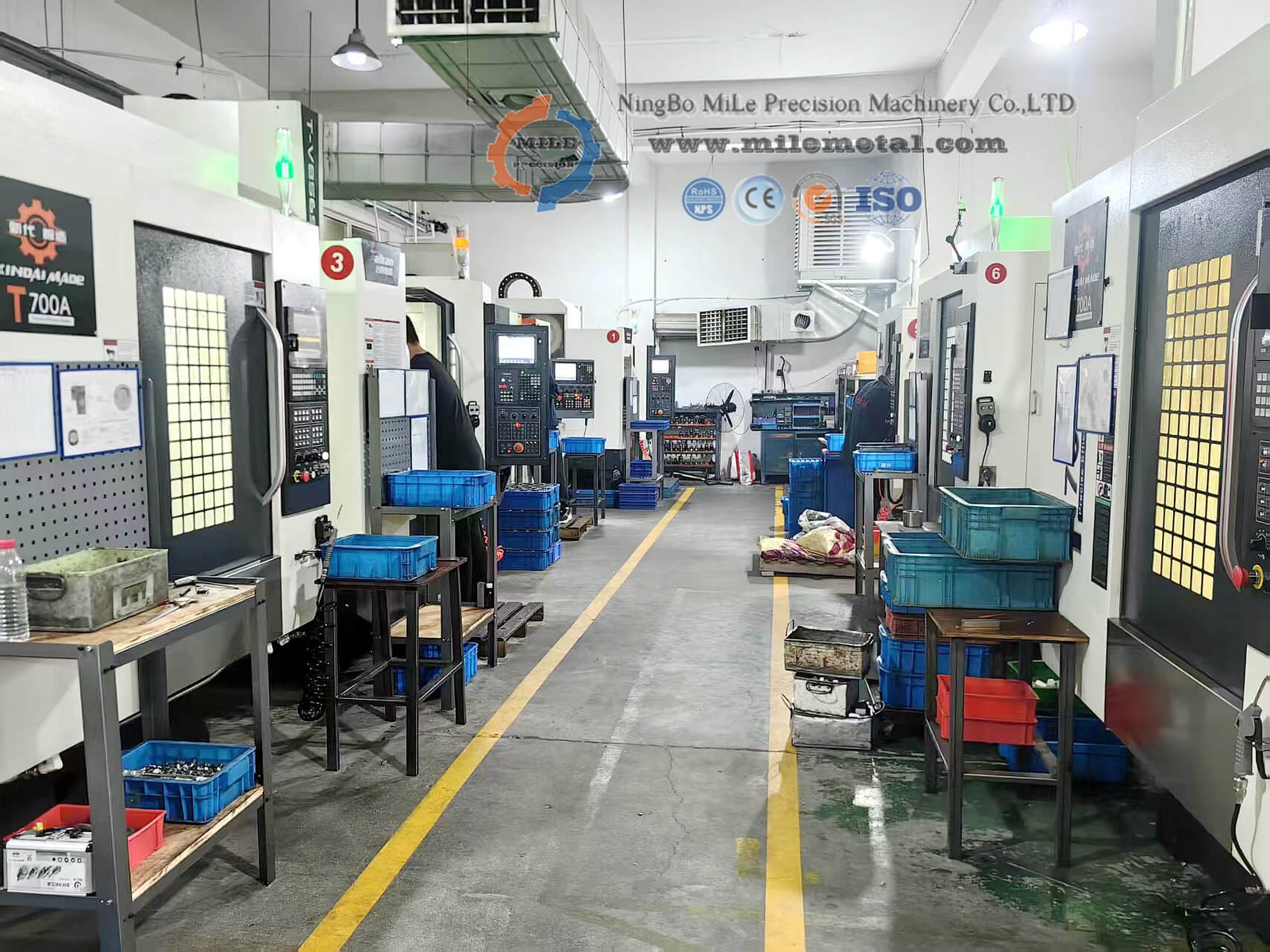
A reliable CNC machining supplier needs more than machines. Production control includes drawing review, material preparation, tool selection, fixture planning, first-piece approval, in-process inspection, deburring, finishing coordination and final packing. These steps are especially important for overseas projects because small drawing questions can become costly if they are not resolved before cutting metal.
We check CAD files, drawings, tolerance stack-up, material callouts, threads, surface finish and special process notes before quoting and production.
Good fixturing controls part movement, datum repeatability, thin-wall distortion and relationship accuracy between multiple machined faces.
Cutters, drills, boring tools, taps and inserts are selected based on material, feature depth, corner radius, finish and batch quantity.
Critical dimensions are checked after the first setup so problems can be corrected before running the full batch.
Anodizing, plating, passivation, polishing and heat treatment are planned with coating thickness and final tolerance in mind.
Finished parts are cleaned, protected, packed and labeled to reduce scratches, corrosion and confusion during shipping.
CNC Machining Capability Table
| Capability | Typical range | Best for | Design note |
|---|---|---|---|
| 3-axis CNC milling | Simple to complex prismatic parts, plates and housings | Brackets, fixtures, blocks, covers, pockets and flat surfaces | Minimize unnecessary deep pockets and long tool reach |
| 4-axis CNC machining | Features around cylindrical or multi-side parts | Side holes, rotary parts, connectors and complex angled features | Check rotary clearance and fixture access |
| 5-axis CNC machining | Complex geometry with fewer setups | Impellers, medical parts, aerospace-style brackets and precision housings | Best value when multiple setups or angled surfaces are required |
| CNC turning | Round parts, shafts, bushings and threaded components | Pins, sleeves, spacers, nozzles, rings and fittings | Long slender parts may need center support or steady rest control |
| Swiss-type turning | Small diameter precision turned parts | Pins, inserts, connectors, miniature shafts and medical-style components | Best for long, small and repeatable turned features |
| Post-processing | Deburring, polishing, anodizing, plating, passivation, heat treatment and marking | Functional, cosmetic and corrosion-resistant CNC parts | Account for coating thickness and finishing sequence in the drawing |
Detailed CNC Process Options
Different CNC processes are selected based on shape, tolerance, surface finish and production volume. A good process plan reduces unnecessary setups, improves repeatability and keeps the final cost realistic.
| Process | Typical features | Useful parameters | Common parts | Design advice |
|---|---|---|---|---|
| Face milling | Flat surfaces, steps, datum faces and plates | Ra 3.2 to Ra 1.6 is common; finer finish may need extra passes | Mounting plates, brackets, covers, fixtures | Use clear datum references and avoid over-specifying cosmetic flat faces |
| Pocket milling | Pockets, slots, lightening cuts and internal cavities | Depth-to-tool-diameter ratio above 4:1 increases chatter risk | Housings, electronic enclosures, valve blocks | Add internal corner radii and avoid deep sharp square corners |
| Contour milling | Outer profiles, curved surfaces and complex edges | Tool diameter affects minimum inside radius and finish | Custom brackets, optical parts, medical fixtures | Specify only functional profile tolerance where needed |
| Boring / reaming | Accurate holes, bearing seats and dowel locations | +/-0.01 to +/-0.03 mm possible on selected holes | Bushings, housings, precision plates | Define H7 or fit tolerance when hole function is critical |
| CNC turning | Diameters, grooves, tapers, threads and bores | Runout and concentricity depend on setup and part length | Shafts, pins, sleeves, rings, nozzles | Long slender parts need support and realistic straightness requirements |
| Thread machining | Internal threads, external threads and special thread forms | Metric, UNC, UNF, BSP, NPT and custom forms possible | Fittings, inserts, manifolds, adjustment screws | State thread depth, class, gauge requirement and coating allowance |
| Deburring | Edge break, burr removal and safe handling | Typical edge break 0.1-0.3 mm unless otherwise specified | Almost all machined parts | Call out sharp edges only where function requires them |
CNC Machining Materials
Material choice affects strength, weight, corrosion resistance, machinability, tolerance stability, surface finish, delivery time and cost. A good CNC machining drawing should specify not only material family, but also grade and condition when the part has functional requirements.
| Material family | Common grades | Advantages | Typical applications |
|---|---|---|---|
| Aluminum | 6061, 6082, 7075, 5052 | Lightweight, fast machining, good anodizing options | Housings, brackets, plates, fixtures and lightweight components |
| Stainless steel | 303, 304, 316, 316L, 17-4 PH | Corrosion resistance, strength and clean appearance | Medical parts, food equipment, fluid parts, marine and industrial hardware |
| Carbon / alloy steel | 1018, 1045, 4140, 42CrMo4, tool steel | High strength, heat treatability and wear resistance | Shafts, gears, tooling, fixtures, wear blocks and mechanical parts |
| Brass / bronze | C360, C260, bearing bronze | Good machinability, wear resistance and conductivity | Bushings, fittings, gears, connectors and decorative parts |
| Copper | C101, C110, tellurium copper | Excellent electrical and thermal conductivity | Conductive parts, heat transfer parts, busbars and electrodes |
| Engineering plastics | POM, nylon, PTFE, PEEK, ABS, PMMA, PC | Low weight, insulation, chemical resistance and low friction options | Insulators, prototypes, wear pads, transparent parts and special fixtures |
Parts and Industry Applications
CNC machining is useful when the part must be made from real engineering material, hold accurate dimensions and work in a functional assembly. It is widely used for industrial equipment, automation, fluid control, optics, medical devices, electronics, automotive systems, robotics, hardware and product development.
| Application area | Typical CNC parts | Important requirements | Recommended focus |
|---|---|---|---|
| Automation and machinery | Brackets, shafts, fixtures, blocks, rollers and connectors | Fit, rigidity, repeatability and wear resistance | Define datums, hole positions and surface treatment clearly |
| Fluid and pneumatic systems | Manifolds, nozzles, valve bodies, fittings and ports | Leak tightness, thread quality, burr-free holes and corrosion resistance | Specify port standards, sealing surfaces and cleaning requirements |
| Optical and electronic products | Housings, mounts, heat sinks, lens holders and precision frames | Cosmetic finish, flatness, anodizing and assembly accuracy | Control visible surfaces and coating color expectations |
| Medical and laboratory equipment | Stainless parts, plastic fixtures, instrument parts and small precision hardware | Material traceability, clean surfaces and tight functional tolerances | Confirm stainless grade, passivation and inspection documents |
| Prototype development | Functional samples, test fixtures and design verification parts | Fast lead time, real material behavior and design flexibility | Use manufacturable tolerances and revise quickly after testing |
CNC Machining Tolerances and Design Parameters
General CNC machining tolerance depends on material, geometry, feature size, machine setup, tool access and inspection method. Tight tolerance should be applied only to functional dimensions because unnecessary precision increases machining time and cost.
| Feature / requirement | Practical guideline | Cost impact | Recommendation |
|---|---|---|---|
| General machined dimensions | +/-0.10 mm is common for many non-critical CNC dimensions | Low to medium | Use general tolerance for non-functional features |
| Precision holes / bores | +/-0.01 to +/-0.03 mm possible for selected features | High | Define fit standard, inspection method and depth |
| Threads | Metric, UNC/UNF, NPT or custom thread callout required | Medium | Specify thread depth, tolerance class and whether insert is needed |
| Thin walls | Risk increases below 0.8-1.0 mm depending material and geometry | Medium to high | Use thicker walls for stiffness and stable machining |
| Deep pockets | Depth greater than 4x tool diameter raises tool reach and chatter risk | High | Add corner radii, reduce depth or split part if needed |
| Surface finish | Ra 3.2, Ra 1.6 or Ra 0.8 are common engineering targets | Medium to high | Apply fine finish only to sealing, sliding or visible surfaces |
Surface Finishing Options for CNC Parts
Surface finishing improves appearance, corrosion resistance, wear resistance, conductivity or cleaning performance. It should be selected early because finishing can change dimensions, mask defects, create color variation or require extra handling.
| Finish | Common materials | Purpose | Design consideration |
|---|---|---|---|
| Anodizing | Aluminum 6061, 6082, 7075 | Corrosion resistance, color, wear improvement and appearance | Account for coating thickness and color variation between alloys |
| Hard anodizing | Aluminum functional parts | Higher wear resistance and thicker oxide layer | Mask threads, bores or electrical contact surfaces if needed |
| Passivation | Stainless steel 304, 316, 17-4 PH | Improve corrosion resistance by removing free iron contamination | Use after machining and cleaning for corrosion-sensitive parts |
| Electroless nickel plating | Steel, aluminum, copper alloys | Uniform corrosion and wear protection | Good for complex geometry, but thickness affects fits |
| Polishing / brushing | Stainless, aluminum, brass and copper | Cosmetic surface improvement and lower roughness | Define visible surfaces and acceptable direction marks |
| Heat treatment | Carbon steel, alloy steel, tool steel, 17-4 PH | Strength, hardness and wear resistance | Plan rough machining, heat treatment and finish grinding sequence |
Prototype, Low-Volume and Production CNC Machining
CNC machining can support different stages of a product. A prototype may prioritize speed and design feedback, while a production batch needs repeatability, fixture stability, cost control and consistent finishing. The manufacturing plan should change as quantity increases.
| Project stage | Typical quantity | Main goal | Recommended approach |
|---|---|---|---|
| Prototype | 1-10 pcs | Validate fit, function, material and assembly | Use flexible setups, practical tolerances and fast feedback |
| Engineering sample | 10-50 pcs | Confirm process stability and customer approval | Inspect critical features and refine DFM before larger orders |
| Low-volume production | 50-500 pcs | Balance cost, consistency and delivery | Use dedicated fixtures, stable tooling and batch inspection |
| Repeat production | 500+ pcs or recurring orders | Reduce unit cost and maintain long-term quality | Standardize fixtures, inspection records, packaging and revision control |
Material Machinability and Cost Chart
The chart below gives a practical view of relative CNC machining ease. Actual cost still depends on part shape, tolerance, quantity, finishing and inspection requirements.
Quality Control for CNC Machined Parts
Good CNC machining service is not only about cutting metal. Inspection planning starts with the drawing and continues through first-piece inspection, in-process checks, deburring review, final inspection and packaging. For tight-tolerance projects, inspection method should be agreed before production.
| Inspection item | Common method | When to use |
|---|---|---|
| Linear dimensions | Caliper, micrometer, height gauge, CMM | General machined features and critical lengths |
| Hole size and fit | Pin gauge, bore gauge, CMM, plug gauge | Bearing seats, dowel holes, press fits and shaft-hole interfaces |
| Threads | Thread gauge, ring gauge, plug gauge | Functional threaded holes and external threads |
| Position and geometry | CMM, optical inspection, fixture checks | Datum-related holes, true position, flatness and runout |
| Surface finish | Roughness tester, visual inspection | Sealing, sliding, cosmetic and coating-preparation surfaces |
How to Choose a CNC Machining Supplier in China
When comparing CNC machining suppliers, price should not be the only factor. A reliable supplier should understand drawings, ask engineering questions before production, explain tolerance risks, control surface finishing and provide inspection support. This reduces hidden cost and helps international buyers receive usable parts the first time.
| Evaluation point | What to check | Why it matters |
|---|---|---|
| Drawing understanding | Can the supplier read tolerances, GD&T, finish notes and material conditions? | Prevents incorrect quotation and manufacturing assumptions |
| Process capability | Does the supplier support milling, turning, drilling, tapping, finishing and inspection? | Reduces outsourcing gaps and production delays |
| Material experience | Has the supplier machined stainless steel, aluminum, brass, copper, titanium and plastics? | Material behavior affects tool choice, deformation and final finish |
| Quality control | Are calipers, micrometers, gauges, height tools and CMM available? | Critical dimensions must be measurable, not only machinable |
| Communication | Does the supplier confirm unclear tolerances, threads, finishes and delivery details? | Good communication lowers risk for overseas manufacturing |
| Packaging and shipping | Are parts protected against scratches, moisture, mix-ups and impact? | Good parts can still fail if they arrive damaged or mislabeled |
How to Get an Accurate CNC Machining Quote
For the fastest and most accurate quote, send a complete file package. A STEP model is best for geometry, while a PDF drawing should define tolerance, material, finish and inspection requirements. Include quantity because setup cost, material purchasing and finishing price all change with batch size.
3D CAD file
STEP, Parasolid or native CAD file for accurate geometry and CAM review.
2D drawing
PDF drawing with tolerances, threads, surface finish, material and revision.
Quantity and schedule
Prototype, small batch, repeat production and target delivery date.
Finish and inspection
Anodizing, plating, passivation, heat treatment, CMM report or special packaging.
Start Your CNC Machining Project
Send your CAD files, drawings, material, quantity and finish requirements. Milemetal can review manufacturability and provide a practical CNC machining quotation.