
Stiffness of Metal Material Chart: Youngs Modulus and CNC Material Selection
2026-06-08
Aluminum Grades Types and CNC Machining Guide for Precision Parts
2026-06-08Stainless Steel Grades, Types and Machining Guide for Precision CNC Parts
Stainless steel is strong, corrosion resistant and widely used, but each grade machines differently. This guide explains stainless steel categories, common grades, machining challenges and practical CNC tips for 304, 316, 316L, 410, 430 and 17-4PH stainless steel parts.
What Is Stainless Steel?
Stainless steel is an iron-based alloy that contains enough chromium to form a thin protective oxide layer on the surface. This passive layer helps the material resist rust and corrosion. Nickel, molybdenum, carbon, manganese, sulfur and other elements are added to create different grades for strength, machinability, heat resistance, corrosion resistance or hardenability.
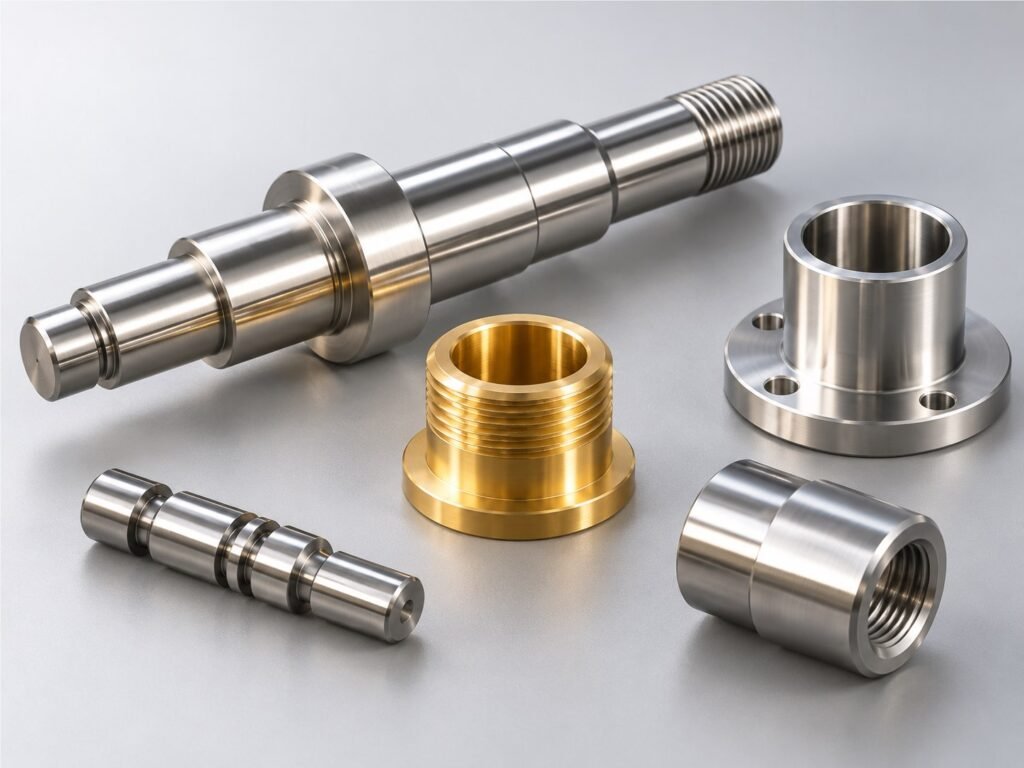
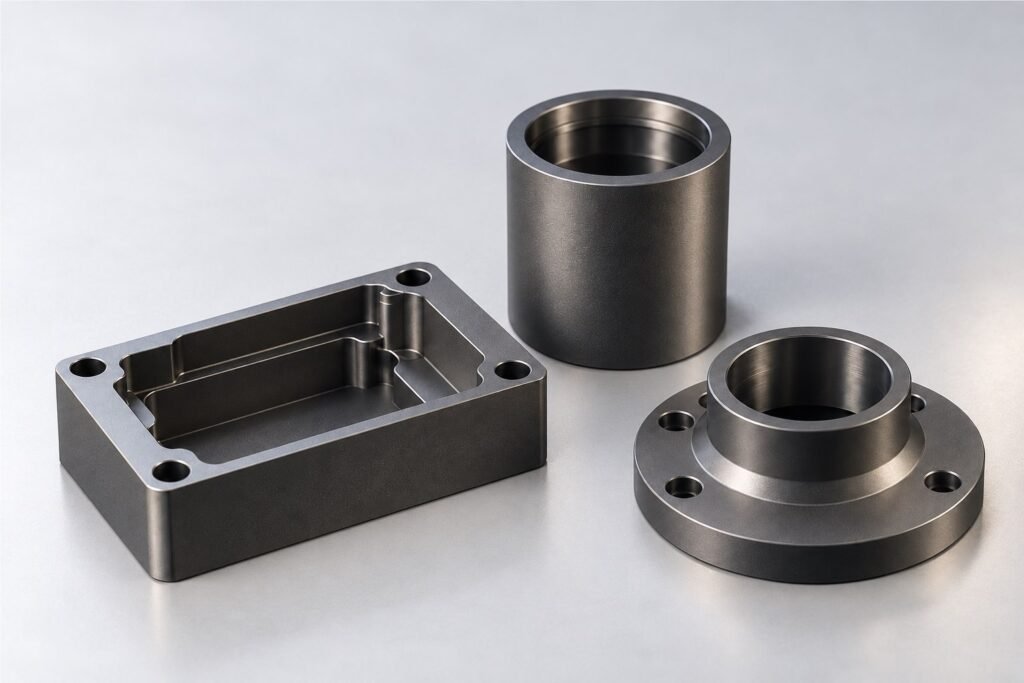
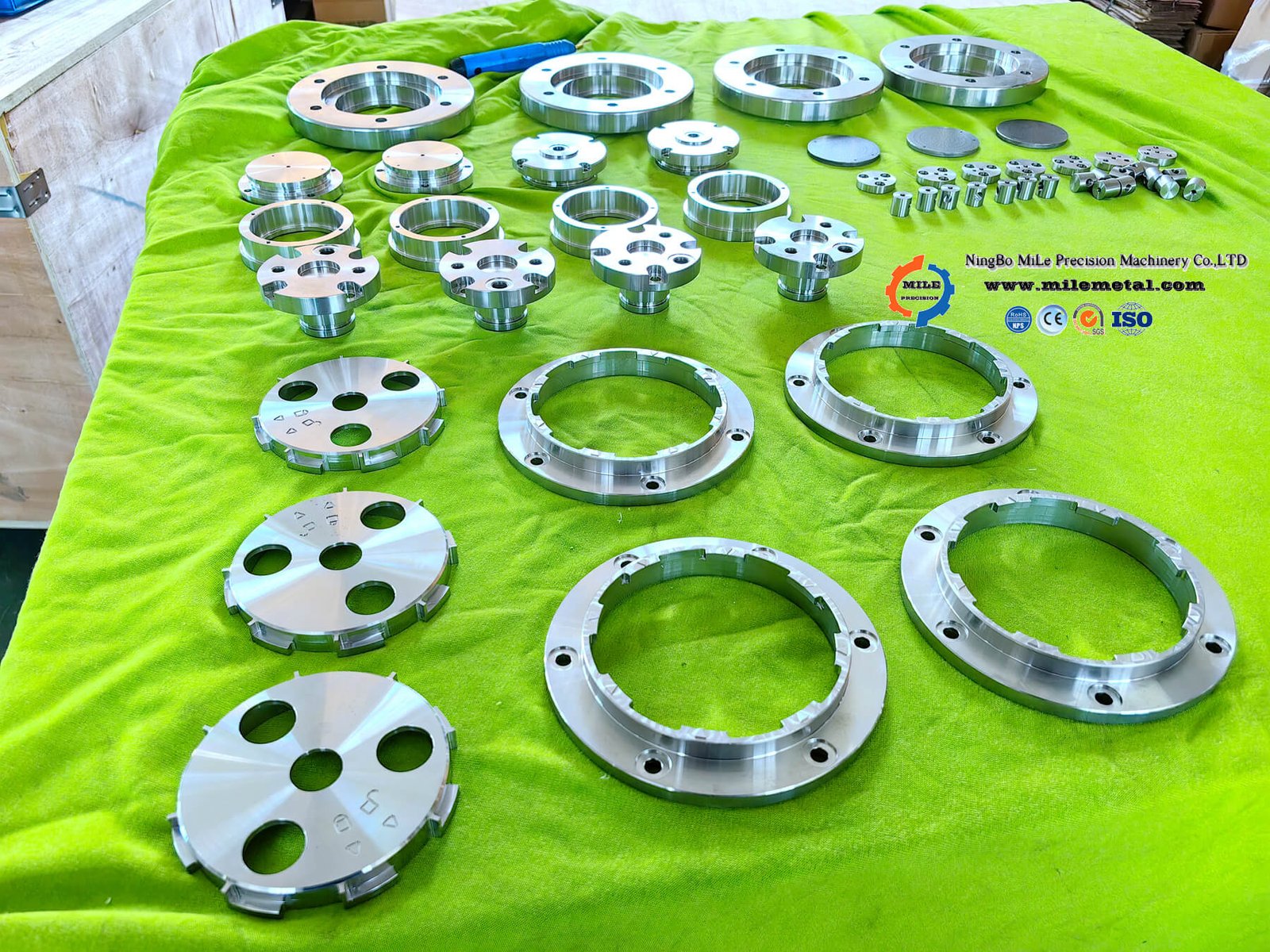
For CNC machining, stainless steel is valued because it can produce durable precision parts for food equipment, medical devices, fluid systems, marine hardware, aerospace components, automation equipment and industrial machinery. The challenge is that stainless steel can work-harden, generate heat, wear tools and produce stringy chips if the process is not controlled.
Chromium creates the passive layer that protects stainless steel in many environments.
Many grades combine good tensile strength, toughness and fatigue resistance.
Tooling, coolant, chip evacuation and stable cutting are essential for repeatable results.
Main Types of Stainless Steel
Stainless steel grades are usually grouped by microstructure. This classification helps engineers predict corrosion resistance, magnetism, heat treatment response and machinability.
| Type | Common grades | Key characteristics | Machinability notes | Typical uses |
|---|---|---|---|---|
| Austenitic | 304, 304L, 316, 316L, 321 | Excellent corrosion resistance, non-magnetic in annealed condition, high toughness | Prone to work hardening; needs sharp tools, positive geometry and strong coolant | Food, medical, marine, fluid and general corrosion-resistant parts |
| Ferritic | 430, 409, 439 | Magnetic, good oxidation resistance, lower nickel content | Usually easier than 304/316 but less tough and less formable | Automotive, appliances, decorative and moderate corrosion environments |
| Martensitic | 410, 420, 440C | Heat treatable, magnetic, higher hardness potential | Machinability depends strongly on hardness condition | Shafts, valves, blades, wear-resistant parts and pump components |
| Precipitation hardening | 17-4PH / 630, 15-5PH | High strength, good corrosion resistance, heat treatable aging response | Machines well in solution-treated condition; aging improves strength after machining | Aerospace, fixtures, high-strength shafts and precision components |
| Duplex | 2205, 2507 | High strength with excellent chloride corrosion resistance | Higher cutting forces; rigid setup and tool selection are important | Marine, chemical processing, oil and gas and high-corrosion systems |
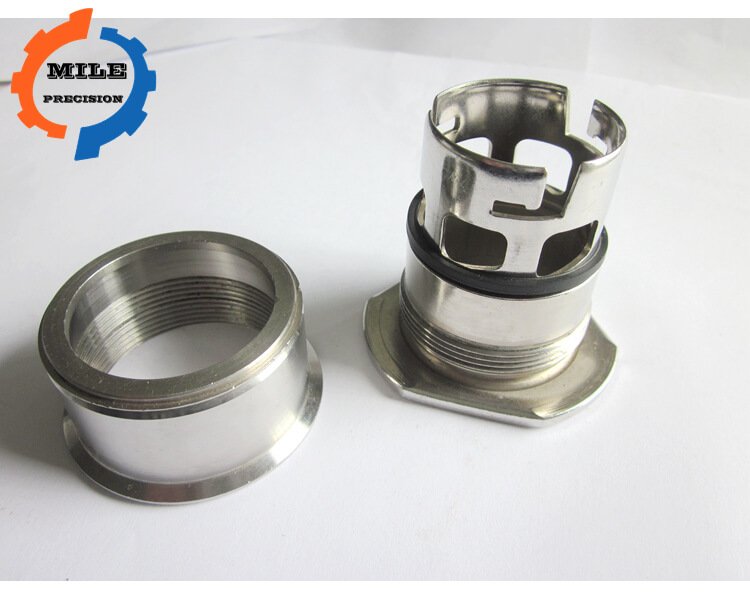
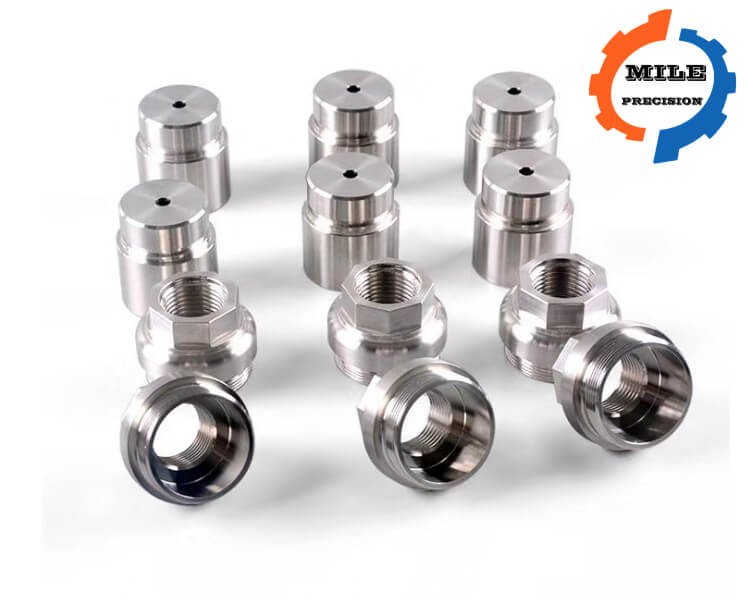
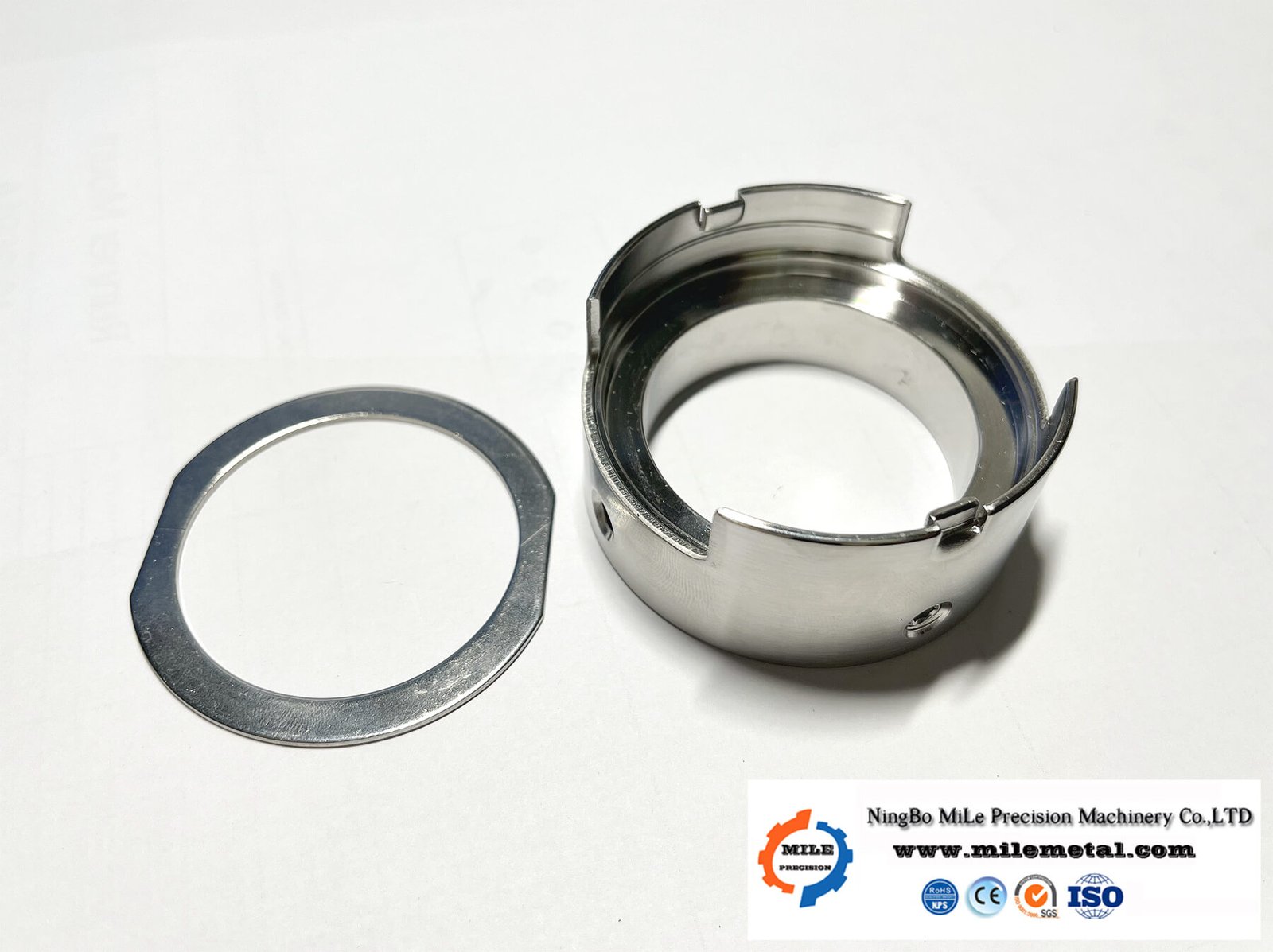
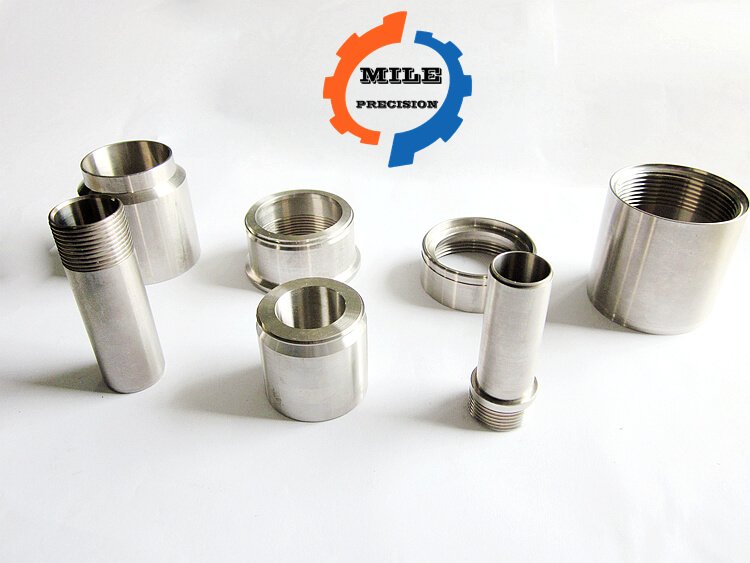
Common Stainless Steel Grades for CNC Machining
The best stainless steel grade depends on the service environment, strength requirement, heat treatment plan, surface finish and cost target. The table below summarizes practical grade selection for CNC machined parts.
| Grade | Type | Key benefits | Machining behavior | Best applications |
|---|---|---|---|---|
| 304 | Austenitic | Good corrosion resistance, widely available, good toughness | Work-hardens; needs sharp tooling and consistent feed | Food equipment, brackets, housings, general stainless hardware |
| 304L | Austenitic | Lower carbon for better weldability | Similar to 304; control heat and tool wear | Welded assemblies, tanks, food and chemical components |
| 316 | Austenitic | Molybdenum improves chloride and marine corrosion resistance | Tougher than 304; slower speeds and strong coolant are common | Marine, medical, fluid, chemical and outdoor components |
| 316L | Austenitic | Lower carbon version of 316 with good weldability | Common for precision corrosion-resistant turned and milled parts | Medical, instrumentation, fittings, manifolds and sealing components |
| 303 | Austenitic free-machining | Improved machinability from sulfur addition | Easier to machine than 304/316, but lower corrosion resistance | Screws, shafts, fittings and high-volume turned parts |
| 410 | Martensitic | Heat treatable, magnetic, moderate corrosion resistance | Condition matters; harder states increase tool wear | Shafts, valves, pump parts and wear-related components |
| 420 | Martensitic | Higher hardness potential than 410 | Often machined before final hardening where possible | Blades, molds, instruments and wear-resistant parts |
| 430 | Ferritic | Magnetic, economical, good oxidation resistance | Generally easier than austenitic stainless, but less tough | Appliance parts, panels, decorative components |
| 17-4PH / 630 | Precipitation hardening | High strength, good corrosion resistance, age hardenable | Often machined in solution condition, then aged for final properties | Aerospace, high-strength shafts, fixtures and structural precision parts |
| 2205 | Duplex | High strength and excellent chloride resistance | Higher cutting forces; rigid setup and tool selection are essential | Marine, oil and gas, chemical processing and high-load corrosion parts |
Why Stainless Steel Is Difficult to Machine
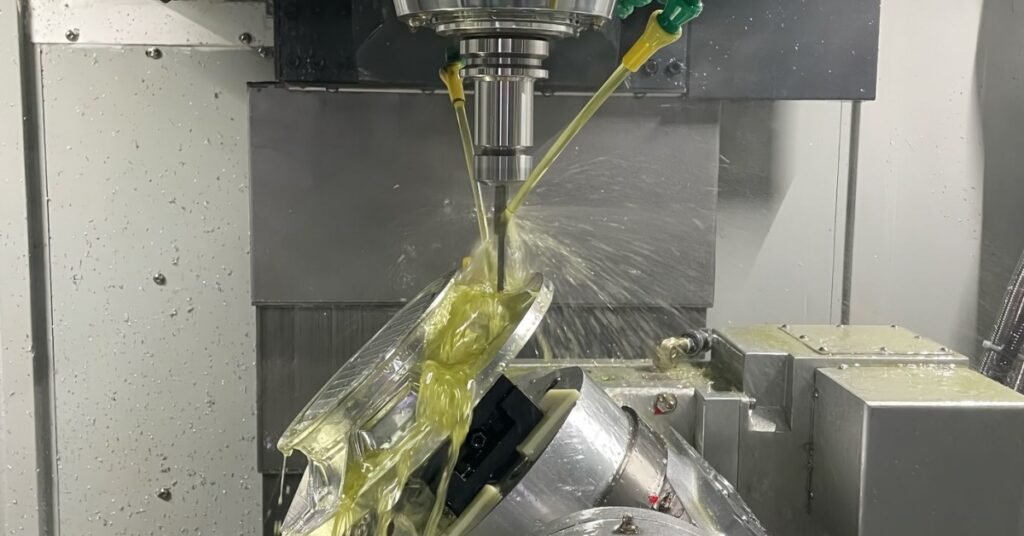
Stainless steel is not difficult because it is impossible to cut; it is difficult because the process window is less forgiving than aluminum or brass. Heat stays near the cutting edge, chips can be tough and stringy, and many grades harden when rubbed instead of cut. If the tool dwells, rubs or loses edge sharpness, the material can become harder at the surface and reduce tool life quickly.
Austenitic grades such as 304 and 316 can harden if the tool rubs instead of cutting.
Stainless steel often needs coolant, chip evacuation and conservative cutting parameters.
Edge strength, coating, insert grade and stable fixturing all affect tool life.
CNC Machining Tips for Stainless Steel
Use sharp tools
Sharp carbide tools reduce rubbing, heat and work-hardening risk.
Keep feed consistent
A steady feed helps the tool cut under the hardened surface layer instead of rubbing it.
Control heat
Use suitable coolant, air blast or high-pressure chip evacuation where the operation requires it.
Plan deburring
Stainless burrs can be tough, so edges, threads and micro holes need a finishing strategy.
| Operation | Common issue | Practical solution | Quality focus |
|---|---|---|---|
| Turning | Stringy chips and tool wear | Use chipbreaker inserts, rigid setup and proper coolant | Diameter control, surface finish, concentricity |
| Milling | Heat and work hardening | Avoid dwelling, use sharp end mills and stable toolpaths | Flatness, burrs, pocket finish |
| Drilling | Chip packing and hardened hole surface | Peck strategy, coolant-through tools or proper chip evacuation | Hole size, roundness, burrs |
| Threading | Galling, broken taps and rough threads | Use suitable tap geometry, lubrication and thread milling where appropriate | Thread fit, burr removal, gauge inspection |
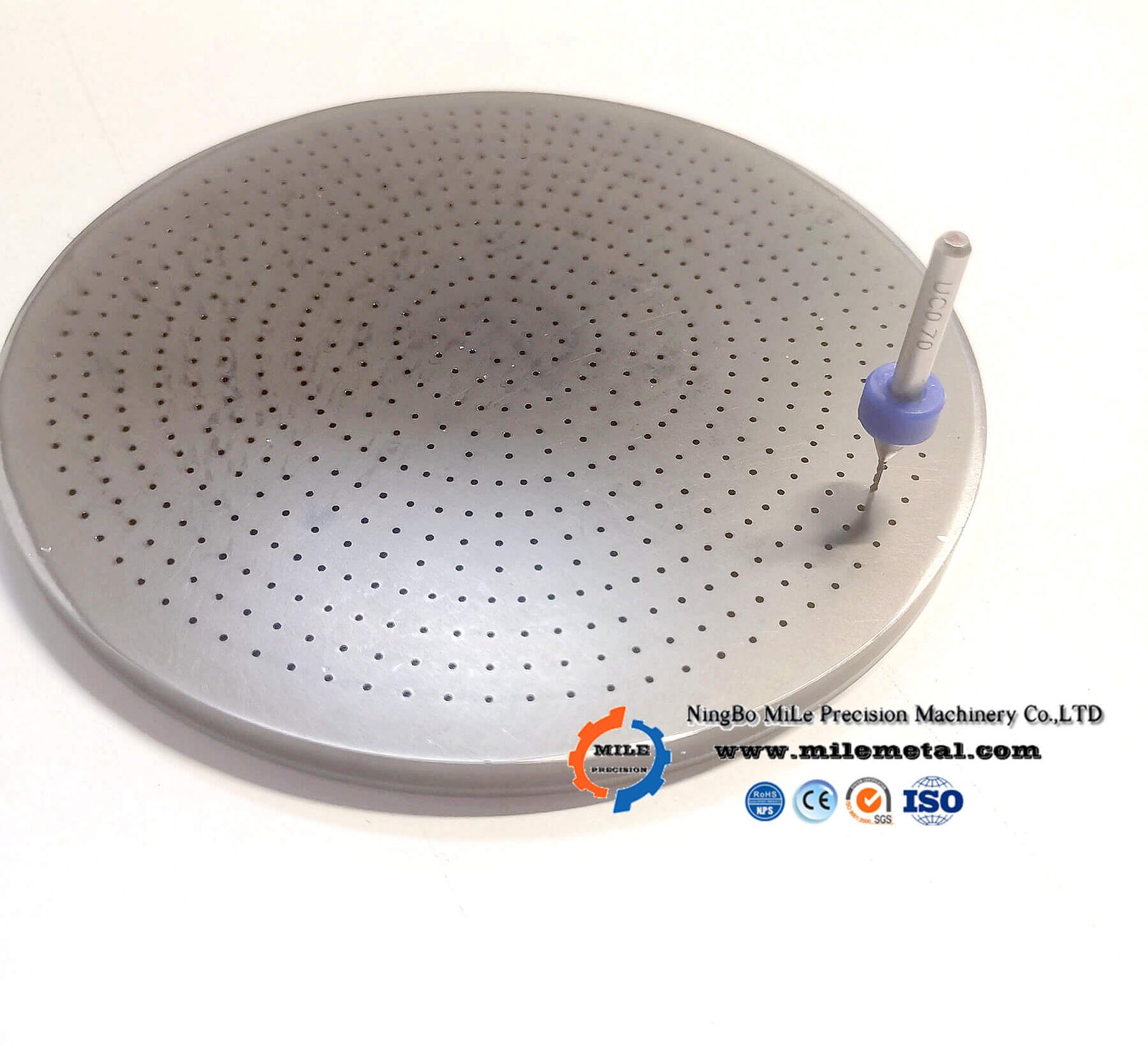
| Micro machining | Tool runout and heat | Control spindle runout, tool length, feed and coolant strategy | Micro hole accuracy, edge quality, repeatability |
Applications of CNC Machined Stainless Steel Parts
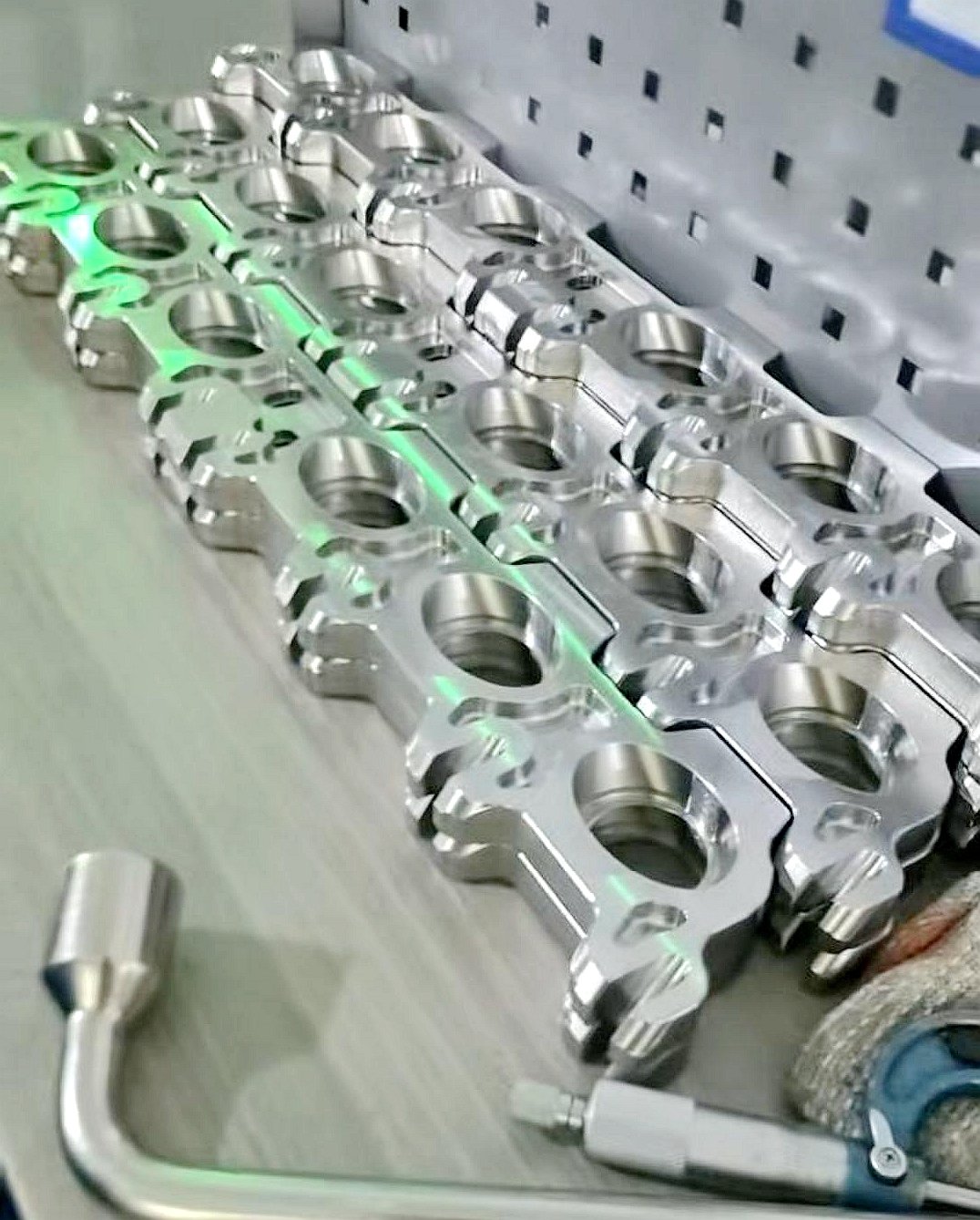
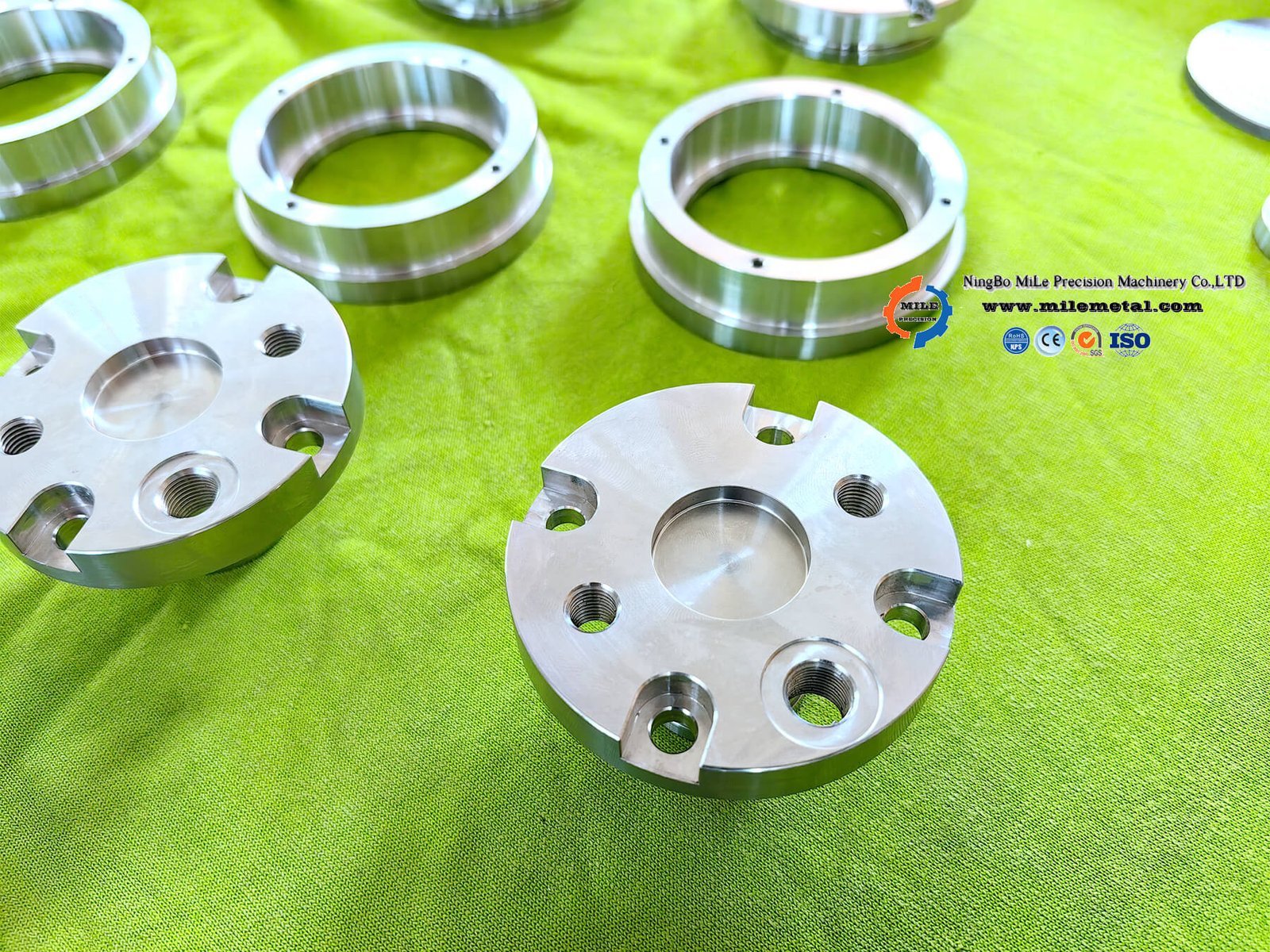
316L, 17-4PH and other grades for corrosion-resistant, cleanable precision components.
304 and 316 parts for sanitary fittings, valves, nozzles and processing equipment.
316 and duplex stainless where chloride corrosion resistance is important.
Manifolds, fittings, nozzle parts, sealing parts and threaded connectors.
17-4PH and stainless precision hardware for strength, stability and corrosion resistance.
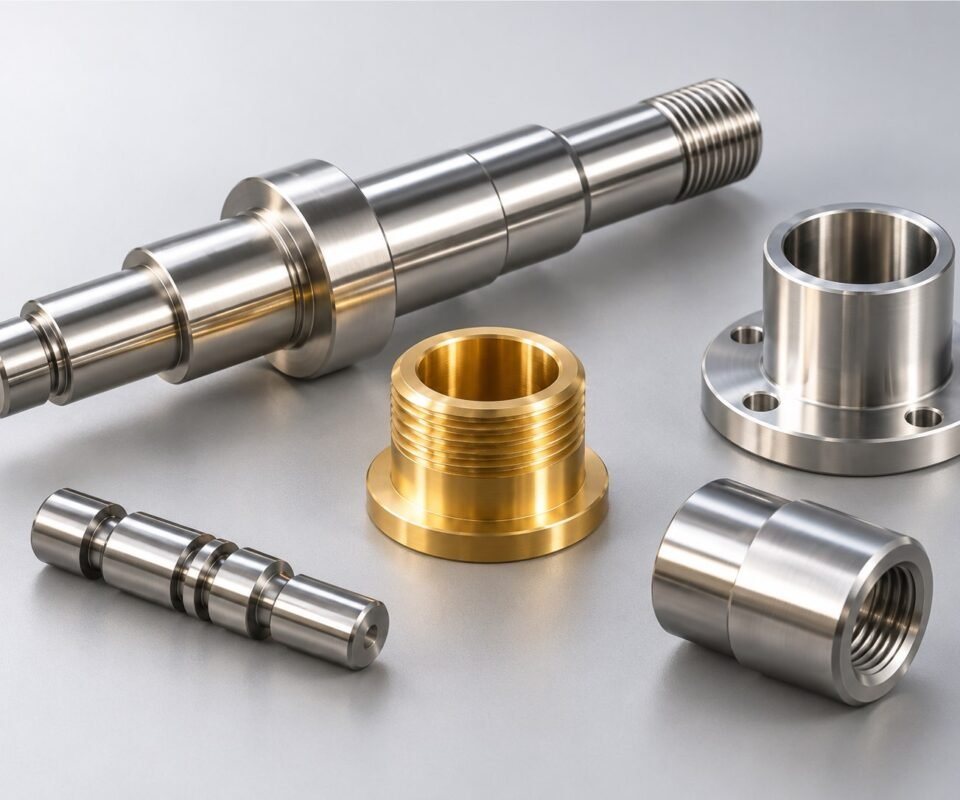
Shafts, bushings, brackets and wear-related stainless steel components.
FAQ: Stainless Steel Grades and Machining
Is 304 or 316 easier to machine?
304 is generally a little easier to machine than 316, while 316 offers better chloride corrosion resistance. Both require sharp tools, stable feed and good heat control.
What stainless steel grade is best for machining?
303 is often the easiest common stainless grade to machine, but it has lower corrosion resistance than 304 or 316. For corrosion-resistant precision parts, 304, 316, 316L and 17-4PH are common choices depending on the application.
Why does stainless steel work harden?
When the cutting edge rubs or dwells instead of shearing material cleanly, the surface layer can become harder. This is common in austenitic stainless grades and can shorten tool life.
Can stainless steel be heat treated after machining?
Some grades can. Martensitic grades such as 410 and 420 can be hardened. 17-4PH can be solution treated and aged. Austenitic 304 and 316 are not hardened by standard heat treatment in the same way.
Need help selecting a stainless steel grade?
Send your drawing, 3D model, grade requirement, quantity and operating environment. Milemetal can review machinability, corrosion risk, tolerances and finishing options before production.