
Stainless Steel Grades Types and Machining Guide for CNC Parts
2026-06-08
Metal Plating Guide for CNC Machined Parts
2026-06-08
Aluminum Grades, Types and CNC Machining Guide for Precision Parts
Aluminum is lightweight, corrosion resistant and excellent for CNC machining, but each alloy series behaves differently. This guide explains aluminum grades, alloy classifications, machining characteristics, surface treatments and how to choose the right material for custom parts.
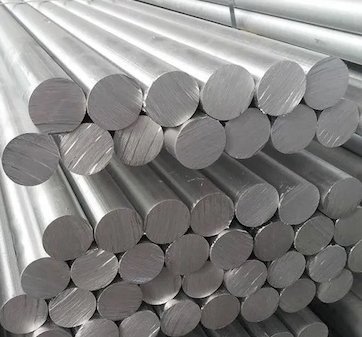
Why Aluminum Is Popular for CNC Machining
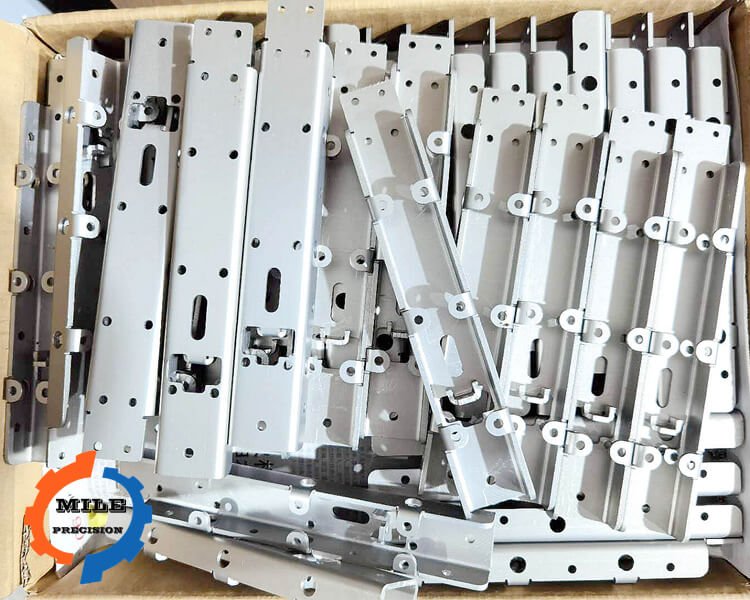
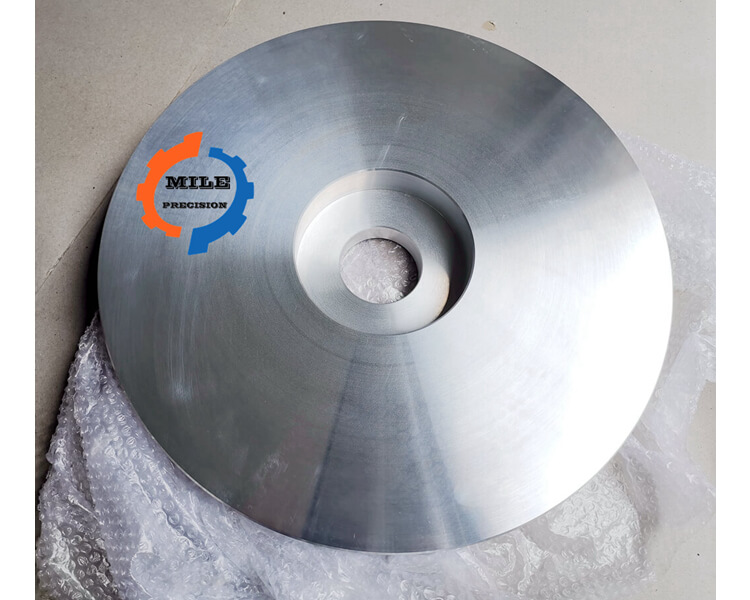
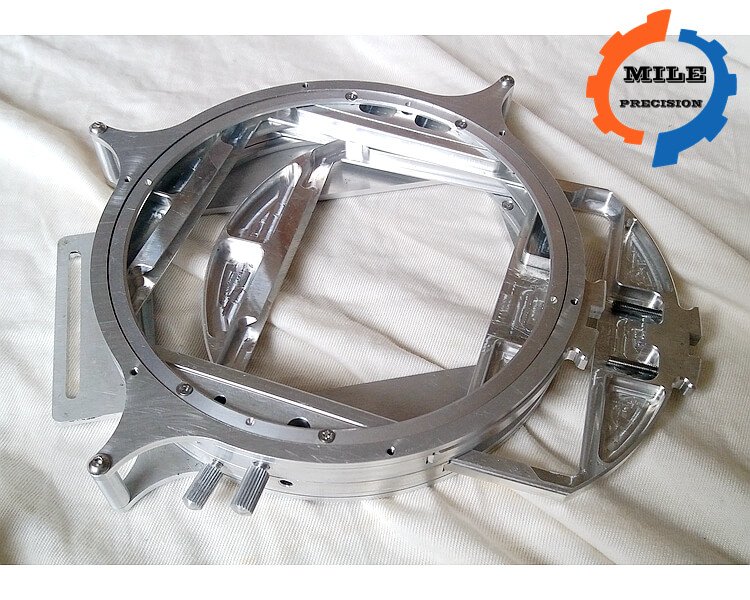
Aluminum is one of the most widely used materials for CNC milled and turned parts. It offers a strong combination of low density, good strength-to-weight ratio, corrosion resistance, electrical and thermal conductivity, and excellent machinability. For prototypes, fixtures, housings, brackets, camera parts, heat sinks and aerospace-style lightweight components, aluminum often delivers a practical balance of performance and cost.
The key is choosing the correct alloy and temper. 6061-T6 is a versatile default, 7075 is selected for high strength, 5052 is useful for sheet and corrosion-resistant parts, 6063 is common for extrusions, and 2024 is used where fatigue strength matters. Surface treatments such as anodizing, hard anodizing, sandblasting and bead blasting can further improve wear resistance, corrosion protection and appearance.
Aluminum is roughly one-third the density of steel, making it efficient for weight-sensitive parts.
Many aluminum grades cut cleanly and support fast milling, drilling and turning cycles.
Anodizing, hard anodizing, polishing and sandblasting can improve function and appearance.
Aluminum Alloy Series and Classification
Aluminum alloys are grouped by their main alloying elements. Understanding the series helps engineers choose between machinability, strength, corrosion resistance, formability and finishing behavior.
| Series | Main alloying element | Typical grades | Main characteristics | Machining notes |
|---|---|---|---|---|
| 1xxx | Commercially pure aluminum | 1050, 1060, 1100 | Excellent corrosion resistance and conductivity, low strength | Soft and gummy; less common for precision structural CNC parts |
| 2xxx | Copper | 2011, 2024 | High strength and good fatigue resistance | Machines well, but corrosion resistance is lower than 5xxx/6xxx |
| 3xxx | Manganese | 3003, 3004 | Good formability and corrosion resistance | Often used for sheet rather than high-precision machined blocks |
| 5xxx | Magnesium | 5052, 5083, 5754 | Good corrosion resistance, good weldability, moderate strength | Useful for marine, sheet and formed parts; may be softer than 6061 |
| 6xxx | Magnesium + silicon | 6061, 6063, 6082 | Good machinability, corrosion resistance and anodizing response | Common choice for general CNC machining and extruded profiles |
| 7xxx | Zinc | 7075, 7050 | Very high strength-to-weight ratio | Excellent for high-strength parts; corrosion protection and stress control matter |
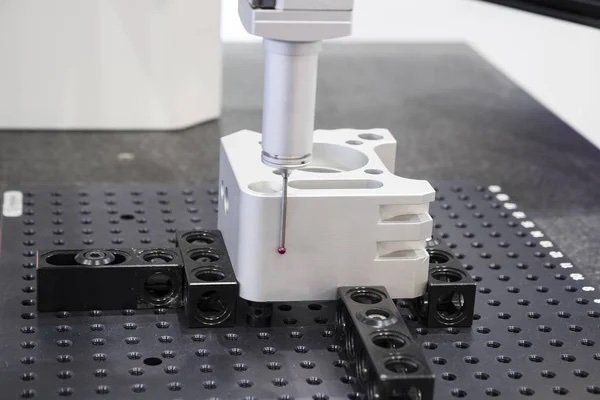
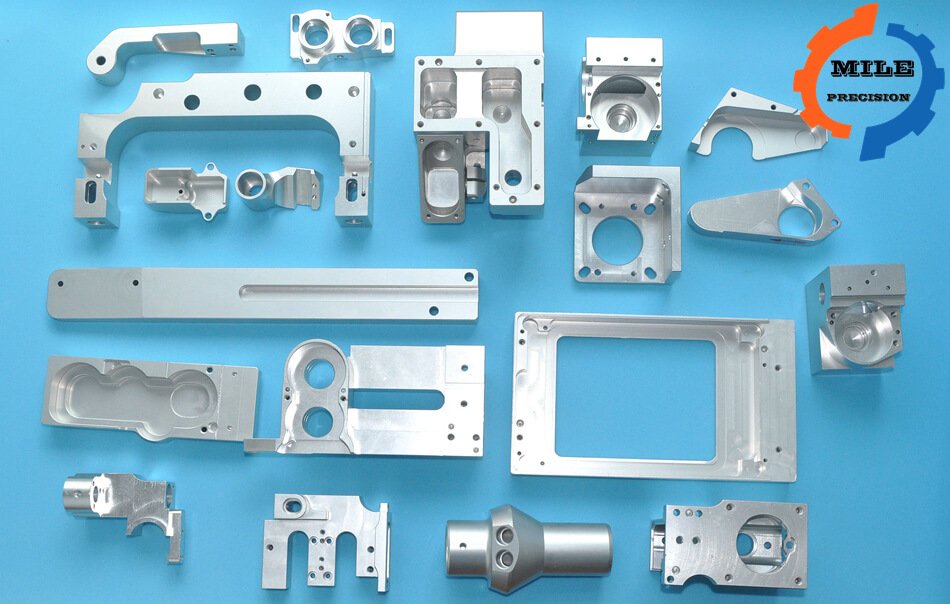
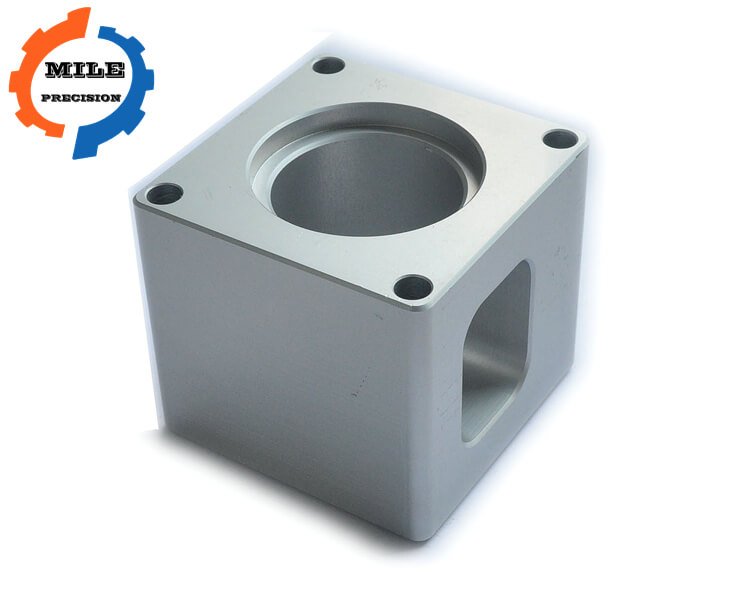


Common Aluminum Grades for CNC Machining
The most common CNC aluminum grades differ in strength, corrosion resistance, anodizing behavior and cost. The table below gives a practical comparison for product designers and purchasing teams.
| Grade | Series | Key benefits | Machining behavior | Typical CNC applications |
|---|---|---|---|---|
| 6061-T6 | 6xxx | Balanced strength, corrosion resistance, machinability and cost | Excellent general-purpose CNC machining grade | Housings, brackets, plates, fixtures, prototypes, machine parts |
| 6082 | 6xxx | Higher strength than 6061 in many cases, good structural use | Good machinability; common in Europe and structural components | Frames, brackets, load-bearing machined parts |
| 6063 | 6xxx | Good extrusion quality and surface finish | Good for extruded profiles; lower strength than 6061 | Profiles, enclosures, heatsink-like extrusions, decorative parts |
| 7075-T6 | 7xxx | Very high strength-to-weight ratio | Machines well but requires attention to stress, corrosion protection and finishing | Aerospace parts, high-strength fixtures, lightweight structural components |
| 7050 | 7xxx | High strength with better stress corrosion resistance than some 7075 applications | Used where thick sections and high strength matter | Aerospace and high-load machined parts |
| 2024 | 2xxx | High strength and fatigue resistance | Good machinability, lower corrosion resistance without protection | Aerospace components, shafts, fittings, fatigue-loaded parts |
| 2011 | 2xxx | Free-machining aluminum with excellent chip control | Very good for high-volume turning; lower corrosion resistance | Precision turned parts, fittings, small components |
| 5052 | 5xxx | Good corrosion resistance, formability and weldability | Softer than 6061; useful for sheet and formed components | Marine parts, covers, panels, camera parts, sheet-metal-style components |
| 5083 | 5xxx | Excellent marine corrosion resistance and good strength | Useful for corrosion-focused applications, less common for fine detail than 6061 | Marine, transportation and welded structures |
CNC Machining Characteristics of Aluminum
Aluminum is generally easier to machine than stainless steel or titanium, but it still requires the right strategy. Soft grades can smear or build up on the cutting edge. High-strength grades may need stress control. Thin walls can vibrate or distort. Good chip evacuation, sharp tools and stable fixturing are still essential.
Use sharp tools
Sharp carbide tools and polished flutes help reduce built-up edge and improve surface finish.
Clear chips fast
Aluminum chips can pack in pockets. Air blast, coolant or high-efficiency toolpaths help.
Control thin walls
Use staged machining, support material and balanced passes to reduce distortion.
Plan finishing
Surface treatment affects final dimensions, color, wear resistance and corrosion protection.
| Operation | Common issue | Practical solution | Quality focus |
|---|---|---|---|
| CNC milling | Chip packing, chatter, thin-wall vibration | Use high-efficiency toolpaths, rigid fixturing and sharp end mills | Flatness, wall thickness, burrs, pocket finish |
| CNC turning | Built-up edge and surface marks | Use proper insert geometry, chip control and stable workholding | Diameter, roundness, surface finish, concentricity |
| Drilling and boring | Hole oversize, burrs and chip evacuation | Choose suitable drills, reamers or boring tools for tolerance-critical holes | Hole size, location, burr control |
| Threading | Soft threads or galling in some assemblies | Consider thread inserts, thread milling or suitable engagement length | Thread strength, fit and repeatable assembly |
| Thin-wall machining | Part deflection and residual stress movement | Rough symmetrically, leave support, finish in controlled passes | Distortion, flatness, parallelism |
Surface Finishing Options for Aluminum Parts
Aluminum is especially valuable because it accepts many finishes. Finishing can improve corrosion resistance, appearance, wear resistance, electrical insulation, hardness or friction behavior. The correct finish should be chosen early because coating thickness can affect final dimensions.
| Finish | Purpose | Best suited grades | Design note |
|---|---|---|---|
| Clear anodizing | Corrosion resistance and clean appearance | 6061, 6063, 6082 | Color and brightness depend on alloy and surface preparation |
| Black anodizing | Appearance, corrosion protection and light control | 6061, 6063, 7075 | Important for optical, camera and enclosure parts |
| Hard anodizing | Wear resistance and thicker protective layer | 6061, 7075, some 2xxx/5xxx grades | Coating thickness must be included in tolerance planning |
| Sandblasting / bead blasting | Uniform matte texture before anodizing | Most machined aluminum grades | Can soften sharp edges and change cosmetic appearance |
| Chemical conversion coating | Corrosion protection with electrical conductivity | 6061 and many machined aluminum grades | Useful where anodizing is not suitable |
| Polishing | Cosmetic finish or reduced surface roughness | Selected grades depending on appearance requirements | Polishing can round edges and alter small features |
If an aluminum part has tight holes, bearing seats, sealing surfaces or sliding areas, confirm whether the tolerance applies before or after anodizing or hard anodizing.
Applications of CNC Aluminum Machined Parts
7075, 7050 and 6061 for lightweight brackets, frames and structural components.
6061 and 6063 for housings, heat sinks, panels and precision enclosures.
6061, 5052 and anodized aluminum for lightweight, stable and cosmetic components.
6061-T6 plates, fixtures, arms, machine parts and guide components.
5052, 5083 and anodized 6061 where corrosion resistance matters.
6061 is often the fastest and most cost-effective starting point for CNC prototypes.
FAQ: Aluminum Grades and CNC Machining
What is the best aluminum grade for CNC machining?
6061-T6 is often the best general-purpose choice because it balances machinability, strength, cost, corrosion resistance and anodizing response. For higher strength, 7075-T6 may be better.
Is 7075 stronger than 6061?
Yes. 7075-T6 is significantly stronger than 6061-T6, but it is usually more expensive and needs more attention to corrosion protection and stress-related design.
What aluminum grade is best for anodizing?
6061 and 6063 are common choices for good anodizing appearance. 7075 can be anodized too, but color and appearance may differ from 6xxx grades.
Can aluminum hold tight tolerances?
Yes, aluminum can hold tight CNC tolerances, especially in stable geometries and suitable grades. Thin walls, large flat plates, stress-relieved stock and post-machining finishing should be reviewed carefully.
Need help selecting an aluminum grade?
Send your drawing, 3D model, material requirement, surface finish and quantity. Milemetal can review grade selection, machinability, tolerance risk and finishing options before production.