Aluminum Grades Types and CNC Machining Guide for Precision Parts
2026-06-08
Copper Brass and Bronze Grades and CNC Machining Guide
2026-06-08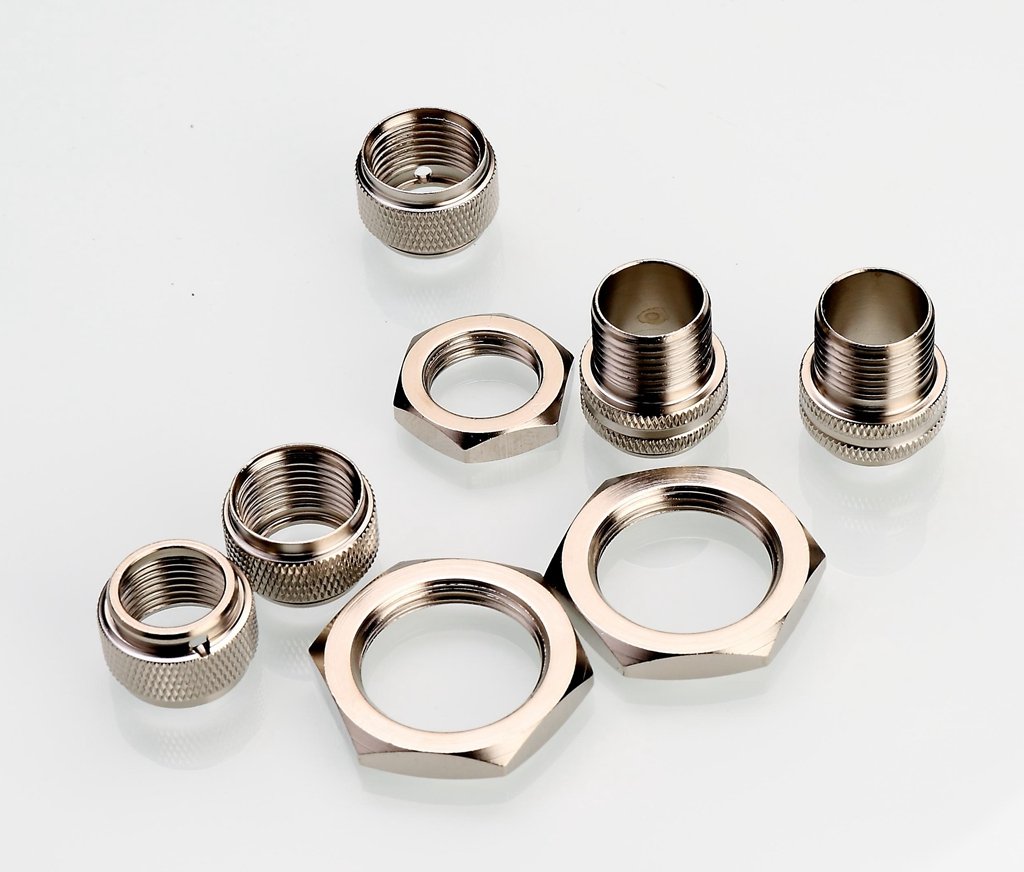
Metal Plating Guide for CNC Machined Parts: Types, Process, Materials and Design Tips
Metal plating adds a controlled surface layer to machined parts to improve corrosion resistance, wear resistance, conductivity, solderability, appearance or dimensional performance. This guide explains common plating types, process steps and design considerations for precision CNC components.

What Is Metal Plating?
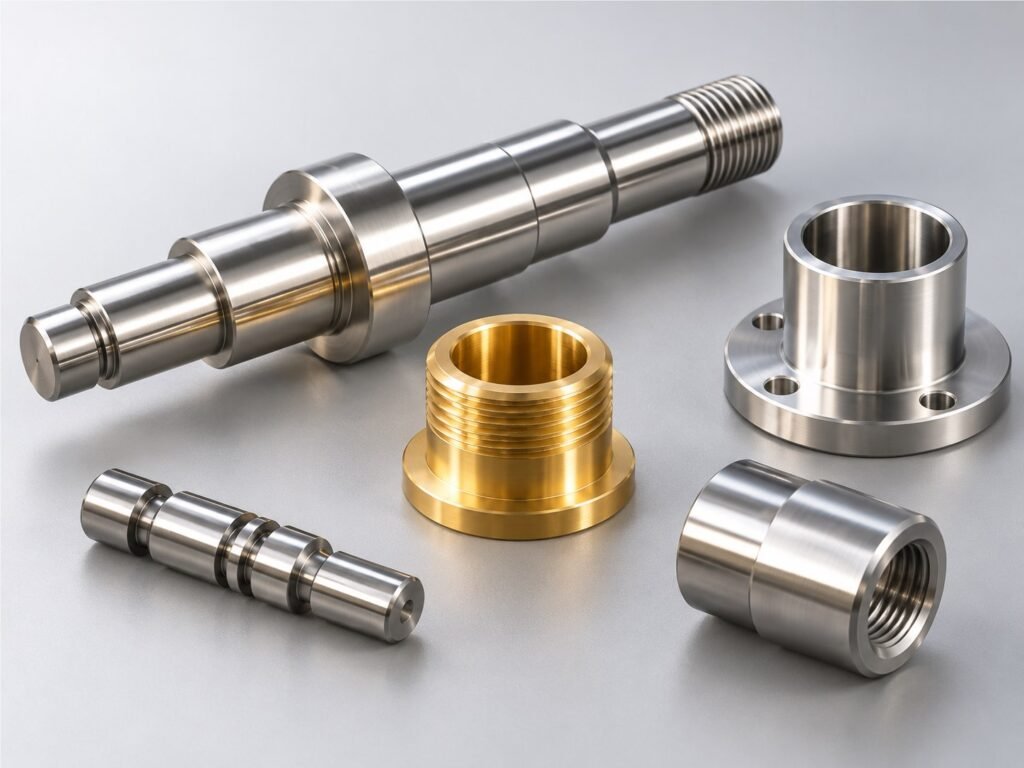
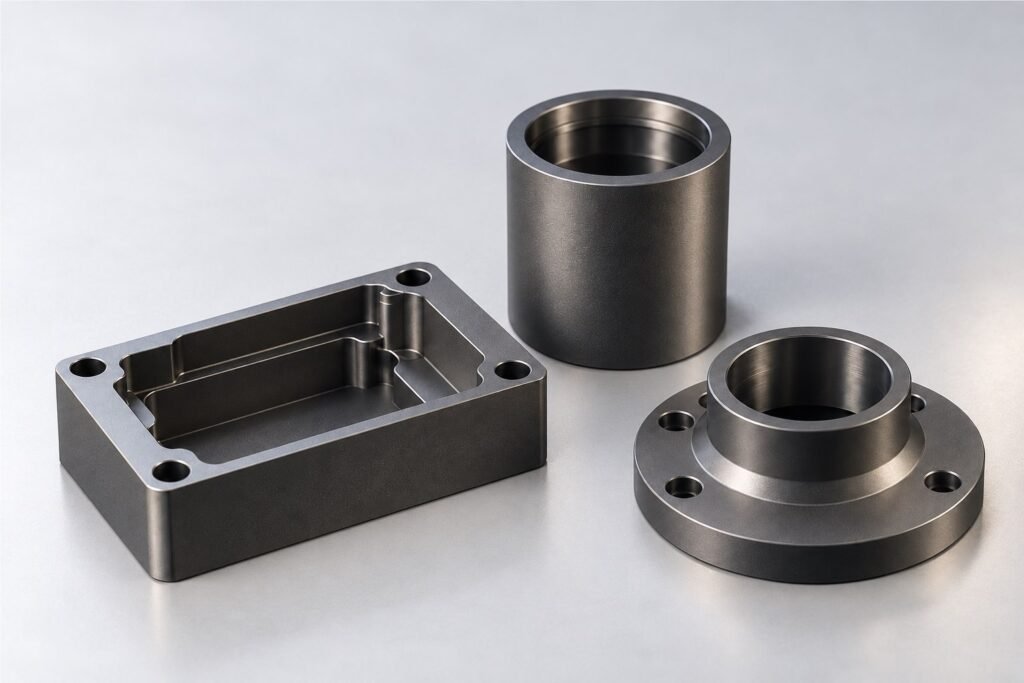
Metal plating is a surface finishing process that deposits a thin layer of metal onto another material. For CNC machined parts, plating is often used after machining, deburring and cleaning. The base material may be steel, stainless steel, brass, copper, aluminum or another engineered alloy, while the deposited coating may be nickel, zinc, chrome, tin, copper, silver, gold or another functional layer.
The purpose is not only cosmetic. A plated layer can protect the part from corrosion, increase hardness, reduce friction, improve electrical conductivity, improve solderability, build up a worn surface, or create a controlled appearance. The correct plating process depends on the base metal, part geometry, tolerance requirements and service environment.
Zinc, nickel and chrome coatings can protect steel or other metals from corrosion and wear.
Tin, silver, gold and copper plating can improve electrical contact, solderability or conductivity.
Decorative plating can provide bright, satin, black, polished or uniform cosmetic surfaces.
Basic Metal Plating Process
A good plated finish starts before the part enters the plating bath. Machining marks, burrs, oil, oxide, sharp edges and blind holes can all affect plating quality. For precision components, the plating supplier and CNC shop should review the drawing, coating thickness and inspection method before production.
Clean
Remove oil, coolant, dust and machining residue from the part surface.
Prepare
Deburr, polish, blast or chemically activate the surface depending on the coating.
Plate
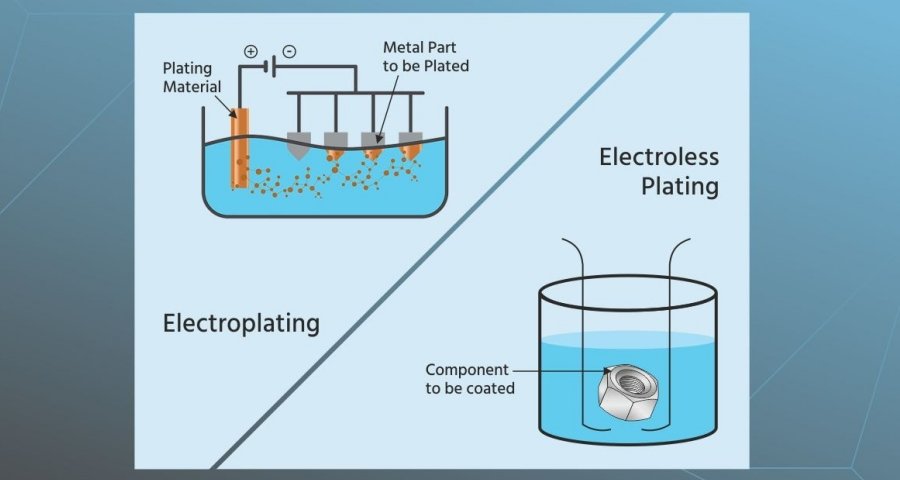
Deposit the selected metal layer by electroplating or electroless plating.
Post-treat
Apply passivation, baking, sealing, polishing or chromate where required.
Inspect
Check appearance, adhesion, thickness, critical dimensions and corrosion requirements.
If the coating thickness is significant, confirm whether dimensional tolerances apply before plating or after plating. This matters for shafts, threads, holes, sealing faces and sliding fits.
Common Types of Metal Plating
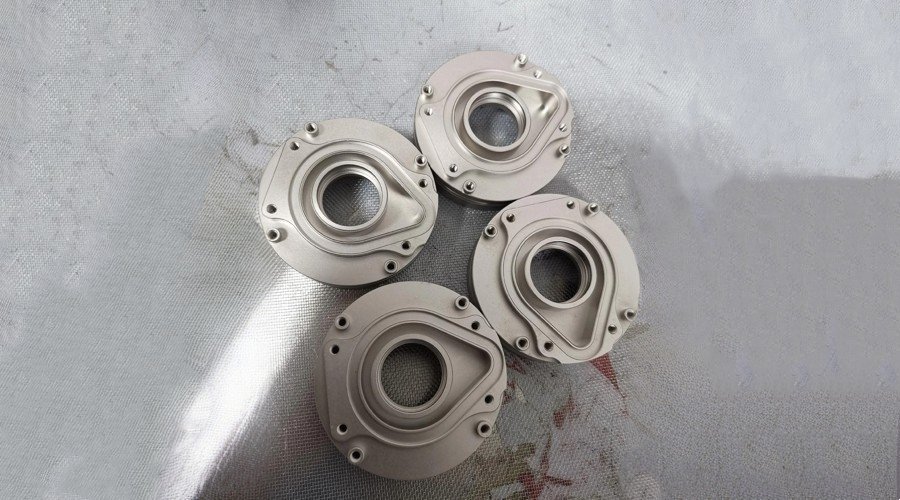
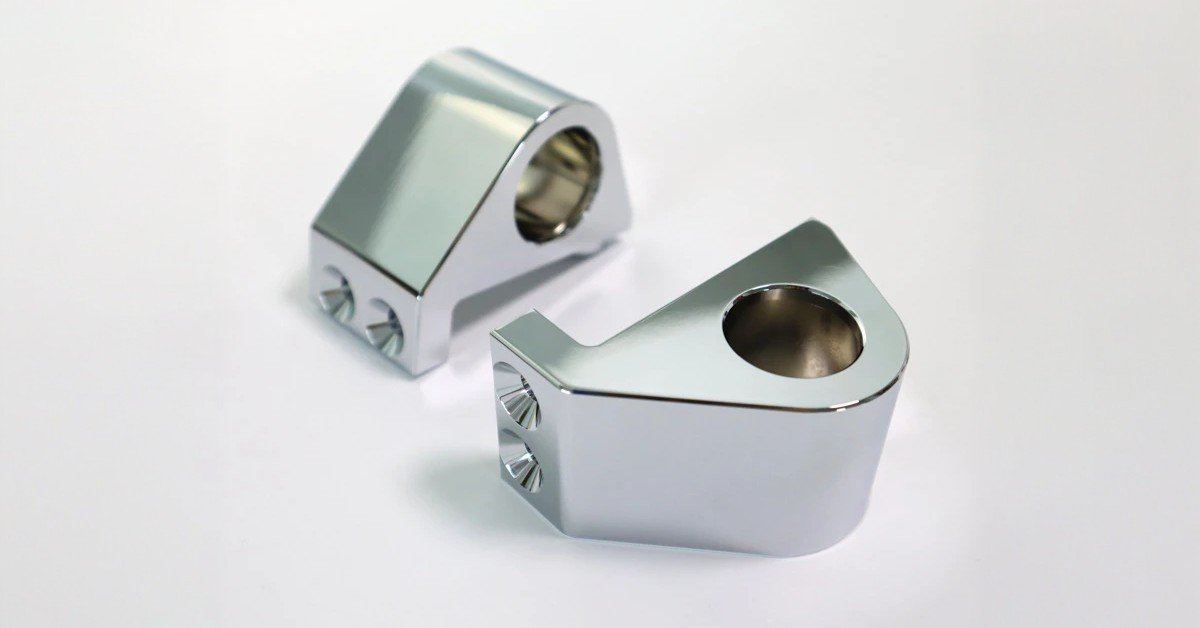
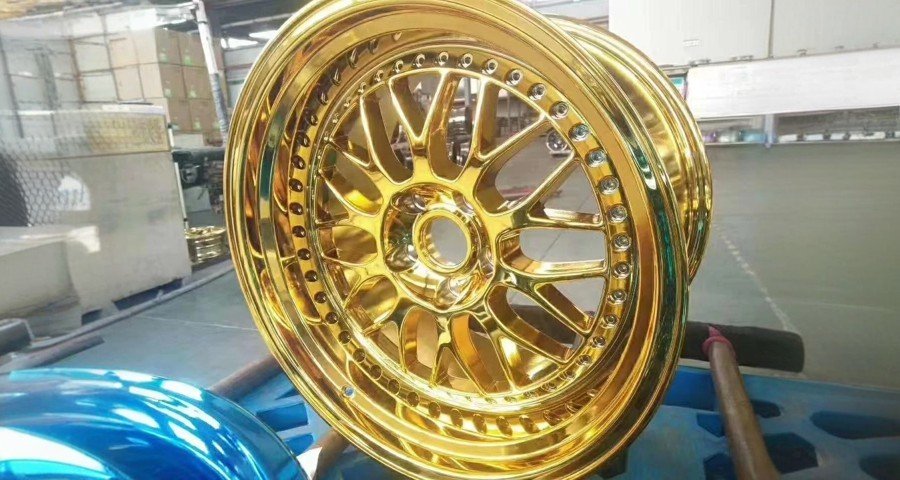
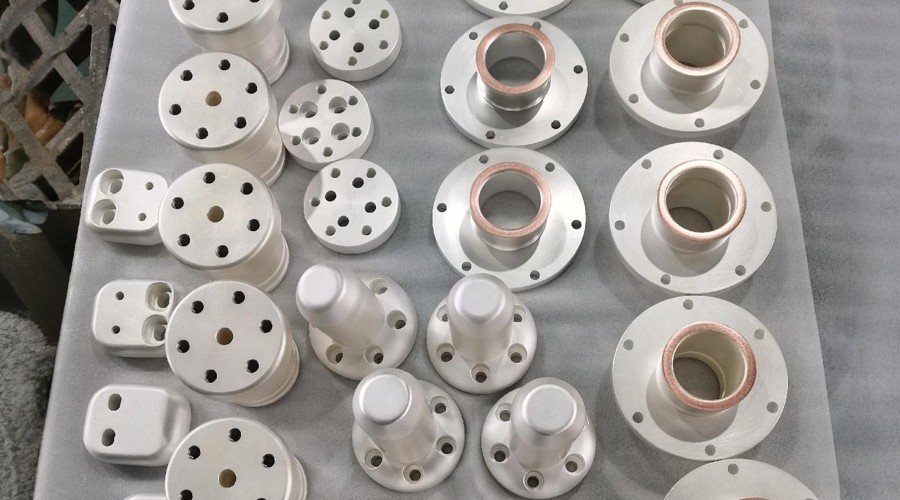
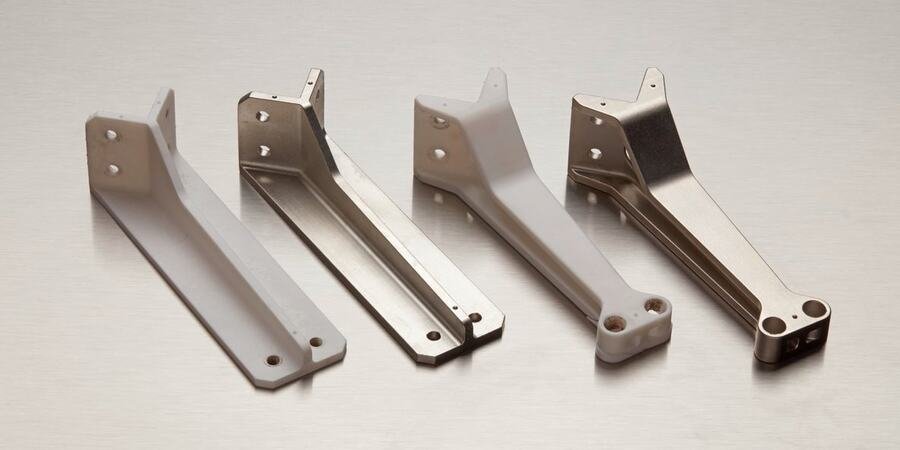
Different plating materials solve different problems. Some are chosen for corrosion resistance, others for wear, conductivity, appearance or solderability. The table below summarizes practical choices for CNC machined parts.
| Plating type | Main purpose | Common base materials | Typical uses | Design notes |
|---|---|---|---|---|
| Nickel plating | Corrosion resistance, wear resistance, appearance | Steel, copper, brass, aluminum with proper pretreatment | Precision components, fittings, shafts, electronic hardware | Electroless nickel gives more uniform thickness on complex geometry. |
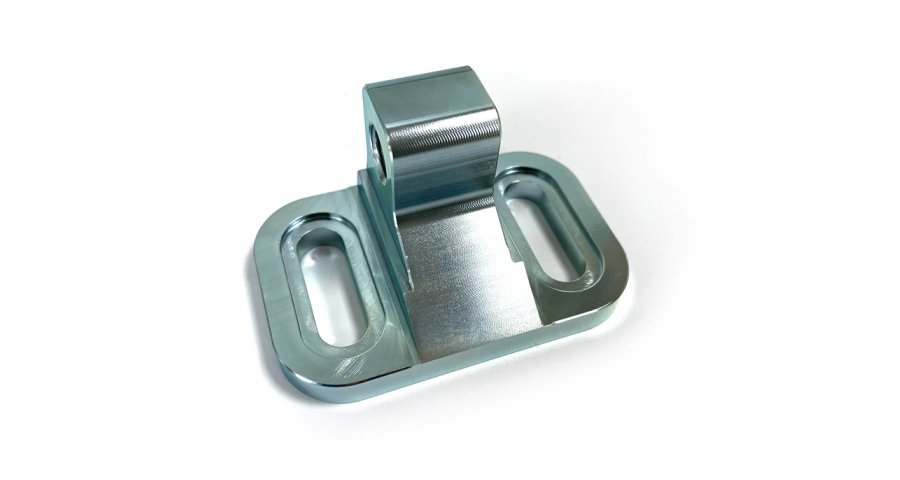
| Zinc plating | Economical corrosion protection | Steel and iron parts | Fasteners, brackets, stamped parts, hardware | Chromate conversion can change color and corrosion performance. |
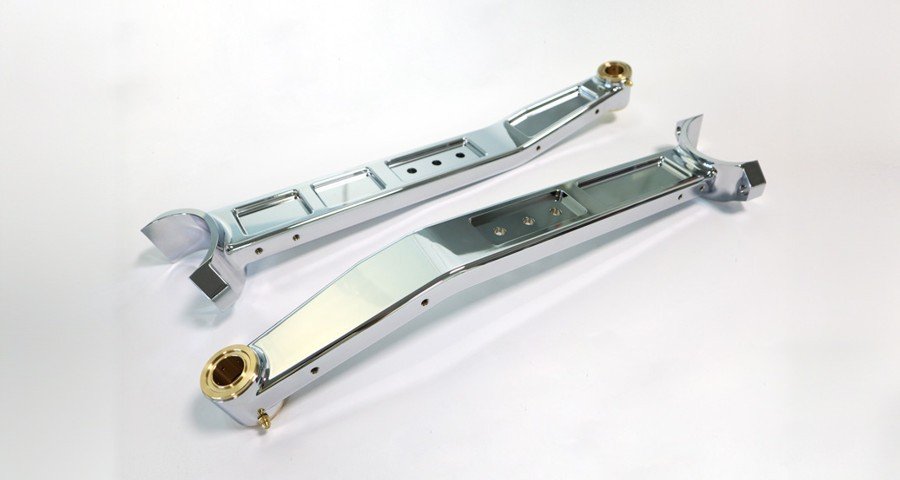
| Chrome plating | Hardness, wear resistance, bright appearance | Steel, brass, copper alloys | Shafts, rods, wear surfaces, decorative hardware | Hard chrome may require grinding allowance and hydrogen embrittlement control. |
| Tin plating | Solderability and corrosion resistance | Copper, brass, steel | Electrical terminals, contacts, connectors | Useful where soldering or low contact resistance matters. |
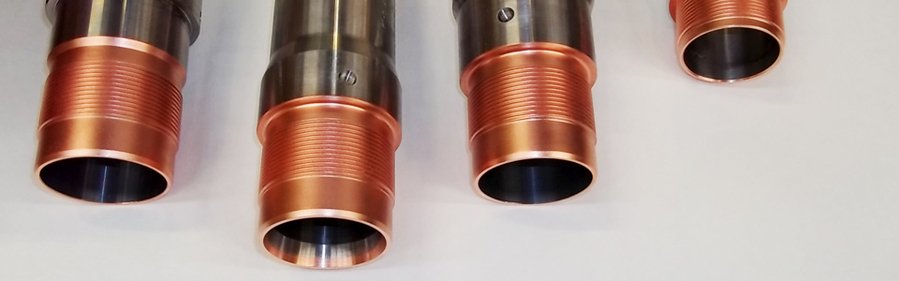
| Copper plating | Conductivity, undercoat, decorative base layer | Steel, zinc die castings, other metals | Electrical parts, underlayer before nickel/chrome, restoration | Often used as an intermediate layer for adhesion or leveling. |
| Silver plating | High conductivity and good contact performance | Copper, brass, selected steel parts | Electrical connectors, RF components, power contacts | Can tarnish; packaging and environment should be considered. |
| Gold plating | Excellent conductivity and oxidation resistance | Copper alloys, nickel underplate, electronic parts | High-reliability contacts, sensors, electronics | Expensive; thickness and underplate must match the reliability requirement. |
| Electroless nickel | Uniform coating, corrosion and wear resistance | Steel, stainless, aluminum, copper alloys | Complex CNC parts, molds, valves, manifolds | Good for holes, recesses and complex surfaces because it does not depend on current density. |
Electroplating vs Electroless Plating
| Method | How it works | Advantages | Limitations | Best fit |
|---|---|---|---|---|
| Electroplating | Uses electrical current to deposit metal ions onto the part surface | Wide material options, efficient, common for zinc, nickel, chrome, tin and precious metals | Thickness can vary with geometry and current density | General plating, decorative finishes, electrical and corrosion-resistant coatings |
| Electroless plating | Uses chemical reduction to deposit metal without external current | More uniform coating on complex shapes, holes and recesses | Process control and chemistry are more specialized | Complex precision parts, manifolds, valves, molds and parts with internal features |
Design Tips for Plated CNC Machined Parts
Plating builds material on the surface. Plan holes, threads, shafts and fits accordingly.
Sharp corners can create uneven coating, burning or poor edge durability.
Plating follows the base surface. Scratches, tool marks and burrs can show through.
Deep holes and recesses may trap solution or receive uneven coating.
Define thickness, adhesion, appearance, corrosion test and critical dimensions.
Hydrogen embrittlement relief baking may be needed after certain plating processes.
Plating Compatibility with Common CNC Materials
| Base material | Common finishing choices | Why it is used | Important notes |
|---|---|---|---|
| Carbon steel | Zinc, nickel, chrome, black oxide | Corrosion protection and wear resistance | High-strength steel may need hydrogen embrittlement control. |
| Stainless steel | Passivation, electropolishing, special nickel or chrome coatings | Improve cleanliness, appearance or specific surface function | Often passivated rather than plated unless a functional coating is required. |
| Brass | Nickel, chrome, tin, silver, gold | Appearance, conductivity, wear and corrosion protection | Good base material for decorative and electrical finishes. |
| Copper | Nickel, tin, silver, gold | Conductivity, solderability and oxidation control | Nickel underplate is common for many finish systems. |
| Aluminum | Anodizing, hard anodizing, conversion coating, special nickel plating | Corrosion, wear, insulation or functional surface improvement | Aluminum plating requires correct pretreatment; anodizing is often preferred. |
FAQ: Metal Plating for Machined Parts
Is plating added before or after CNC machining?
Most precision parts are plated after CNC machining, deburring and cleaning. In some repair or build-up cases, machining may be performed after plating or between coating steps.
Does plating change part dimensions?
Yes. Plating adds thickness to the surface, and the amount depends on the specified coating. Critical holes, shafts, threads and fits should account for final plated dimensions.
What is the difference between nickel plating and electroless nickel?
Traditional nickel electroplating uses electrical current and can vary with geometry. Electroless nickel is chemically deposited and is often more uniform on complex CNC machined parts.
Can aluminum be electroplated?
Yes, but aluminum requires special pretreatment. For many aluminum CNC parts, anodizing, hard anodizing or conversion coating may be more common than electroplating.
Need plated CNC machined parts?
Send your drawing, material, plating requirement, thickness specification and quantity. Milemetal can review machining allowance, surface finish, coating risk and inspection requirements before production.