Metal Plating Guide for CNC Machined Parts
2026-06-08
CMM Inspection for CNC Machined Parts: Process, Reports and Quality Control
2026-06-08
Copper, Brass and Bronze Grades: Classification and CNC Machining Guide
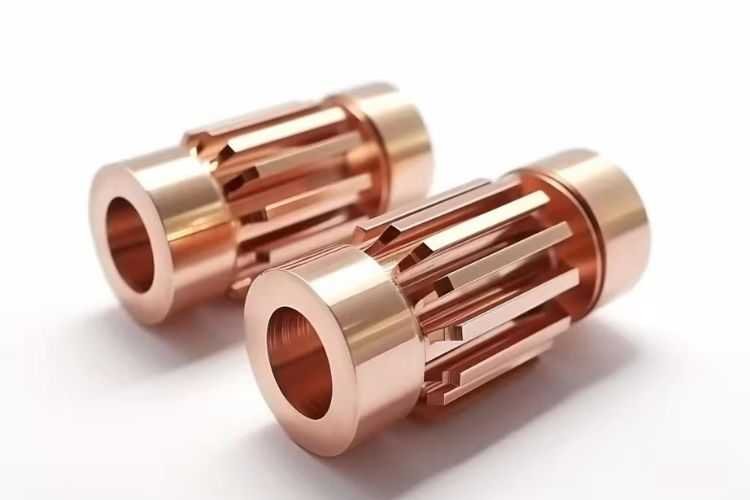
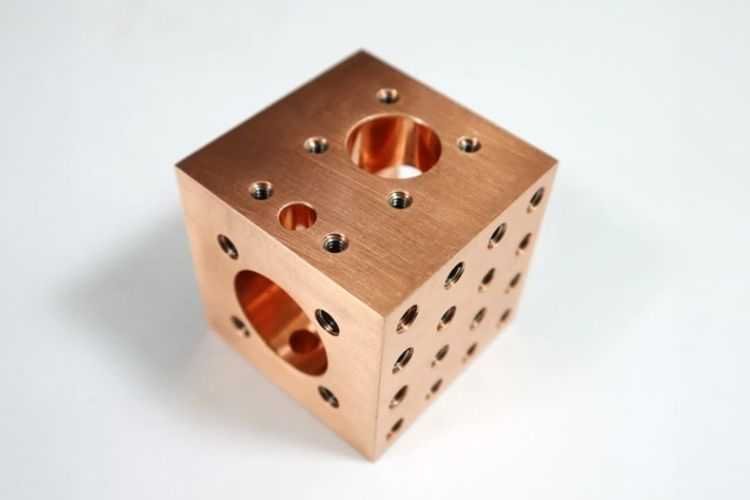
Copper and copper alloys are selected for conductivity, corrosion resistance, wear behavior and machinability. This guide explains the differences between copper, brass and bronze, common grades, CNC copper machining challenges and how to choose the right alloy for precision parts.
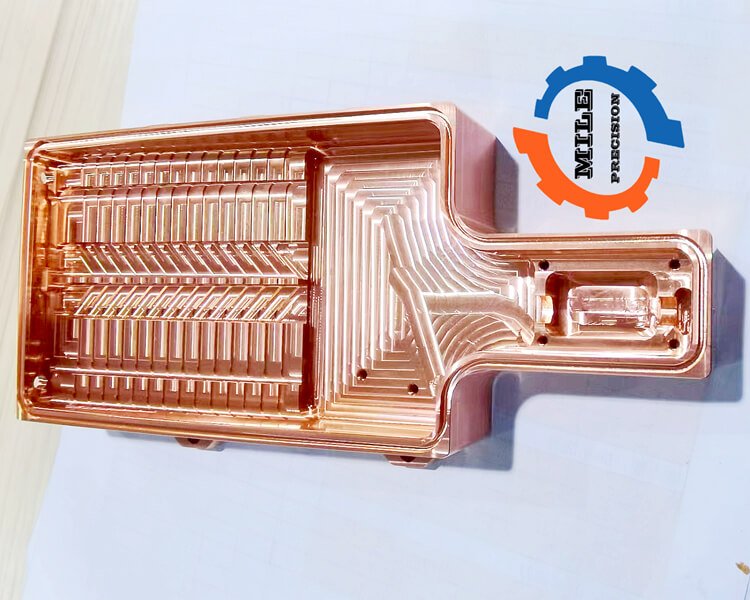
Copper vs Brass vs Bronze: What Is the Difference?
Copper is a base metal known for excellent electrical and thermal conductivity. Brass is primarily a copper-zinc alloy, valued for machinability, appearance and corrosion resistance. Bronze is traditionally a copper-tin alloy, but many modern bronze materials also include aluminum, silicon, phosphorus or lead to improve wear resistance, strength or bearing performance.
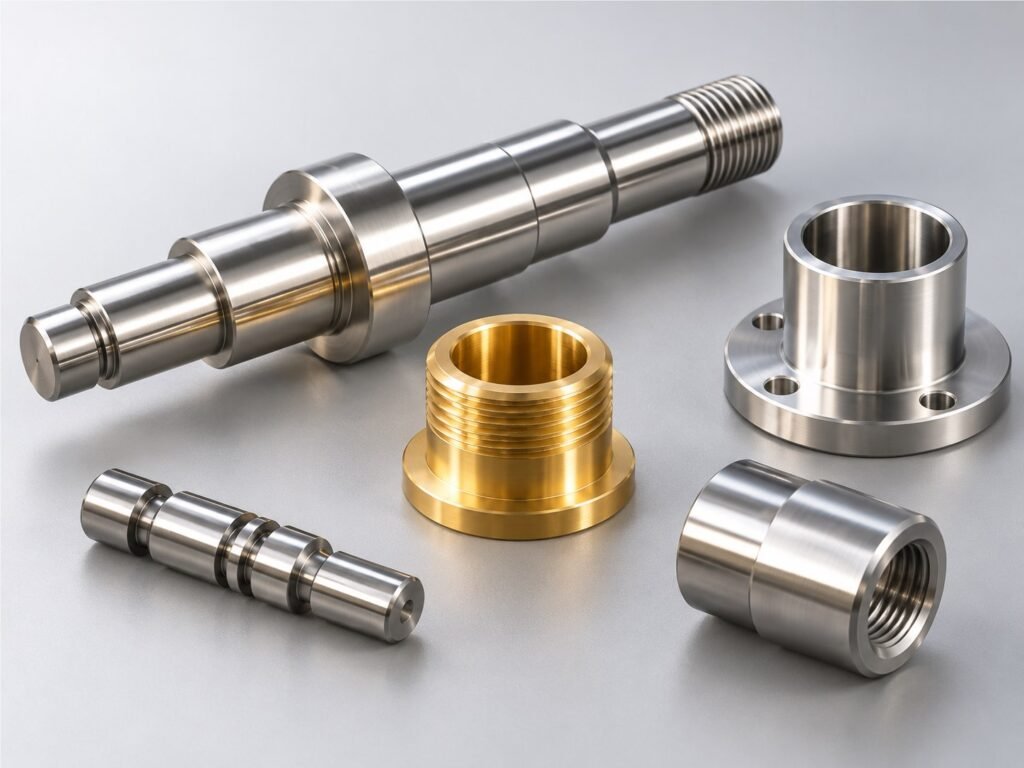
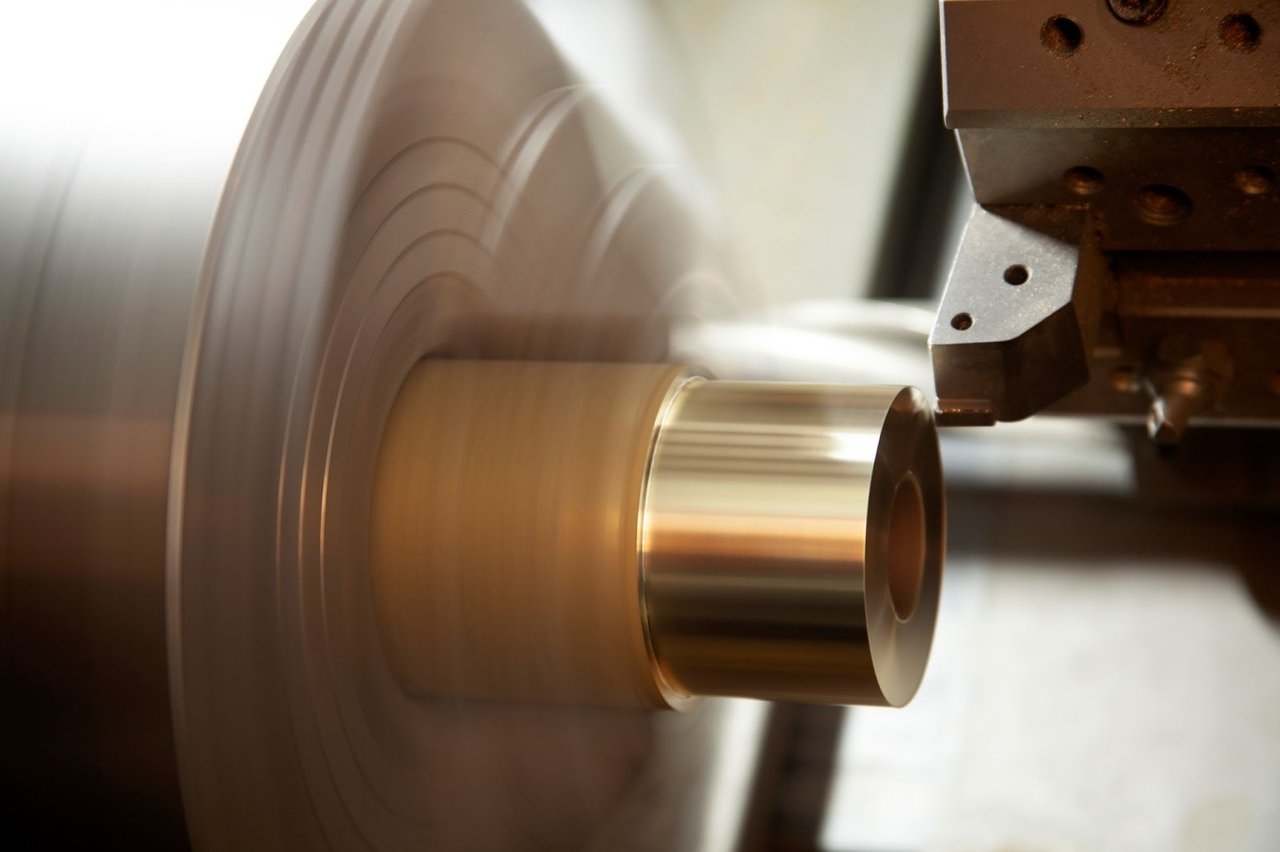
For CNC machining, these differences matter. Pure copper conducts heat and electricity well but can be gummy and difficult to cut cleanly. Brass often machines very well and is ideal for fittings, threaded parts and decorative hardware. Bronze is commonly selected for bushings, bearings and sliding components where wear resistance and load capacity matter.
Best for electrical conductivity, thermal conductivity and corrosion-resistant conductive parts.
Best for machinability, fittings, threads, valves, decorative hardware and electrical terminals.
Best for bushings, bearings, wear plates, marine hardware and sliding components.
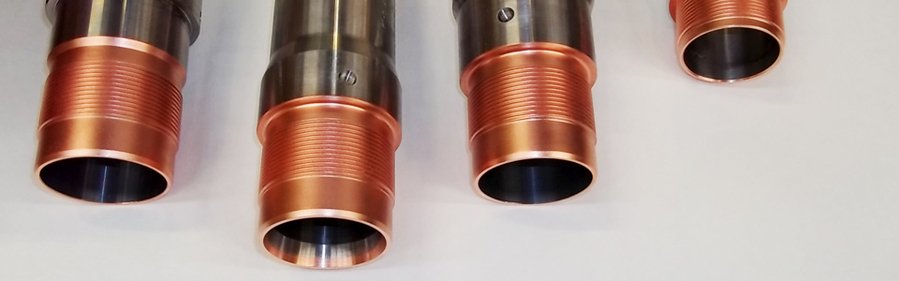

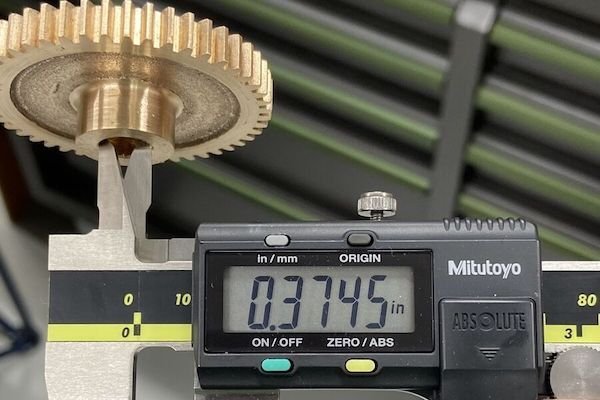
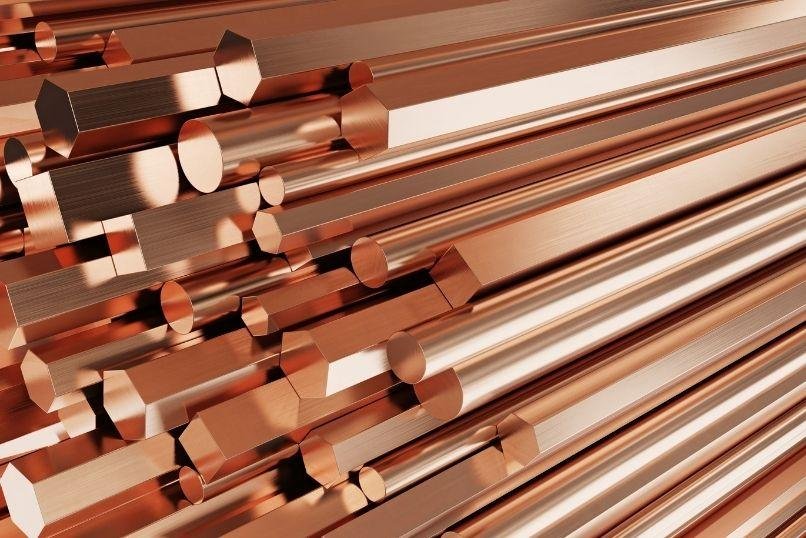
Common Copper, Brass and Bronze Grades
The best copper alloy depends on whether the part needs conductivity, machinability, wear resistance, corrosion resistance, spring properties or bearing performance. The table below summarizes common choices for CNC machined parts.
| Material / grade | Type | Key properties | Machining behavior | Typical applications |
|---|---|---|---|---|
| C110 / ETP copper | Pure copper | Excellent electrical and thermal conductivity | Can be gummy; needs sharp tools and controlled cutting | Bus bars, contacts, heat sinks, conductive parts |
| C101 / oxygen-free copper | High-purity copper | High conductivity, low oxygen content, good for vacuum/electrical use | Similar to pure copper; surface finish control matters | Electronics, RF components, vacuum and high-conductivity parts |
| C145 tellurium copper | Free-machining copper | Good conductivity with improved machinability | Much easier to machine than pure copper | Electrical connectors, terminals, machined conductive parts |
| C360 brass | Free-cutting brass | Excellent machinability, good corrosion resistance | One of the easiest copper alloys to machine | Fittings, inserts, screws, valves, precision turned parts |
| C260 cartridge brass | Brass | Good formability and corrosion resistance | Better for forming than heavy CNC removal | Springs, terminals, decorative and formed parts |
| C464 naval brass | Brass | Good seawater corrosion resistance | Machines well with proper tooling | Marine hardware, shafts, fittings |
| C932 bearing bronze | Tin bronze | Good wear resistance, bearing performance and machinability | Good for turning and boring bushings | Bushings, bearings, sleeves, wear plates |
| C954 aluminum bronze | Aluminum bronze | High strength, corrosion resistance, good wear behavior | Tougher to machine than brass; rigid setup needed | Heavy-duty bushings, marine parts, gears, valve components |
| Phosphor bronze | Bronze | Fatigue resistance, spring properties and wear resistance | Machinability depends on exact alloy and temper | Springs, contacts, bushings, precision wear parts |
CNC Copper Machining Challenges and Tips
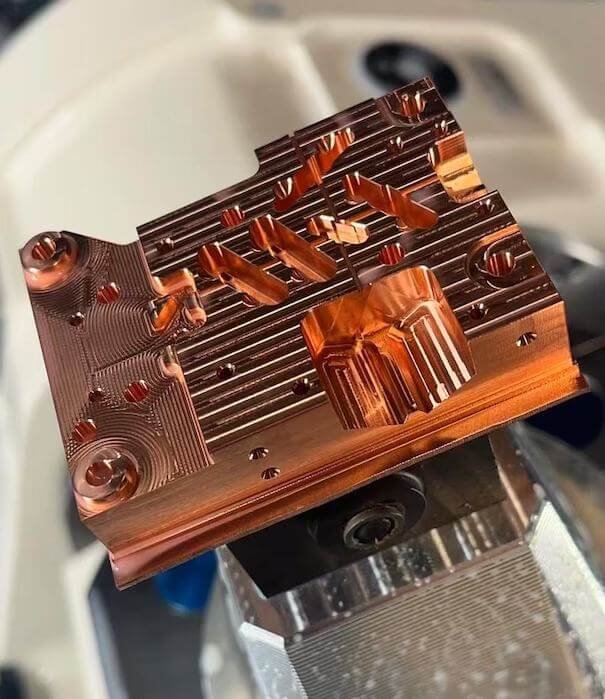
Copper is soft, ductile and highly conductive, which makes it useful but sometimes difficult to machine. Heat moves quickly through the workpiece, chips may be stringy, and pure copper can smear instead of cutting cleanly. Brass is usually easier because it breaks chips better. Bronze is often more wear-resistant and may require stronger tooling depending on the alloy.
Use sharp tools
Sharp carbide tools reduce smearing, burrs and built-up edge on copper alloys.
Control chip flow
Use geometry and feed strategy that clears chips from slots, holes and pockets.
Support soft parts
Soft copper can deform under clamping, so workholding pressure should be controlled.
Plan finishing
Deburring, polishing and plating can affect final dimensions and appearance.
| Operation | Common issue | Practical solution | Quality focus |
|---|---|---|---|
| Milling copper | Smearing, burrs and heat transfer | Use sharp tools, suitable chip load and high chip evacuation | Edge quality, pocket finish, flatness |
| Turning brass | Fast cutting but dimensional repeatability still matters | Use chipbreaker tools and stable bar support | Threads, diameter, surface finish |
| Boring bronze | Wear-resistant alloys can increase tool load | Use rigid setup and suitable inserts for bronze grade | Bushing ID, roundness, bearing fit |
| Drilling copper | Chip packing and burr formation | Use proper drill geometry, pecking and deburring strategy | Hole size, burrs, electrical contact surfaces |
| Finishing/plating | Surface marks may show after plating | Control base roughness, polishing and cleaning before plating | Appearance, adhesion, thickness, conductivity |
Surface Finishing for Copper Alloys
Copper alloys can be left natural, polished, passivated, tin plated, nickel plated, silver plated or gold plated depending on the application. Bare copper can oxidize and change color, while brass and bronze may develop a patina over time. For electrical parts, contact resistance and solderability may be more important than appearance.
Improves solderability and corrosion resistance for terminals and connectors.
Adds wear resistance, corrosion protection and a bright controlled appearance.
Used for high-reliability electrical contacts and low contact resistance.
Applications of CNC Machined Copper, Brass and Bronze Parts
Bus bars, terminals, connectors, contacts, RF parts and conductive hardware.
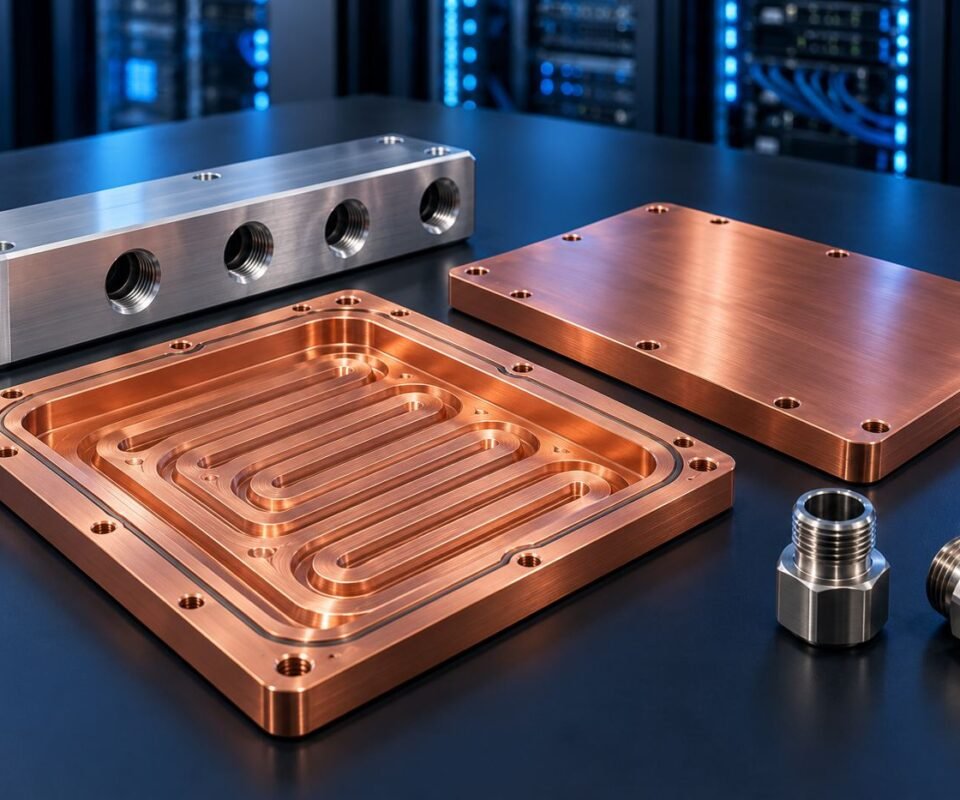
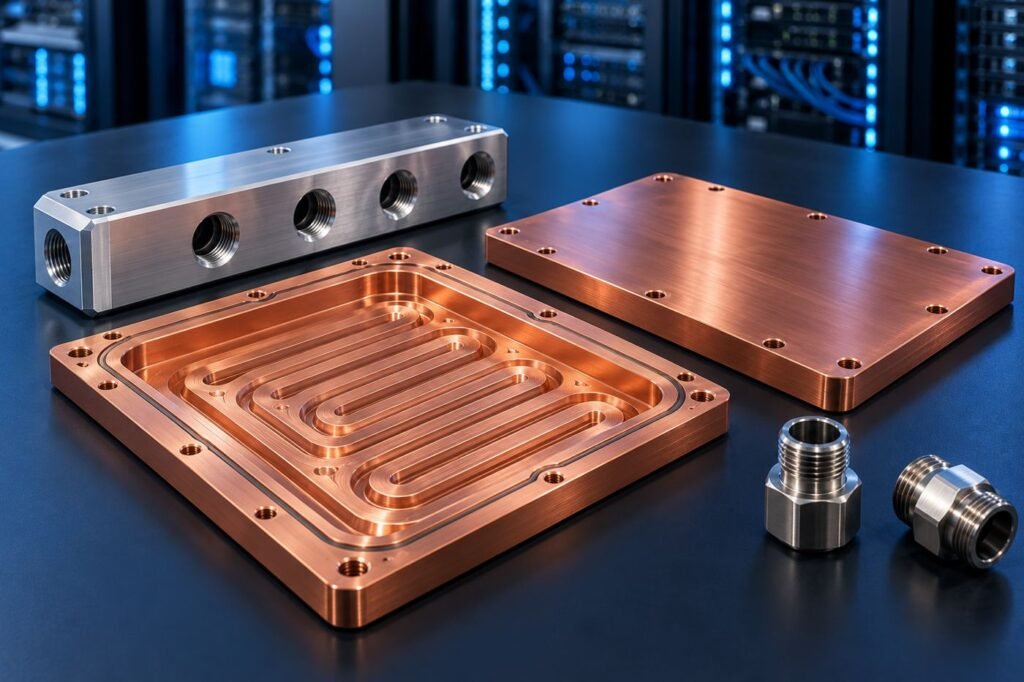
Heat sinks, cold plates and thermal transfer components made from copper alloys.
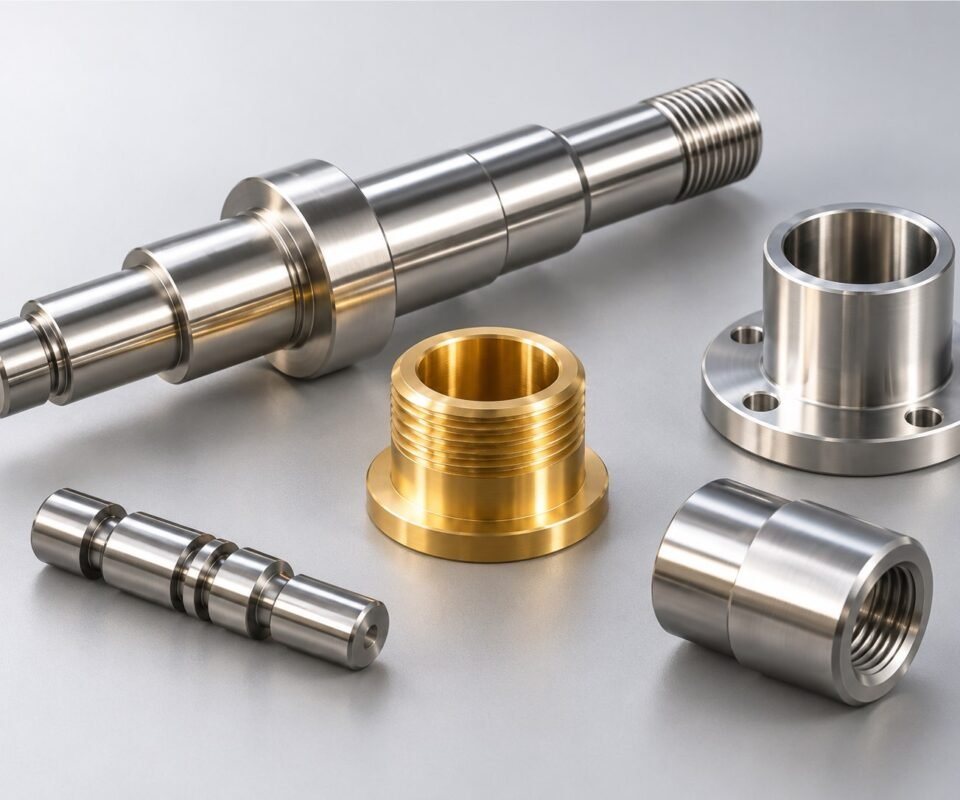
Brass fittings, valve bodies, nozzles, bushings and threaded connectors.
Bronze bushings, sleeves, thrust washers and sliding contact components.
Naval brass and bronze components for corrosion-resistant service environments.
Polished brass, plated copper alloys and architectural fittings.
FAQ: Copper Alloy Grades and Machining
Is copper harder to machine than brass?
Pure copper is usually harder to machine cleanly than brass because it is softer and more ductile. Brass, especially C360, is one of the easiest copper alloys to machine.
What is the best copper grade for CNC machining?
C145 tellurium copper is often preferred when both conductivity and machinability are needed. C110 is used when maximum conductivity matters, but it requires more careful machining.
What is the difference between brass and bronze?
Brass is mainly copper and zinc. Bronze is mainly copper and tin or other elements such as aluminum, phosphorus or silicon. Brass is often chosen for machinability, while bronze is often chosen for wear and bearing performance.
Can copper parts be plated?
Yes. Copper and copper alloys are commonly nickel plated, tin plated, silver plated or gold plated to improve corrosion resistance, solderability, wear behavior or electrical contact performance.
Need custom copper, brass or bronze CNC parts?
Send your drawing, alloy requirement, conductivity target, surface finish and quantity. Milemetal can review material selection, machining risk, tolerance needs and plating options before production.