Copper Brass and Bronze Grades and CNC Machining Guide
2026-06-08
How to Prepare Engineering Drawings for CNC Machining
2026-06-09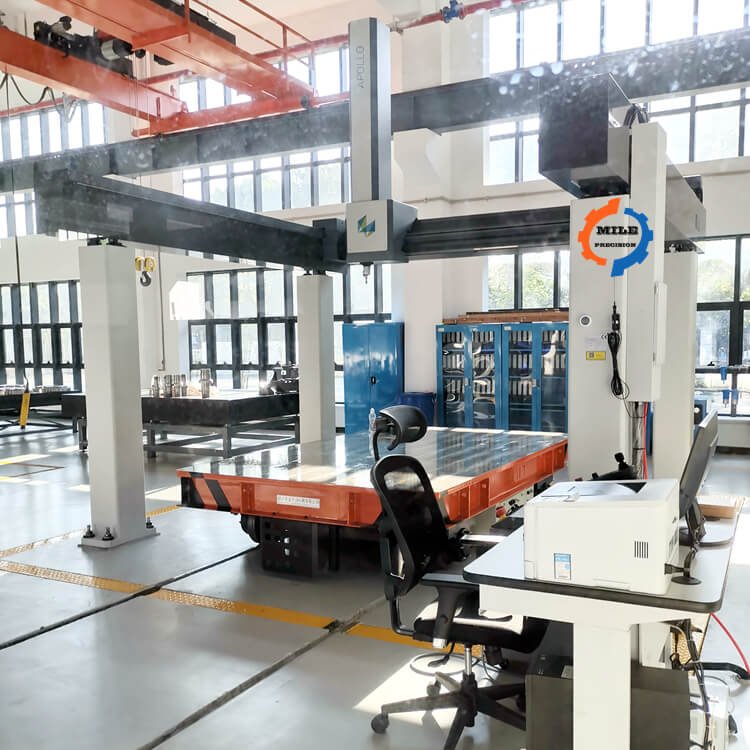
CMM Inspection for CNC Machined Parts: Process, Reports and Quality Control
CMM inspection is one of the most reliable ways to verify precision CNC machined parts against drawings, CAD models and GD&T requirements. This guide explains what a coordinate measuring machine does, when CMM measurement is needed, what appears in a CMM report and how engineers can prepare drawings for faster inspection.
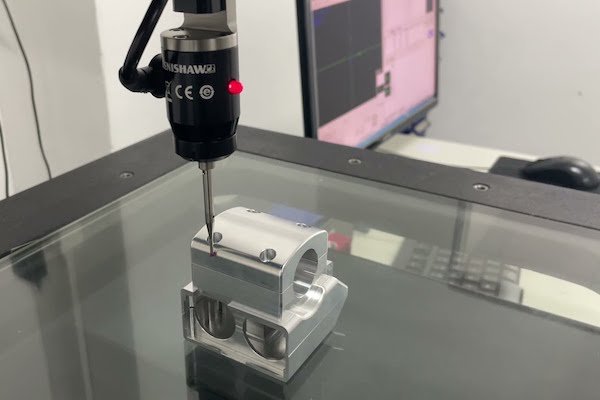
What Is CMM Inspection?
CMM stands for coordinate measuring machine. In CNC machining, CMM inspection means using a controlled measuring system to collect X, Y and Z coordinate points from a physical part, then compare those points with the required dimensions, tolerances or CAD model. The measured data can confirm size, position, profile, flatness, perpendicularity, concentricity and other features that are difficult to verify with simple hand tools.
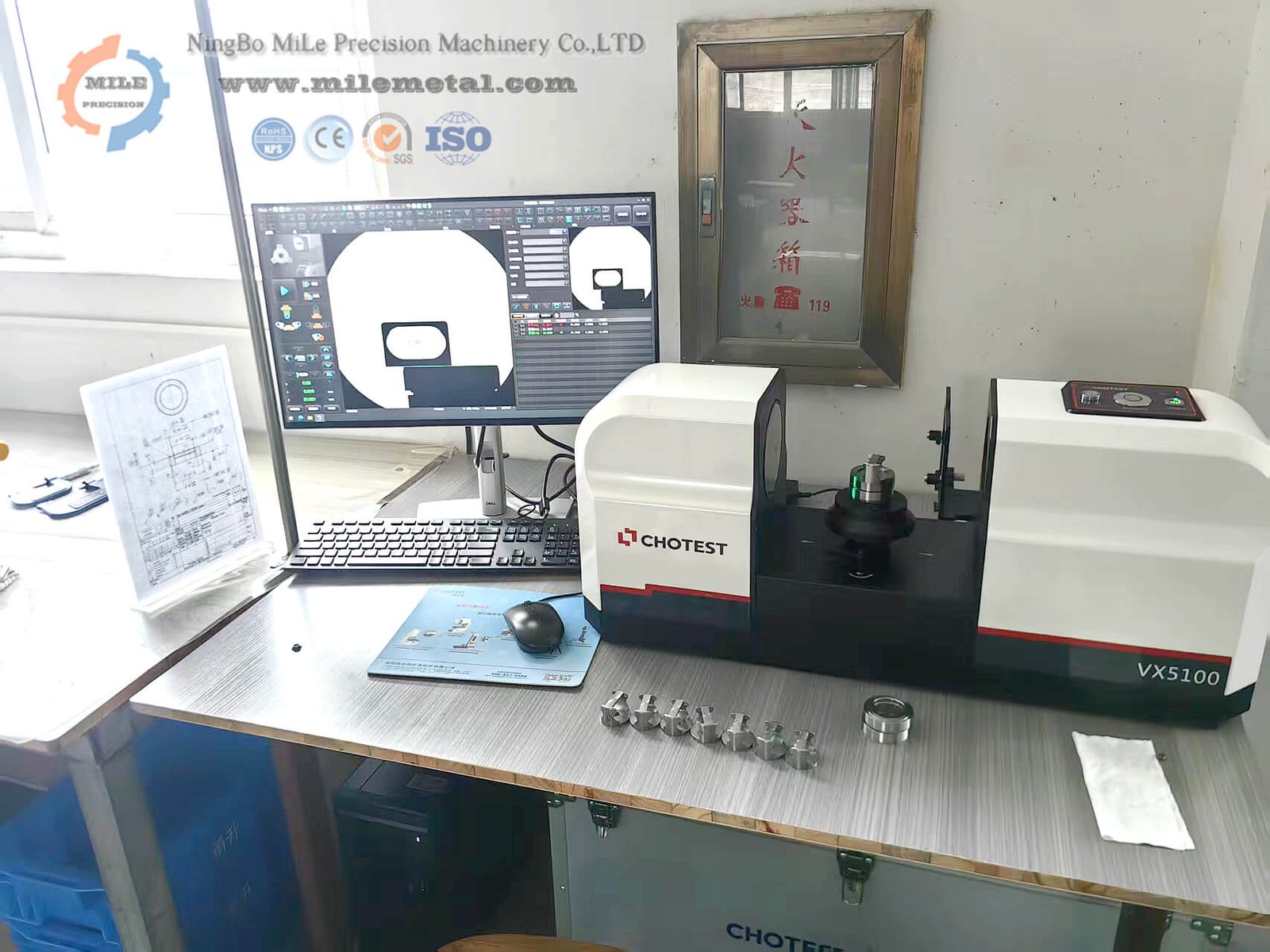
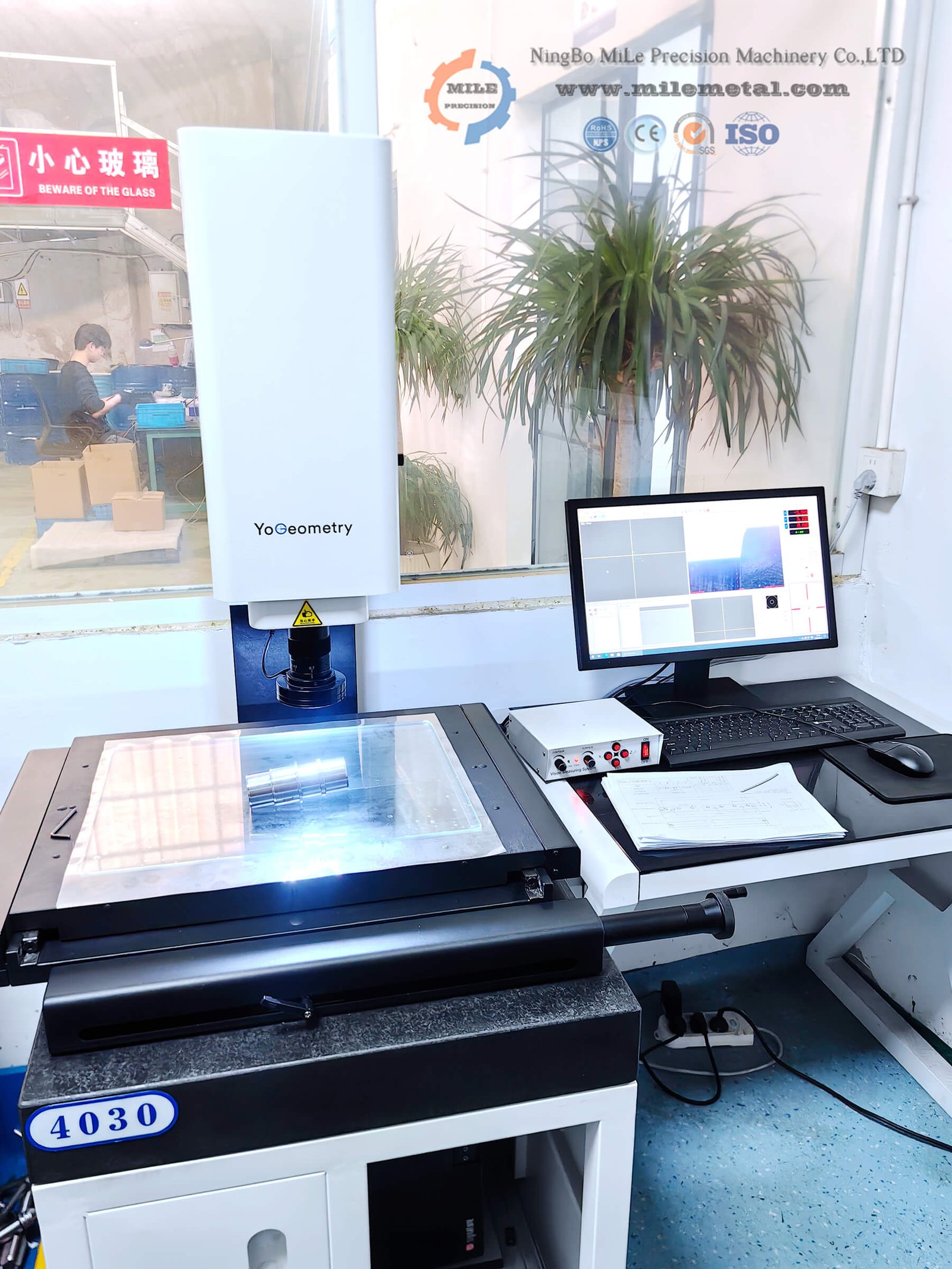
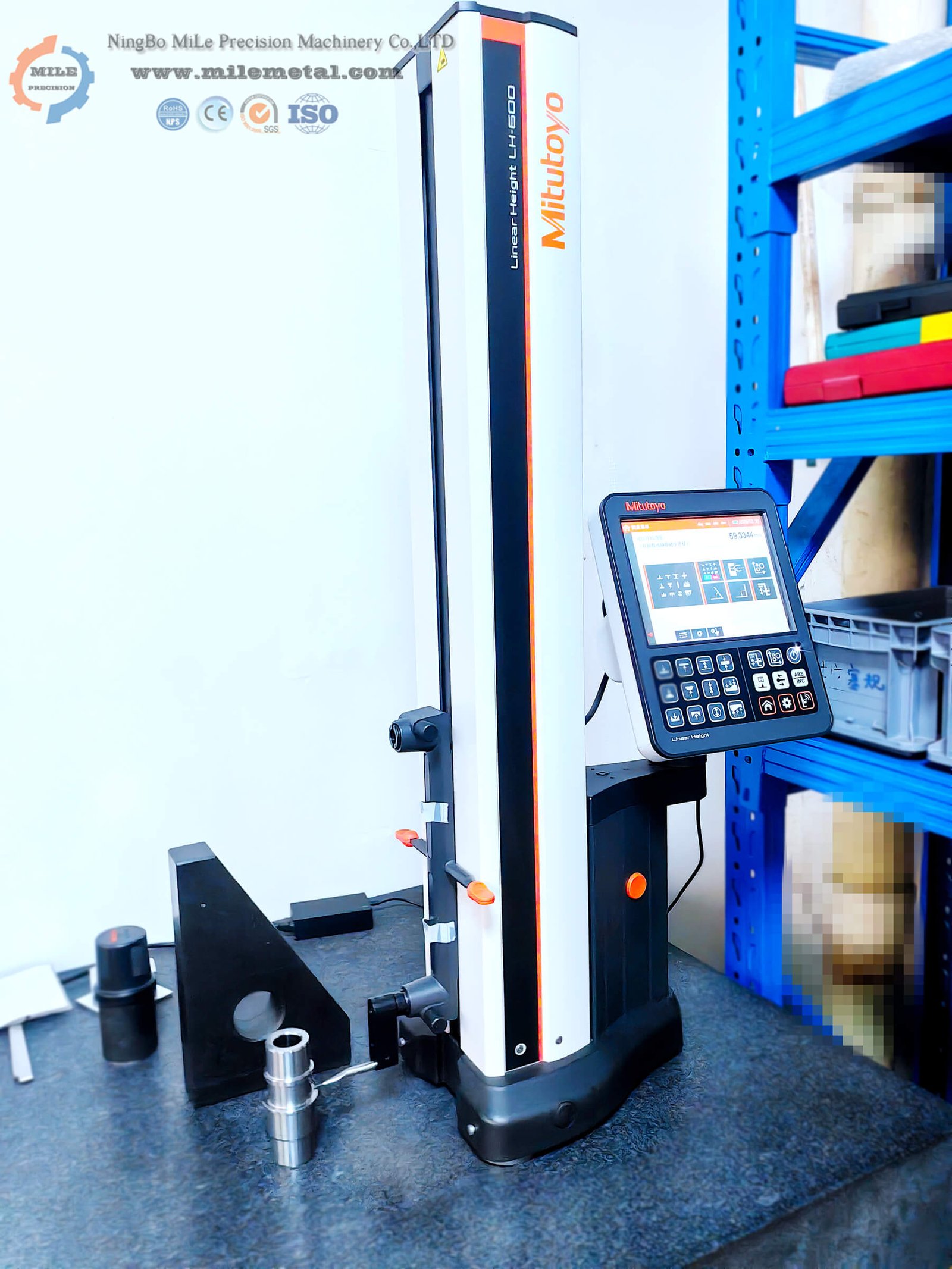
A CMM is especially valuable when a part has multiple datum surfaces, tight positional tolerances, deep machined pockets, precision bores, complex profiles or a requirement for formal inspection documentation. Calipers and micrometers are still useful for many shop-floor checks, but CMM measurement provides more repeatable data for critical features and first article inspection.
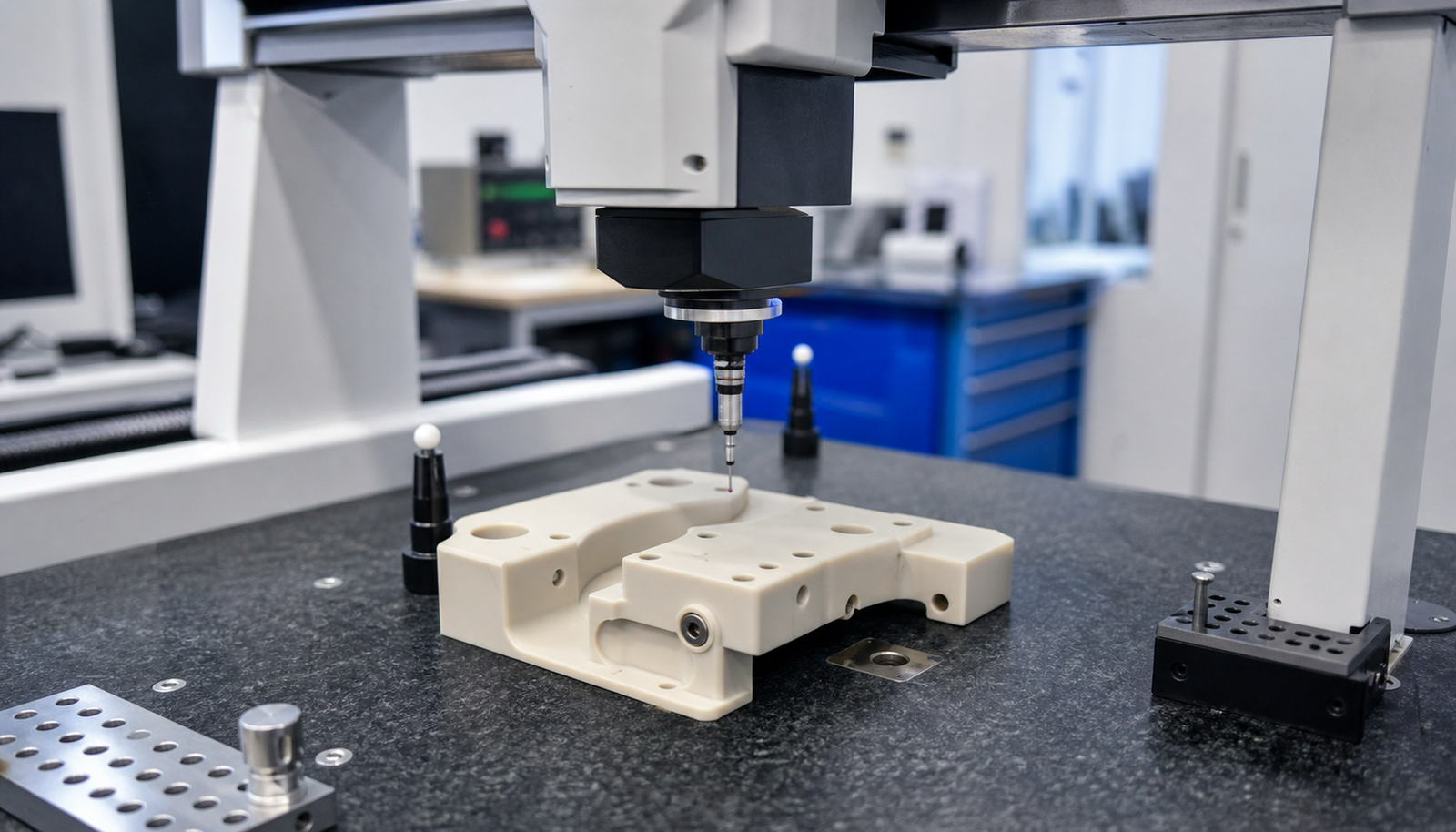
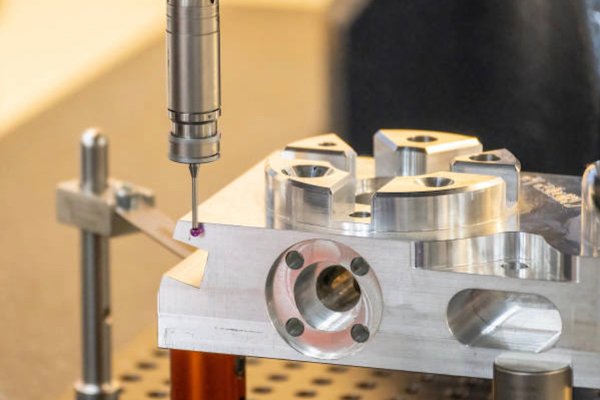
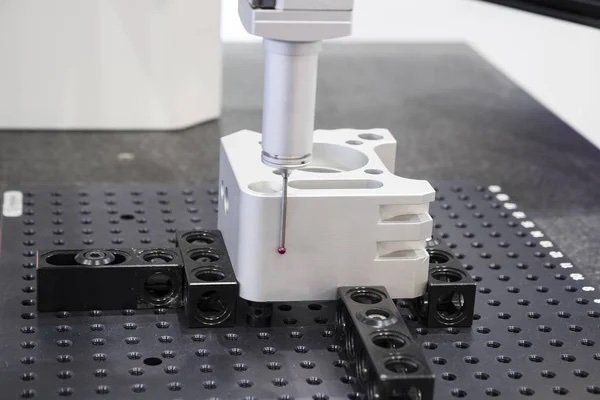
When Should CNC Parts Use CMM Measurement?
Not every dimension on every part needs full CMM inspection. The goal is to use CMM where the measurement method improves confidence, repeatability and documentation. For simple brackets or low-risk dimensions, standard gauges may be enough. For complex precision parts, CMM measurement helps prevent costly assembly problems.
Use CMM for critical dimensions, true position, flatness, profile and features that affect assembly.
Multi-axis machined parts, pockets, angled surfaces and compound profiles benefit from coordinate measurement.
FAI, PPAP-like packages, customer audits and high-value parts often require measured inspection records.
CMM Inspection Process for CNC Machined Parts
A reliable CMM process starts before the part reaches the inspection room. The drawing must identify critical features, datums and tolerance requirements. The machinist must protect the part from burrs, dents and fixture marks. The inspector must choose a measurement strategy that matches the part geometry and engineering risk.
Review drawing
Confirm datums, units, tolerances, GD&T callouts, surface finish and report requirements.
Prepare part
Clean chips, remove burrs and allow the part to stabilize before critical measurement.
Program CMM
Select probe, datum alignment, measurement path and points for important features.
Report results
Compare actual values with nominal values and mark pass, fail or review items clearly.
What Should Be Included in a CMM Inspection Report?
A good CMM report is not just a list of numbers. It should help the customer and supplier understand whether the part is acceptable, which features were checked and whether the inspection method matches the drawing intent. For precision CNC machined parts, the most useful reports are clear, traceable and easy to review.
| Report item | Why it matters | What to check |
|---|---|---|
| Part identification | Connects the report to the correct drawing, revision and production batch | Part number, drawing revision, material, quantity and date |
| Inspection method | Shows how features were measured | CMM, height gauge, micrometer, thread gauge, surface tester or visual check |
| Datum setup | Controls how geometric features are evaluated | Primary, secondary and tertiary datums match the drawing |
| Nominal and tolerance | Defines the accepted range for each feature | Nominal value, upper limit, lower limit and tolerance type |
| Measured value | Provides actual inspection evidence | Measured size, deviation and pass/fail result |
| Feature notes | Explains special cases that numbers alone may not show | Burrs, plating allowance, fixture effect, rework or visual condition |
CMM Inspection vs Calipers, Micrometers and Gauges
CMM inspection is powerful, but it should be used with the right expectations. A CMM is excellent for coordinate geometry, true position, profile, datum-based measurement and repeatable documentation. Calipers, micrometers, plug gauges and thread gauges remain efficient for quick in-process checks and simple features.
| Inspection tool | Best use | Limitations |
|---|---|---|
| CMM | Complex dimensions, GD&T, datum-based features, FAI reports | Requires setup, programming and controlled measurement conditions |
| Caliper | Fast shop-floor size checks and non-critical dimensions | Less reliable for tight tolerances, deep features and geometric relationships |
| Micrometer | Accurate outside diameter, thickness and shaft measurement | Limited to accessible features and simple geometry |
| Plug/thread gauge | Functional verification of holes and threads | Gives go/no-go results, not full coordinate data |
| Surface roughness tester | Surface finish verification | Does not confirm dimensional location or geometry |
Common CMM Inspection Challenges and How to Avoid Them
Many inspection problems come from unclear drawings, unstable setups, burrs, temperature changes or measuring too many non-critical features. These issues can slow the project and create confusion between supplier and customer. The best approach is to define the critical-to-function features early and agree on the inspection scope before production.
Use consistent datums that reflect how the part is assembled or functions in the final product.
Deburr carefully before inspection, especially around small holes, slots and sealing surfaces.
Allow precision parts to stabilize before measuring tight metal dimensions.
Do not require full CMM reporting for every non-critical dimension unless the project risk justifies it.
Specify whether dimensions apply before or after finishing, especially for bores and threaded parts.
Use CMM for geometry, gauges for functional fit and surface testers for finish requirements.
How to Prepare Drawings for Faster CMM Inspection
Good drawings reduce inspection time and help suppliers quote accurately. If a drawing contains many tight tolerances that are not functionally important, inspection time increases and cost rises. A cleaner drawing identifies what truly matters and lets the supplier choose practical measurement methods for the rest.
- Mark critical-to-function dimensions clearly.
- Define datum features that reflect real assembly conditions.
- Use GD&T for position, profile, flatness, perpendicularity and runout when size tolerance alone is not enough.
- Specify whether inspection applies before or after anodizing, plating, heat treatment or polishing.
- Request FAI or full CMM reports only for dimensions that need documented evidence.
- Share 3D CAD files when profile, compound angles or freeform surfaces need verification.
FAQ: CMM Inspection for CNC Machining
Is CMM inspection necessary for every CNC part?
No. CMM inspection is most useful for tight tolerance parts, complex geometry, GD&T features, first article inspection and parts that need formal documentation. Simple dimensions can often be checked with standard gauges.
Can CMM measure surface roughness?
A standard CMM verifies geometry and coordinate dimensions. Surface roughness is usually checked with a surface roughness tester. For critical parts, both CMM and roughness inspection may be required.
What is the difference between a CMM report and an inspection report?
A CMM report specifically contains coordinate measurement data from the CMM. A broader inspection report may also include material certificates, surface finish checks, thread gauges, visual inspection and functional testing.
Can CMM data be compared with a 3D CAD model?
Yes. Many CMM workflows use CAD comparison to evaluate measured points against the digital model, especially for profile tolerance and complex machined surfaces.
Need CMM inspection for custom CNC parts?
Send your 2D drawing, 3D model, material, tolerance requirements and report needs. Milemetal can review which dimensions require CMM measurement and prepare inspection documentation for prototype or production parts.