Surface Roughness Chart: Ra, Rz & RMS Guide
2026-05-18
CNC Machining Tolerances Explained: ISO 2768-mK, H7/g6 Fits and Practical Tables
2026-06-07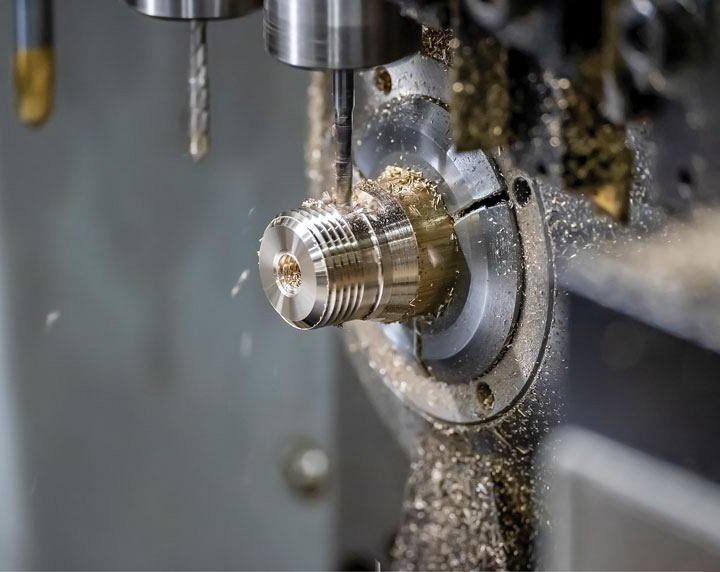
Design for CNC Machining Summary
| Design area | Best practice | Why it matters |
|---|---|---|
| Tolerances | Use tight tolerances only on functional features | Reduces machining, inspection, and scrap risk |
| Internal corners | Add practical radii instead of sharp inside corners | Allows stronger standard cutters and faster toolpaths |
| Pockets | Avoid deep, narrow cavities where possible | Reduces vibration, chatter, and long-tool machining |
| Holes | Use standard drill sizes and clear depth callouts | Simplifies drilling, reaming, tapping, and inspection |
| Threads | Specify thread type, pitch, and usable depth | Prevents ambiguity in blind and through holes |
| Walls | Keep wall thickness stable and supported | Improves dimensional stability during machining |
| Finishing | State whether dimensions apply before or after coating | Avoids assembly problems after anodizing, plating, or coating |
CNC Machining and Inspection Examples
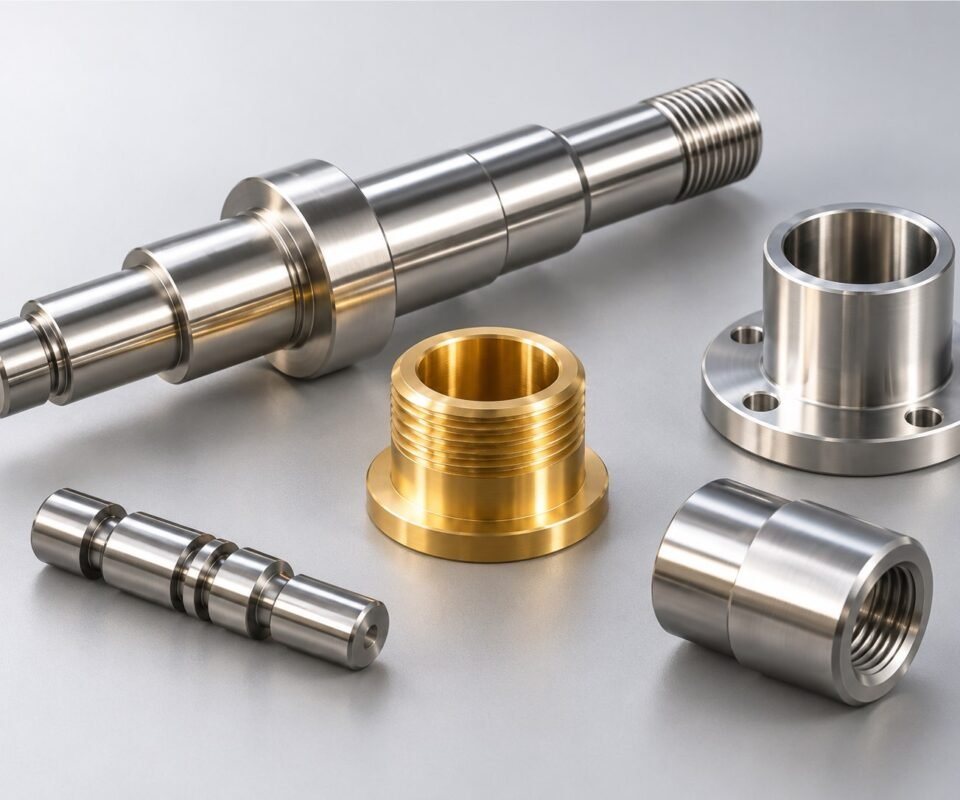
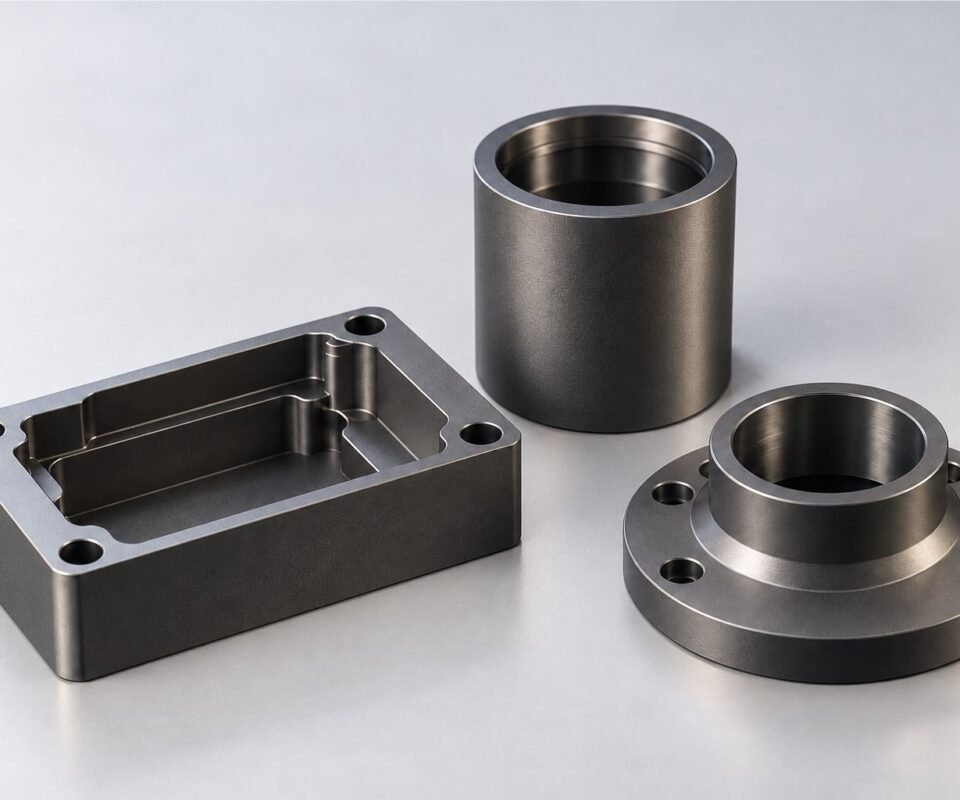
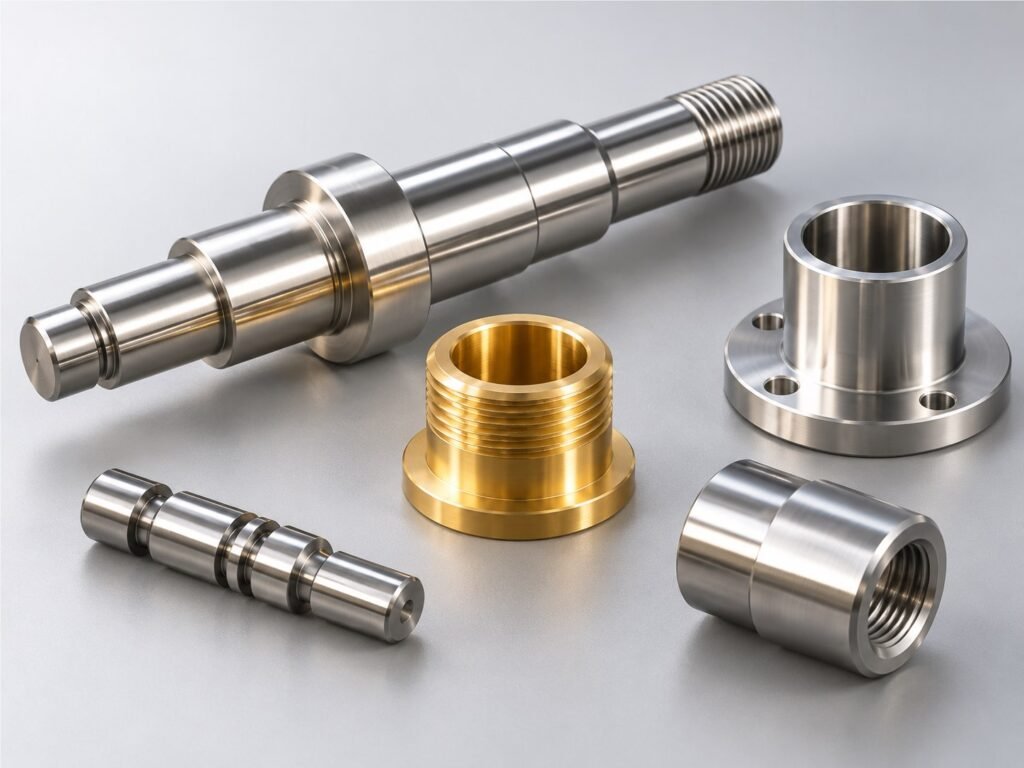
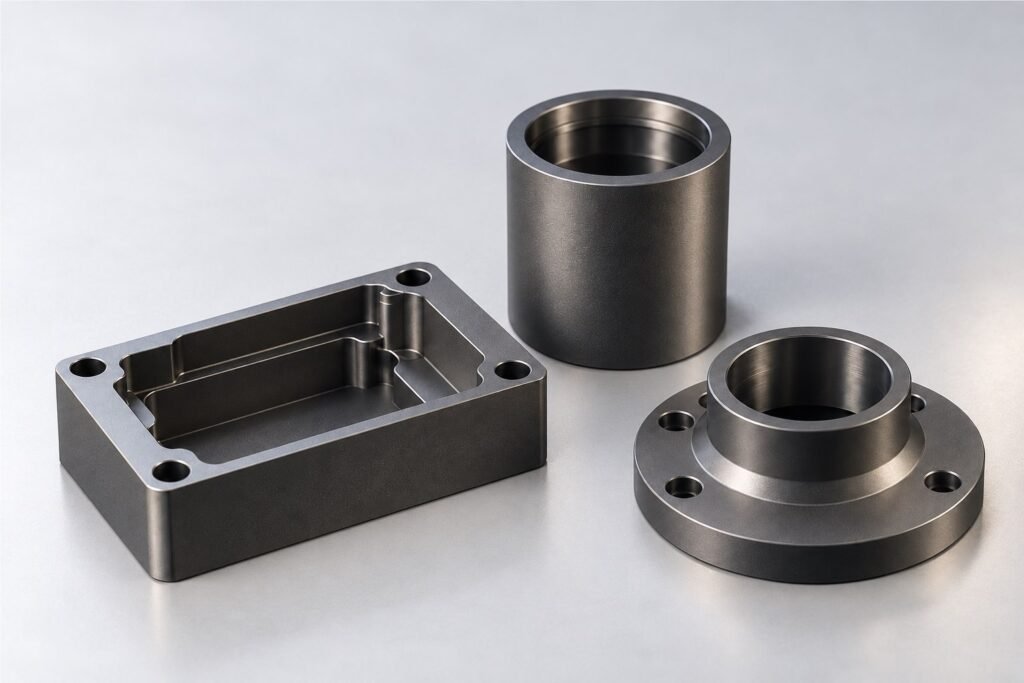
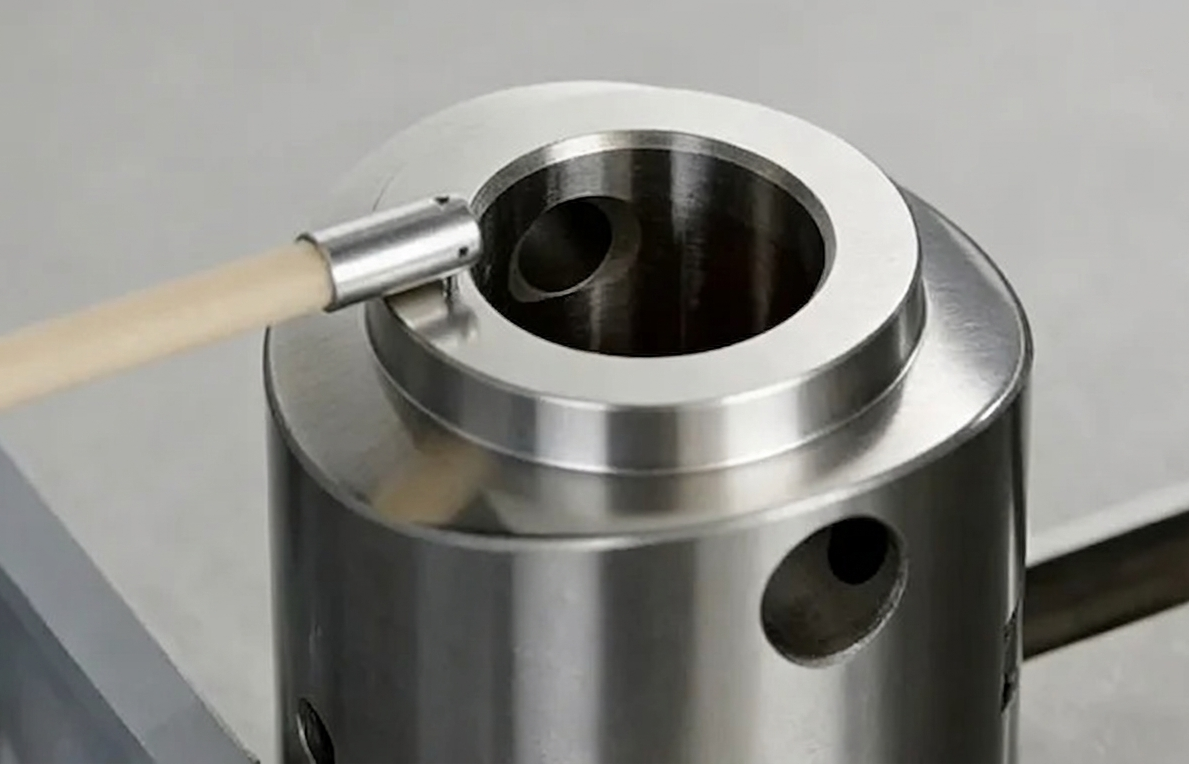
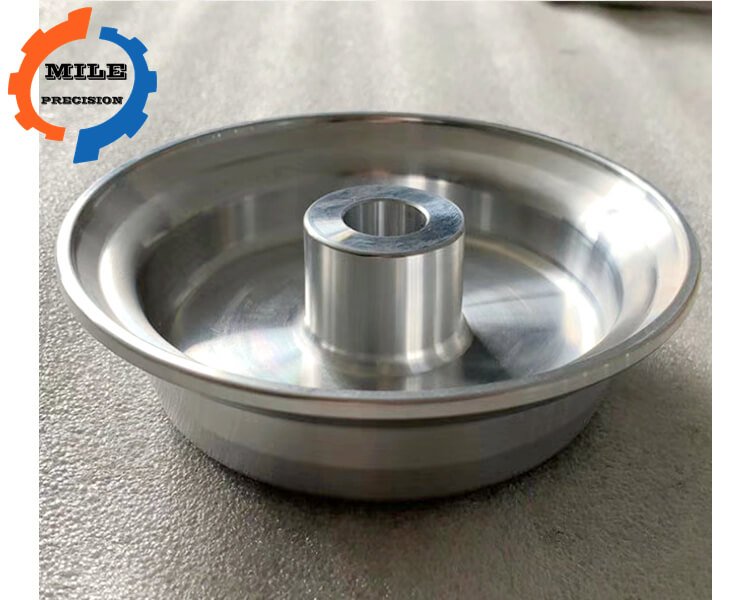
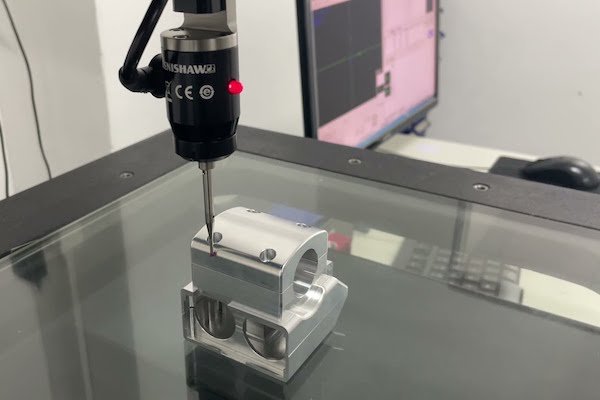
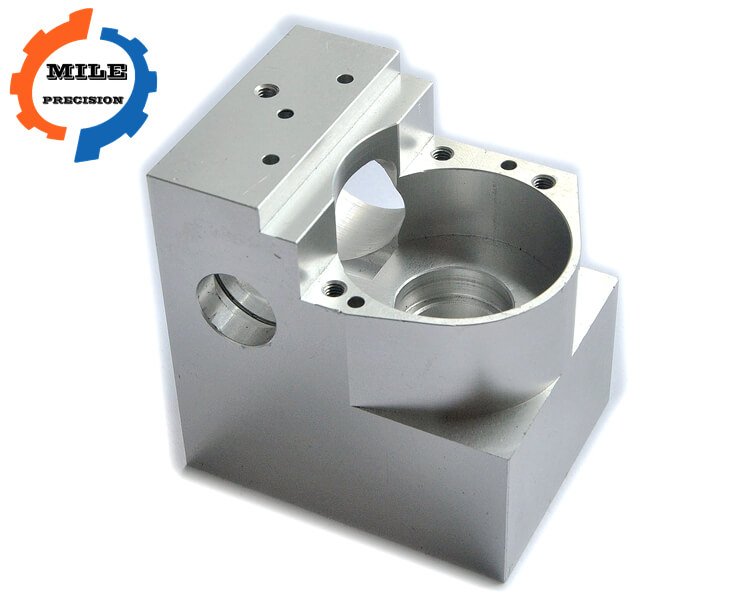
The examples below show typical manufacturing and inspection scenarios related to CNC DFM decisions: tool access, material selection, dimensional inspection, turning and milling, surface finishing, and precision component applications.



Why Design for CNC Machining Matters
CNC machining removes material with cutting tools. Every pocket, hole, shoulder, slot, thread, radius, and surface finish must be created by a tool following a real toolpath. When a feature requires a very long tool, a tiny cutter, multiple setups, or extra inspection, the cost rises quickly.
Good CNC DFM helps engineers and purchasing teams reduce avoidable quotation delays. It also helps suppliers identify which features are critical to function and which dimensions can follow standard machining practice. This is especially important for custom metal parts that must move from prototype to repeat production.
For complex parts, DFM review can reveal simple changes that preserve function while improving manufacturability: a larger internal radius, a shallower blind hole, a clearer datum scheme, a more machinable material, or a finish requirement applied only to working surfaces.
1. Keep Tolerances as Wide as the Function Allows
Tolerances are one of the largest cost drivers in CNC machining. A general dimension with standard tolerance can often be machined efficiently. A bearing seat, sealing face, dowel hole, shaft fit, or alignment feature may need a tighter tolerance and additional inspection.
The key is to separate functional dimensions from non-critical dimensions. Apply tight tolerances only where they affect assembly, motion, sealing, alignment, or safety. For clearance areas, cosmetic profiles, and non-mating surfaces, use standard tolerances when possible.
| Feature type | Recommended approach |
|---|---|
| Bearing fits, shaft seats, dowel holes | Define exact tolerance, datum, and inspection method |
| General milled profiles | Use standard CNC machining tolerance where possible |
| Decorative or non-contact surfaces | Avoid tight tolerance unless it affects function |
| Threads and tapped holes | Specify thread standard, depth, and engagement length |
2. Design Internal Corners with Realistic Radii
Because CNC milling tools are round, sharp internal corners are not normally produced by standard milling. If a pocket or slot has a 90-degree internal corner, the cutter will leave a radius. A smaller radius requires a smaller tool, which usually increases machining time and tool deflection risk.
When possible, use an internal corner radius that is slightly larger than the cutter radius. For example, if a 6 mm end mill can be used, an internal radius above 3 mm is easier to machine than a very small corner radius. If a sharp internal corner is truly required, explain the functional reason on the drawing so the supplier can consider EDM, broaching, or a design adjustment.
3. Avoid Deep Narrow Cavities
Deep pockets and narrow cavities often require long cutting tools. Long tools are more flexible, which can cause vibration, chatter marks, slower feed rates, and reduced dimensional accuracy. This is common in housings, brackets, mold components, and lightweight aluminum parts with deep rectangular pockets.
A better design is to reduce cavity depth, increase corner radii, open one side of the pocket, or split the part into multiple components if assembly allows. If a deep cavity is unavoidable, provide clear priority dimensions and acceptable surface finish requirements.
4. Choose Hole Sizes That Match Standard Drills
Standard drill sizes are faster and more economical than unusual hole diameters. If the hole is used only for clearance, choose a common drill size. If the hole is used for a press fit, dowel, bearing, or sealing feature, define the tolerance and finishing process clearly.
For deep holes, the depth-to-diameter ratio is important. Very deep small holes may require peck drilling, special tools, or secondary operations. When possible, avoid blind holes that are much deeper than necessary. If the hole must be deep, specify whether a drill point at the bottom is acceptable.
5. Specify Thread Depth and Engagement Clearly
Threaded holes are common in CNC machined parts, but over-specifying thread depth can add cost. A fully threaded blind hole to the very bottom is difficult and often unnecessary. In many assemblies, thread engagement of 1 to 1.5 times the screw diameter is enough, depending on material, load, and safety requirements.
On the drawing, specify thread type, pitch, class, depth, and whether the thread is through or blind. For example, an M6 threaded hole should state the usable thread depth and whether extra drill depth is allowed. This prevents confusion during machining and inspection.
6. Keep Wall Thickness Stable
Thin walls are more likely to vibrate or deform during machining, especially in aluminum and plastic parts. Stainless steel and other harder materials can also create heat and stress during cutting. If a wall is too thin, the machinist may need slower cutting parameters, special fixtures, or additional setups.
Where possible, use consistent wall thickness and add ribs, fillets, or support features. For parts that must remain lightweight, discuss the target strength, weight, and machining constraints early in the RFQ stage.
7. Reduce Unnecessary Setups
Every time a part must be rotated, re-clamped, or moved to another machine, there is added setup time and alignment risk. Features that can be machined from one side are usually more efficient than features spread across many orientations.
Before sending an RFQ, review whether all critical features are accessible from practical machining directions. If multiple sides must be machined, use datums and geometric tolerances to show which relationships are most important. This helps maintain accuracy while avoiding unnecessary over-control.
8. Match Material Selection to Function and Machinability
Material choice affects cutting speed, surface finish, tool wear, corrosion resistance, strength, and finishing options. Aluminum is often efficient for lightweight parts and prototypes. Stainless steel provides corrosion resistance but usually costs more to machine. Brass and copper can offer good conductivity and corrosion resistance, while alloy steels may be selected for strength or wear resistance.
If you are unsure which material is best, provide the application environment, load condition, temperature, corrosion exposure, and finishing requirements. A CNC machining supplier can then recommend a material that balances function, cost, and lead time.
9. Define Surface Finish Only Where Needed
Surface finish requirements should match function. A sealing face, sliding surface, or visible cosmetic surface may require a controlled finish. Other surfaces may only need standard machined finish. Applying a very fine finish to the entire part can increase machining and inspection cost without improving performance.
For anodizing, plating, polishing, black oxide, passivation, or powder coating, remember that finishing can change appearance, thickness, and sometimes dimensions. If a dimension is critical after coating, state whether tolerance applies before or after finishing.
10. Prepare a Complete RFQ Package
A complete RFQ helps suppliers quote faster and more accurately. For custom CNC parts, include:
- 3D model in STEP or IGS format
- 2D drawing in PDF format
- Material grade and any acceptable alternatives
- Quantity, annual demand, and expected reorder pattern
- Critical tolerances and inspection requirements
- Surface finish and coating requirements
- Application notes if the part has a special function
- Target lead time and shipping destination
If your design is still being finalized, Milemetal can review drawings and point out features that may increase machining cost or risk. Early feedback is often the fastest way to reduce avoidable changes before production.
CNC Machining DFM Checklist
- Are tight tolerances limited to functional features?
- Do internal corners have realistic radii?
- Can pockets and cavities be reached by standard tools?
- Are hole sizes and thread depths clearly specified?
- Is wall thickness strong enough for machining and use?
- Can most features be machined with fewer setups?
- Are material and surface finish requirements clearly stated?
- Does the RFQ include both 3D model and 2D drawing?
Work with Milemetal on Custom CNC Machined Parts
Design for CNC machining is a practical collaboration between product design and manufacturing. A small change to a radius, tolerance, hole depth, or setup direction can make a part easier to machine while preserving its intended function.
Milemetal supports custom CNC milling, CNC turning, screw machining, casting-related machining, surface finishing, and inspection for metal components. Send drawings, models, material, quantity, and finishing requirements for review.
FAQ
What is design for CNC machining?
Design for CNC machining is the process of designing a part so it can be machined efficiently, accurately, and consistently with available tools, materials, fixtures, and inspection methods.
Why do internal corner radii matter in CNC milling?
Internal corners are made by round cutting tools, so very small internal radii require smaller tools and longer machining time. Larger radii usually improve tool access and reduce cost.
How can I reduce CNC machining cost?
You can reduce cost by using standard tolerances where possible, avoiding deep narrow pockets, choosing standard hole sizes, simplifying setups, and clearly defining only the features that are critical to function.
What files should I send for a CNC machining quote?
Send a STEP or IGS 3D model, a PDF drawing, material requirements, quantity, surface finish, critical tolerances, and any inspection or packaging requirements.