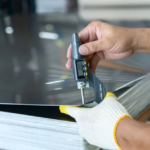
Sheet Metal Thickness Gauge Chart: Gauge to mm and Inches
2026-06-15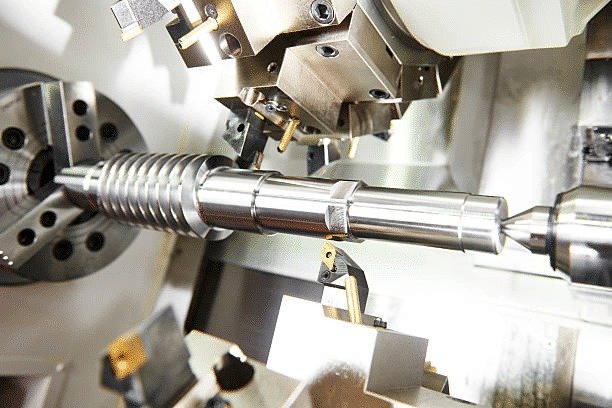
CNC Machining Size Limitations: Work Envelope and Design Guide
2026-06-18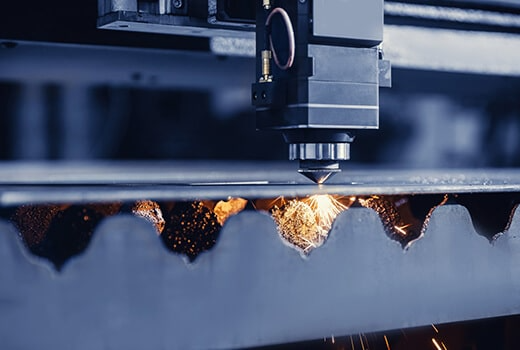
Sheet Metal Fabrication Overview: Processes, Materials, Parameters and Design Rules
Sheet metal fabrication turns flat metal sheet into brackets, enclosures, covers, panels, chassis, guards and assemblies through cutting, forming, joining and finishing. This guide explains the complete fabrication workflow, common processes, material choices, thickness ranges, bend parameters, tolerances, cost drivers and inspection points for custom sheet metal parts.
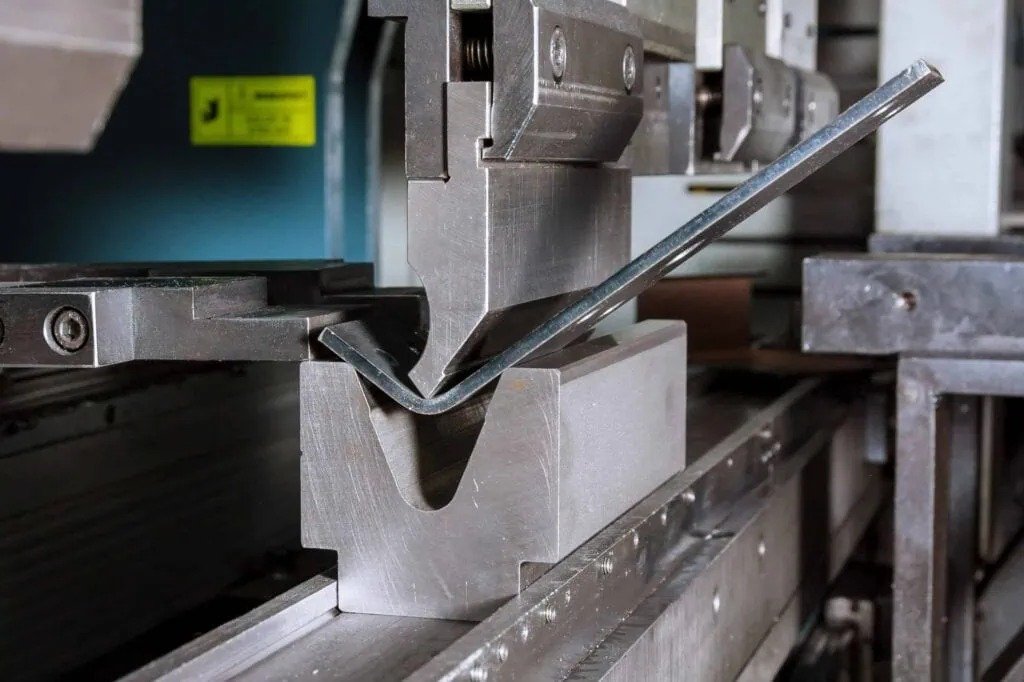
What Is Sheet Metal Fabrication?
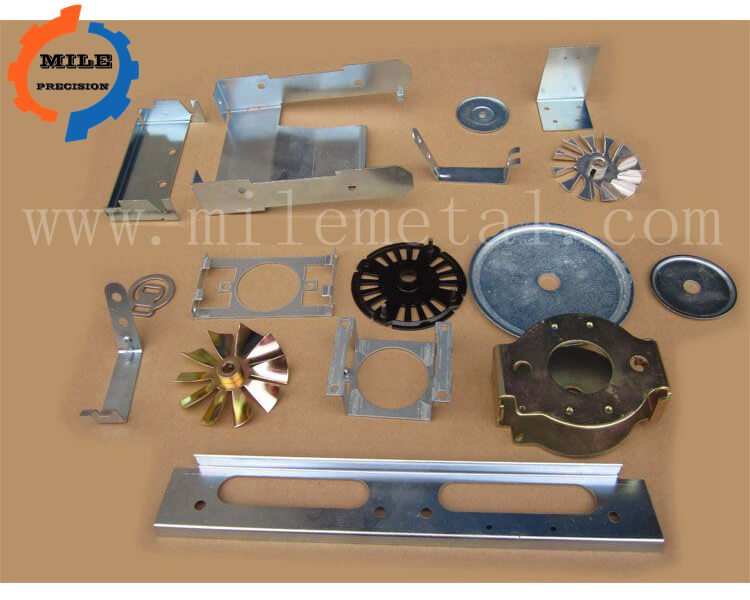
Sheet metal fabrication is the manufacturing process of cutting, bending, forming, joining and finishing flat sheet metal into functional parts or assemblies. It is widely used for electronic enclosures, industrial brackets, machine covers, automotive panels, appliance parts, medical equipment, control boxes, shields, racks and custom hardware.
The main advantage of sheet metal fabrication is that it can produce strong, lightweight and repeatable parts without expensive hard tooling for every design. Laser cutting and press brake bending make it suitable for prototypes, low-volume production and repeat batches. When volumes rise, punching, stamping, progressive tooling or automated bending may reduce unit cost.
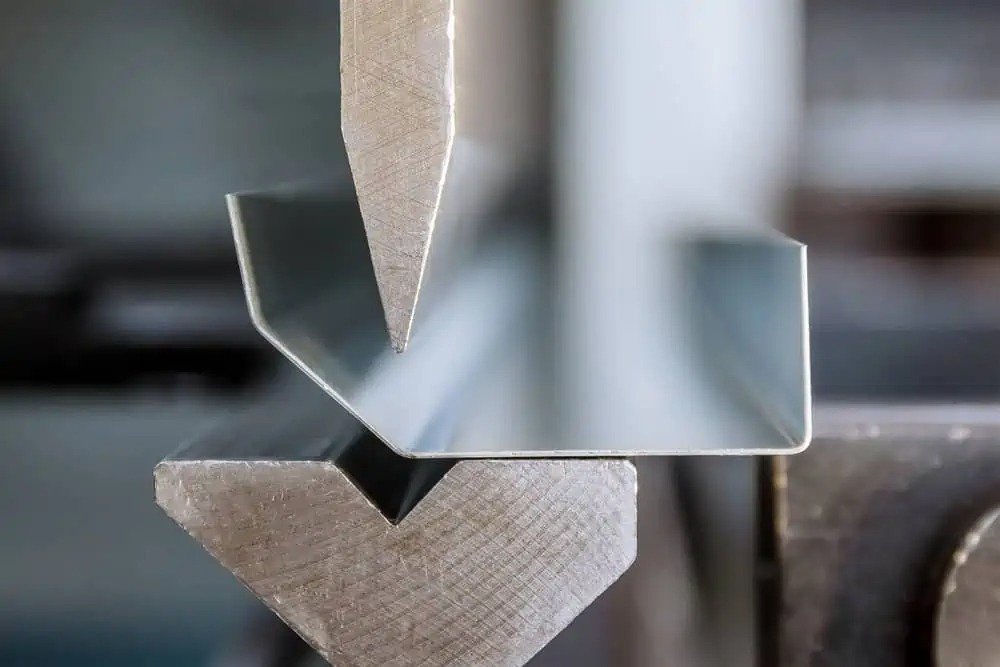
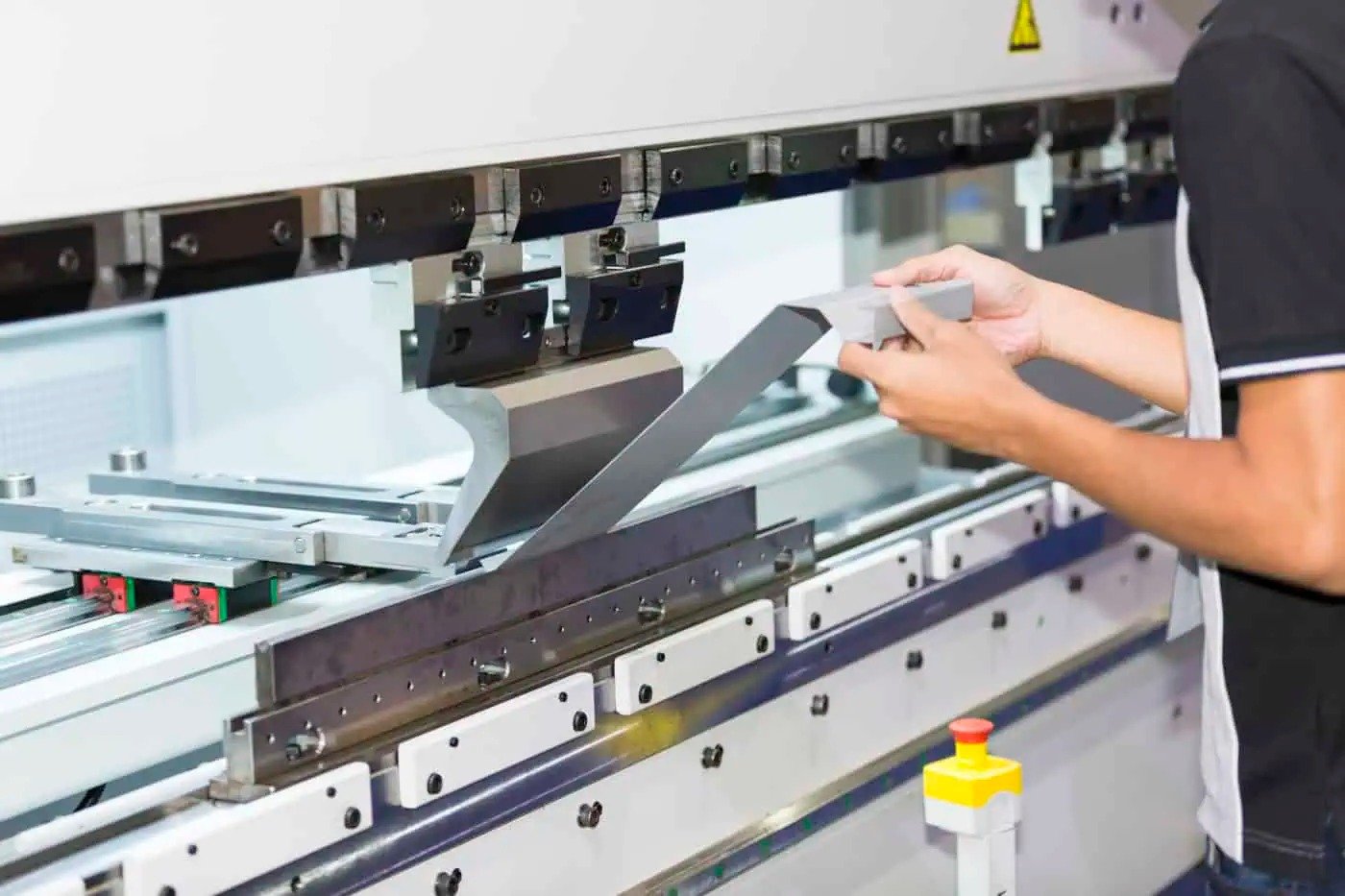
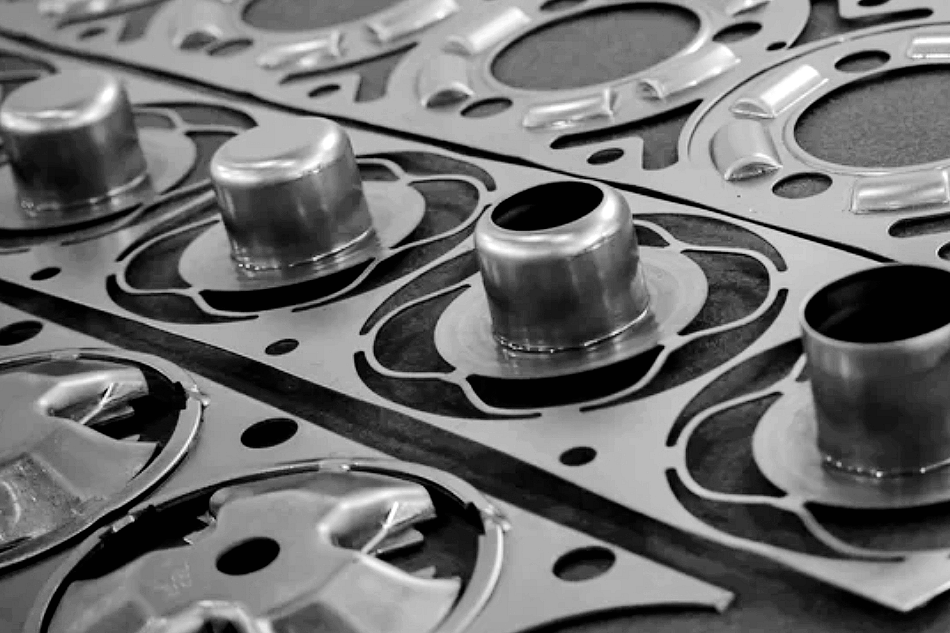
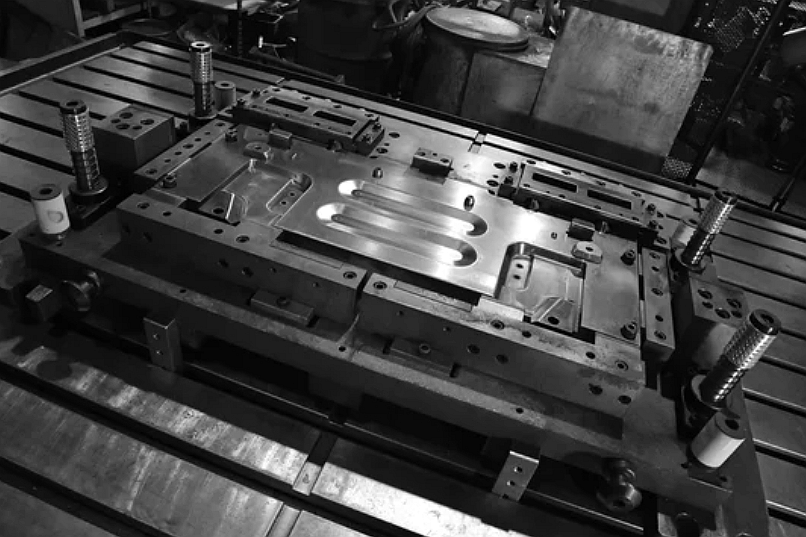

Typical Sheet Metal Fabrication Workflow
Design review
Confirm material, thickness, bend radius, tolerances, hardware, finish and manufacturability.
Blank cutting
Cut the flat profile by laser, punching, waterjet, plasma or shearing.
Forming
Bend, fold, roll, emboss, countersink or form features using press brake or forming tools.
Joining and finish
Add hardware, weld or rivet assemblies, deburr, finish and inspect the final part.
Sheet Metal Fabrication Process Comparison
Different fabrication processes solve different problems. Laser cutting is flexible, punching is fast for repeated holes, bending creates structure, welding joins assemblies and finishing protects the surface.
| Process | What it does | Typical thickness range | Best for | Design notes |
|---|---|---|---|---|
| Laser cutting | Cuts 2D profiles, holes and slots from flat sheet | 0.5-12 mm depending on material and machine | Prototypes, complex profiles, low to medium volume | Small holes, heat-affected edge and kerf should be reviewed. |
| Punching / turret punching | Punches holes, louvers, forms and repeated features | 0.5-6 mm commonly | Repeated holes, ventilation panels, medium volume | Tooling size limits and minimum spacing matter. |
| Shearing | Cuts straight lines using blades | Thin to medium sheet | Rectangular blanks and simple profiles | Not suitable for complex contours. |
| Waterjet cutting | Cuts without heat using abrasive water | Wide range | Thick sheet, heat-sensitive materials, low thermal distortion | Slower than laser for many thin sheets. |
| Press brake bending | Forms flanges, channels and bracket geometry | 0.5-8 mm commonly | Enclosures, brackets, covers, chassis | Bend radius, flange length and hole distance must be designed correctly. |
| Rolling | Forms cylinders, arcs and curved panels | Depends on roller capacity | Covers, cones, tanks, curved guards | Springback and seam location affect final geometry. |
| Welding | Joins sheet metal parts permanently | Material dependent | Assemblies, frames, boxes, sealed components | Heat distortion and weld access should be planned early. |
| Riveting / PEM hardware | Adds fasteners, studs, nuts, standoffs or mechanical joints | Hardware dependent | Enclosures, panels and serviceable assemblies | Minimum sheet thickness and hole size must match hardware specs. |
| Surface finishing | Protects, colors or improves surface appearance | All common sheet sizes | Cosmetic, corrosion-resistant and branded parts | Mask holes, threads, grounding pads and tight assembly faces if needed. |
Key Sheet Metal Fabrication Parameters
| Parameter | Typical starting point | Why it matters | Risk if ignored |
|---|---|---|---|
| Material thickness | 0.5-6.0 mm for many precision fabricated parts | Controls stiffness, weight, bend force and hardware selection | Parts may be too weak, too heavy or impossible to bend. |
| Inside bend radius | Often near 1 x material thickness for ductile materials | Prevents cracking and controls flat pattern length | Cracking, wrong flange length or tooling mismatch. |
| Hole-to-bend distance | At least 2.5T + R when possible | Prevents hole distortion during bending | Elongated holes and assembly mismatch. |
| Minimum flange length | Often about 4T + R for early design review | Ensures the flange can sit in the V-die | Short flanges may form inaccurately. |
| Cutting kerf | Process and thickness dependent | Affects slots, tabs, small holes and fit-up | Loose joints, undersized slots or poor tab fit. |
| Flatness | Depends on thickness, cut process, bends and welding | Important for covers, panels, sealing and assemblies | Rocking panels, gaps and visual distortion. |
| Surface finish thickness | Powder coating and plating add material | Affects holes, slots, threads, grounding points and appearance | Parts may not assemble after finishing. |
Cutting Processes: Laser, Plasma, Flame and Waterjet
Cutting is usually the first manufacturing step in sheet metal fabrication. The best cutting method depends on material, thickness, tolerance, edge quality, heat sensitivity, lead time and cost. Laser cutting is the most common option for precision sheet metal parts, but plasma, flame and waterjet cutting are still useful in the right applications.
| Cutting process | How it works | Typical materials | Typical thickness range | Advantages | Design notes |
|---|---|---|---|---|---|
| Laser cutting | A focused laser beam melts or vaporizes the cut path with assist gas | Carbon steel, stainless steel, aluminum, brass and some copper alloys | Thin to medium sheet; commonly 0.5-20 mm depending on machine and material | High precision, narrow kerf, clean profiles, good for complex shapes and small holes | Check minimum hole size, heat tint on stainless, reflective material limits and edge quality requirements. |
| Plasma cutting | An ionized gas arc melts electrically conductive metal along the cut path | Steel, stainless steel, aluminum and other conductive metals | Medium to thick plate; often about 3-50 mm depending on equipment | Fast cutting for thicker conductive metals and lower cost than laser for heavy plate | Kerf is wider than laser, edges may have taper and dross, and precision is lower for small features. |
| Flame cutting | Oxy-fuel torch heats steel and oxygen oxidizes the cut path | Mainly carbon steel and low-alloy steel | Thick plate; commonly 10 mm to very thick sections | Economical for thick carbon steel plates and simple profiles | Not suitable for stainless or aluminum; heat affected zone, scale and distortion must be considered. |
| Waterjet cutting | High-pressure water with abrasive particles erodes the material without heat | Steel, stainless, aluminum, copper, titanium, plastics, rubber, composites and stone | Wide range from thin sheet to thick plate depending on tolerance and speed | No heat affected zone, good for heat-sensitive materials and thick mixed materials | Slower than laser on many thin sheets; edge taper and abrasive cost should be considered. |
The part needs tight profiles, many holes, clean edges, short lead time and good repeatability in thin or medium sheet.
The part is a thicker conductive metal plate where speed and cost are more important than fine detail.
The part is thick carbon steel with simple geometry and later machining or grinding is acceptable.
The material is heat-sensitive, thick, reflective, mixed-material, or cannot tolerate thermal distortion.
Slots, tabs and small holes should account for the process kerf, taper and minimum feature size.
Thick plate cutting may need deburring, grinding, machining, tapping or edge finishing after cutting.
Relative Process Fit Chart
The chart below compares common fabrication methods by practical suitability for precision sheet metal work. Higher bars indicate stronger suitability for that specific purpose.
Common Sheet Metal Materials
| Material | Advantages | Formability | Common finishes | Typical parts |
|---|---|---|---|---|
| 5052 aluminum | Lightweight, corrosion resistant, good bending | Excellent | Anodizing, powder coating, brushing | Enclosures, covers, panels and brackets |
| 6061 aluminum | Higher strength and good machinability | Moderate | Anodizing, hard anodizing, powder coating | Stronger brackets and machined-fabricated parts |
| 304 stainless steel | General corrosion resistance and clean appearance | Good | Passivation, brushing, polishing | Food, medical, kitchen and industrial covers |
| 316L stainless steel | Better chloride corrosion resistance | Good | Passivation, electropolishing, brushing | Marine, chemical and harsh environment parts |
| Low carbon steel | Low cost, easy forming, good weldability | Excellent | Zinc plating, powder coating, painting | Indoor brackets, machine covers and chassis |
| Galvanized steel | Pre-coated corrosion protection | Good | Usually used as supplied or painted | HVAC, outdoor covers and utility panels |
| Copper / brass | Conductivity and decorative appearance | Good depending on temper | Polishing, tin, nickel, silver or clear coating | Bus bars, shields, contacts and decorative panels |
Design Rules for Sheet Metal Fabrication
Consistent radii reduce tool changes and improve repeatability.
Place holes and slots far enough from bend lines to avoid distortion.
PEM nuts, studs, standoffs and rivets need correct hole sizes and sheet thickness.
Reliefs help avoid tearing, bulging and interference at flange intersections.
Cosmetic sides, brushing direction, weld grinding and coating expectations should be clear.
Formed sheet metal tolerances differ from machined part tolerances, especially after welding.
- Specify material grade, thickness, finish and tolerance standard on the drawing.
- Use bend radii that match available tooling and material ductility.
- Avoid tiny tabs, narrow slots and sharp internal corners where possible.
- Confirm whether dimensions apply before or after coating.
- Use fixtures or datum schemes for parts with multiple bends or welded assemblies.
- For high cosmetic parts, define acceptable tool marks, scratches and rack marks.
Sheet Metal Tolerances and Quality Control
Sheet metal quality control should focus on the features that affect assembly and function. Laser-cut profiles may be accurate before bending, but forming, welding and finishing can change hole positions, angles and flatness. Inspection plans should use the same datums that the assembly uses.
| Inspection item | Common method | Why it matters |
|---|---|---|
| Material thickness | Caliper, micrometer or material certificate | Controls weight, stiffness and bend behavior |
| Cut profile and holes | CMM, optical inspection, calipers or go/no-go gages | Controls assembly fit and hardware location |
| Bend angle and flange length | Angle gage, height gage, fixture or CMM | Controls final geometry and enclosure fit |
| Flatness and twist | Surface plate, fixture or CMM | Important for covers, panels and welded assemblies |
| Hardware installation | Thread gage, pull test, torque check or visual inspection | Ensures PEM hardware, rivets and weld nuts work correctly |
| Surface finish | Visual standard, coating thickness, adhesion or salt spray test | Controls appearance and corrosion resistance |
FAQ: Sheet Metal Fabrication
What are the main sheet metal fabrication processes?
The main processes are cutting, punching, bending, forming, welding, riveting, hardware insertion, deburring and surface finishing.
What materials are commonly used for sheet metal fabrication?
Common materials include aluminum 5052 and 6061, stainless steel 304 and 316L, low carbon steel, galvanized steel, copper and brass.
What thickness is used for sheet metal parts?
Many precision sheet metal parts use 0.5 mm to 6.0 mm thickness, but the correct value depends on strength, stiffness, weight, forming method and hardware requirements.
Does sheet metal fabrication need tooling?
Laser cutting and press brake bending can produce many custom parts with standard tooling. Stamping, deep drawing and high-volume forming may require dedicated tooling.
How should I reduce sheet metal fabrication cost?
Use standard material thickness, consistent bend radii, realistic tolerances, fewer setups, fewer welds, standard hardware and finish requirements that match the actual environment.
Need custom sheet metal fabrication?
Send your drawing, material, thickness, finish, quantity and assembly requirements. Milemetal can review manufacturability, bend design, hardware and inspection requirements before production.