
Sheet Metal Fabrication Overview: Processes and Design Guide
2026-06-15
Steel Hardening Guide: Heat Treatment, Case Hardening and Design Tips
2026-06-18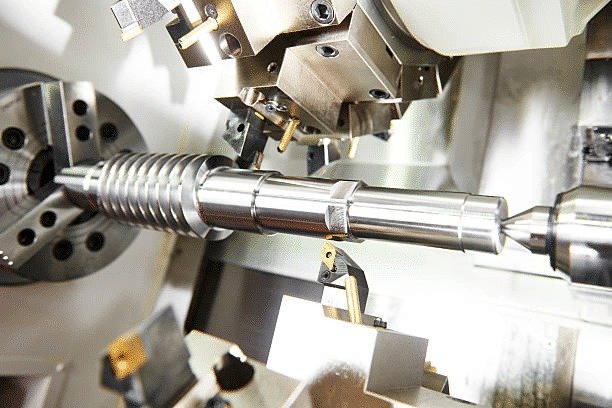
CNC Machining Size Limitations: Work Envelope, Part Size, Tool Reach and Design Rules
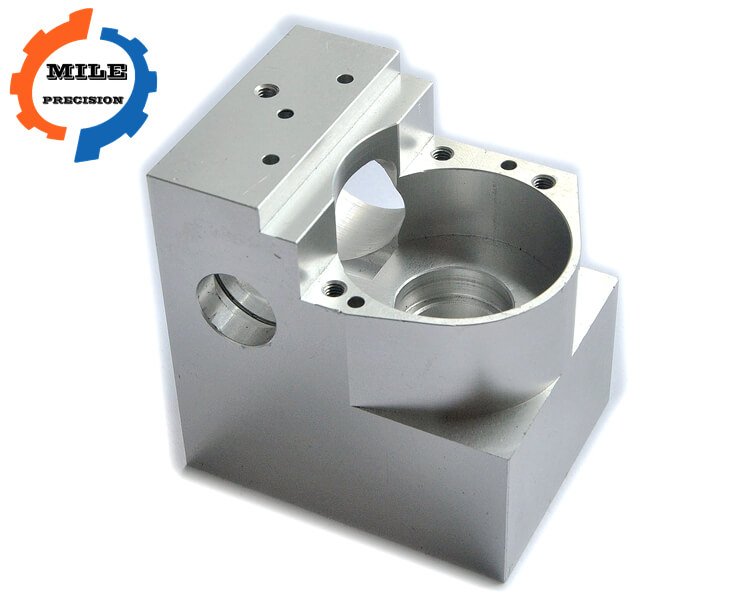
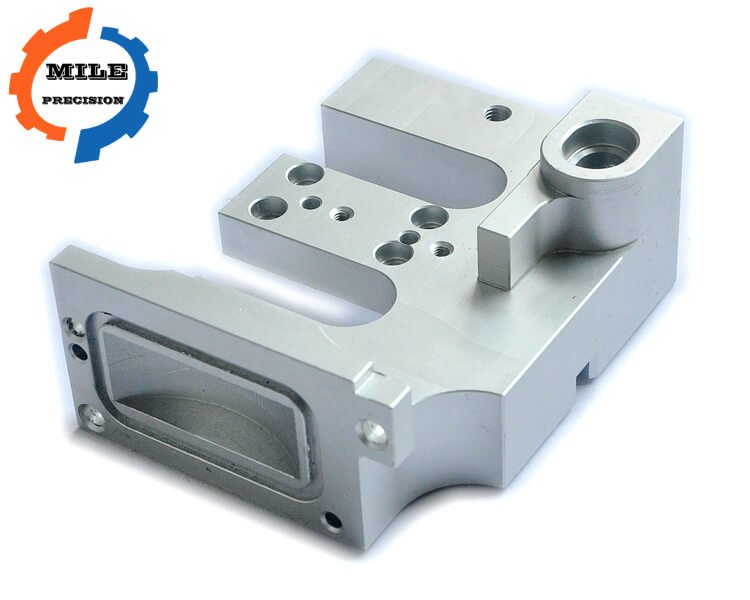
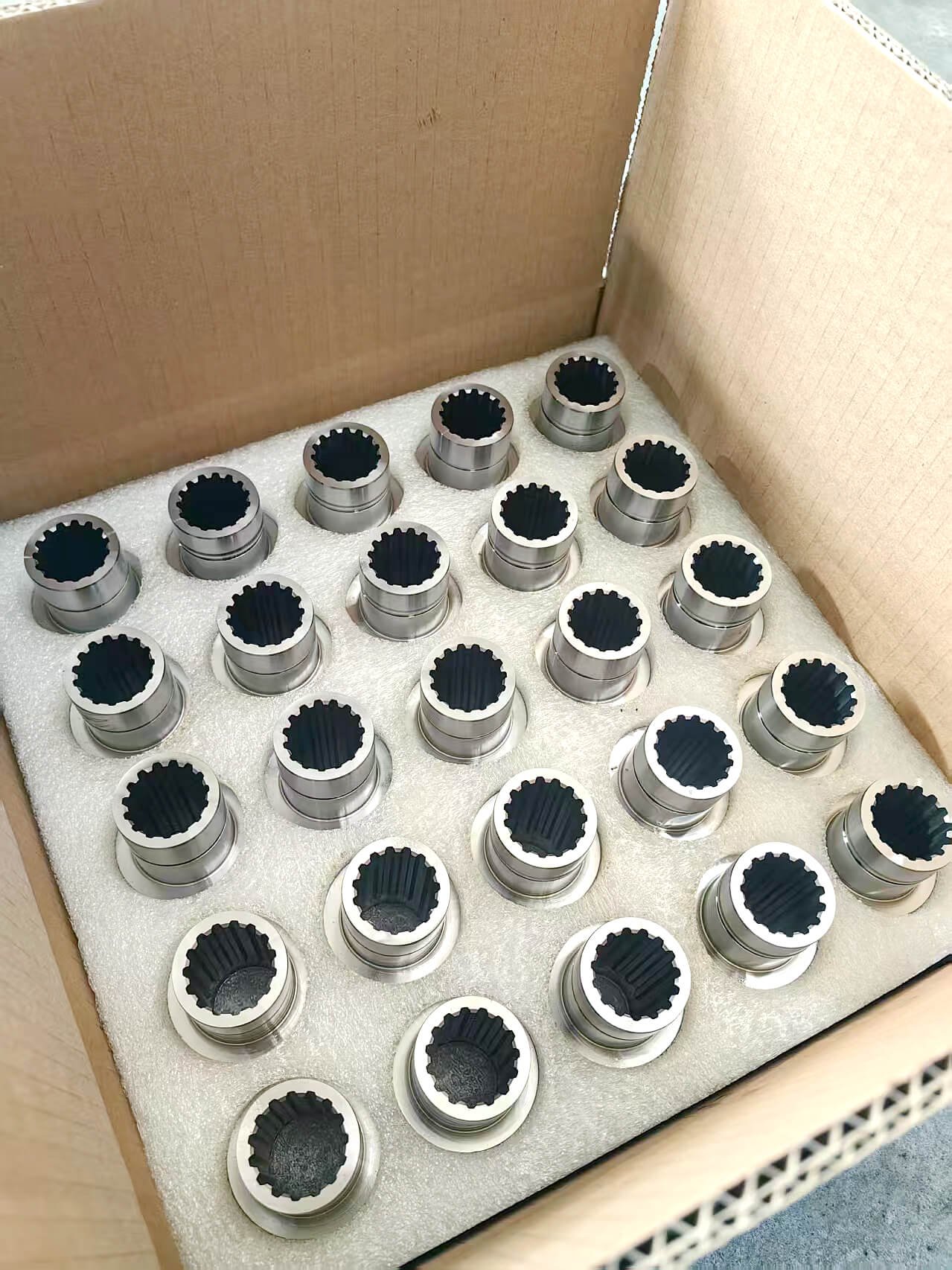
CNC machining can produce everything from tiny Swiss-turned pins to large plates and housings, but every project has size limits. Machine travel, table load, chuck diameter, turning swing, tool reach, fixture access, raw stock size, inspection equipment and shipping all affect whether a part can be machined in one setup. This guide explains practical CNC machining size limitations and how to design large or long parts for manufacturability.
What Controls CNC Machining Size Limits?
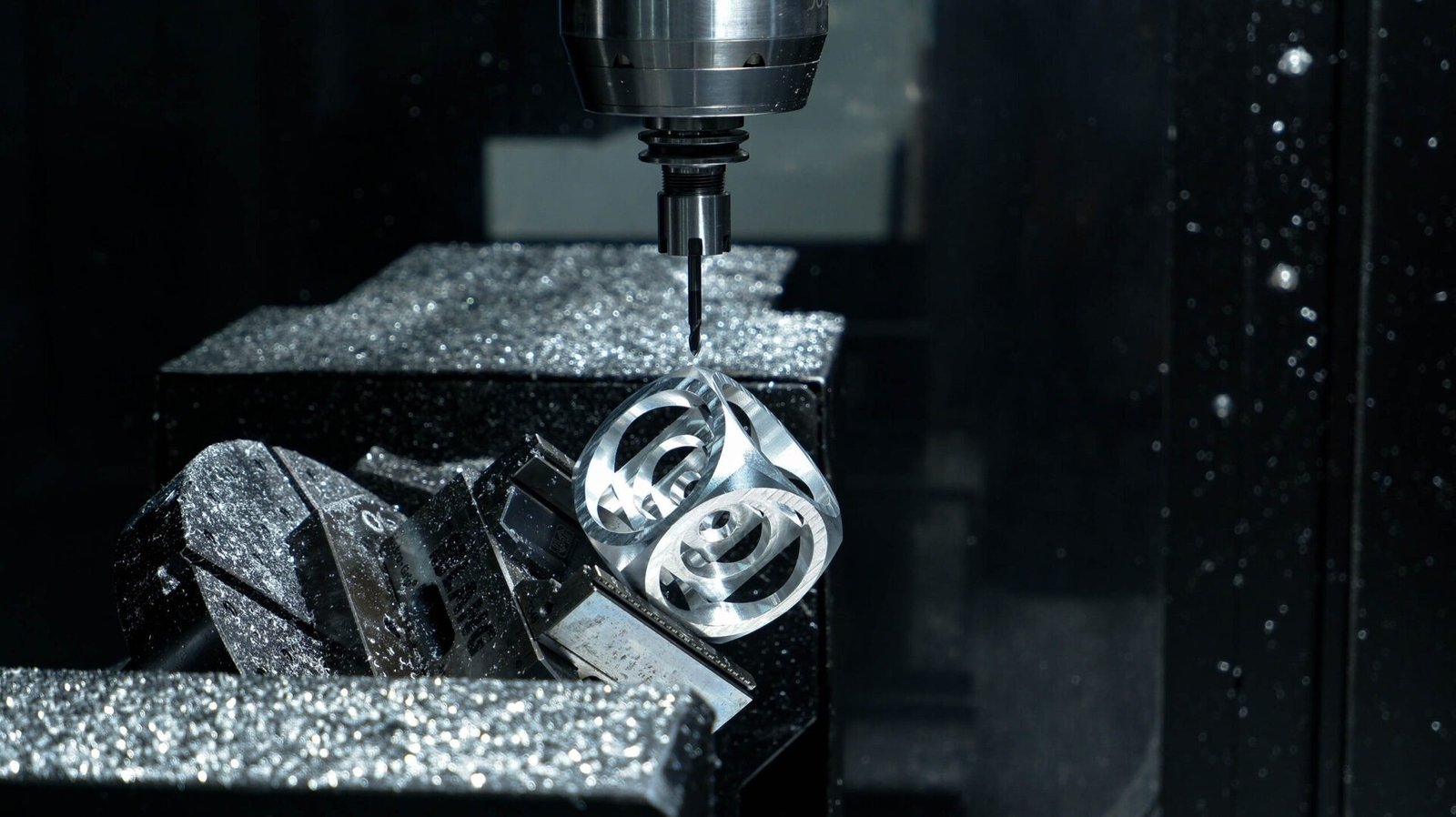
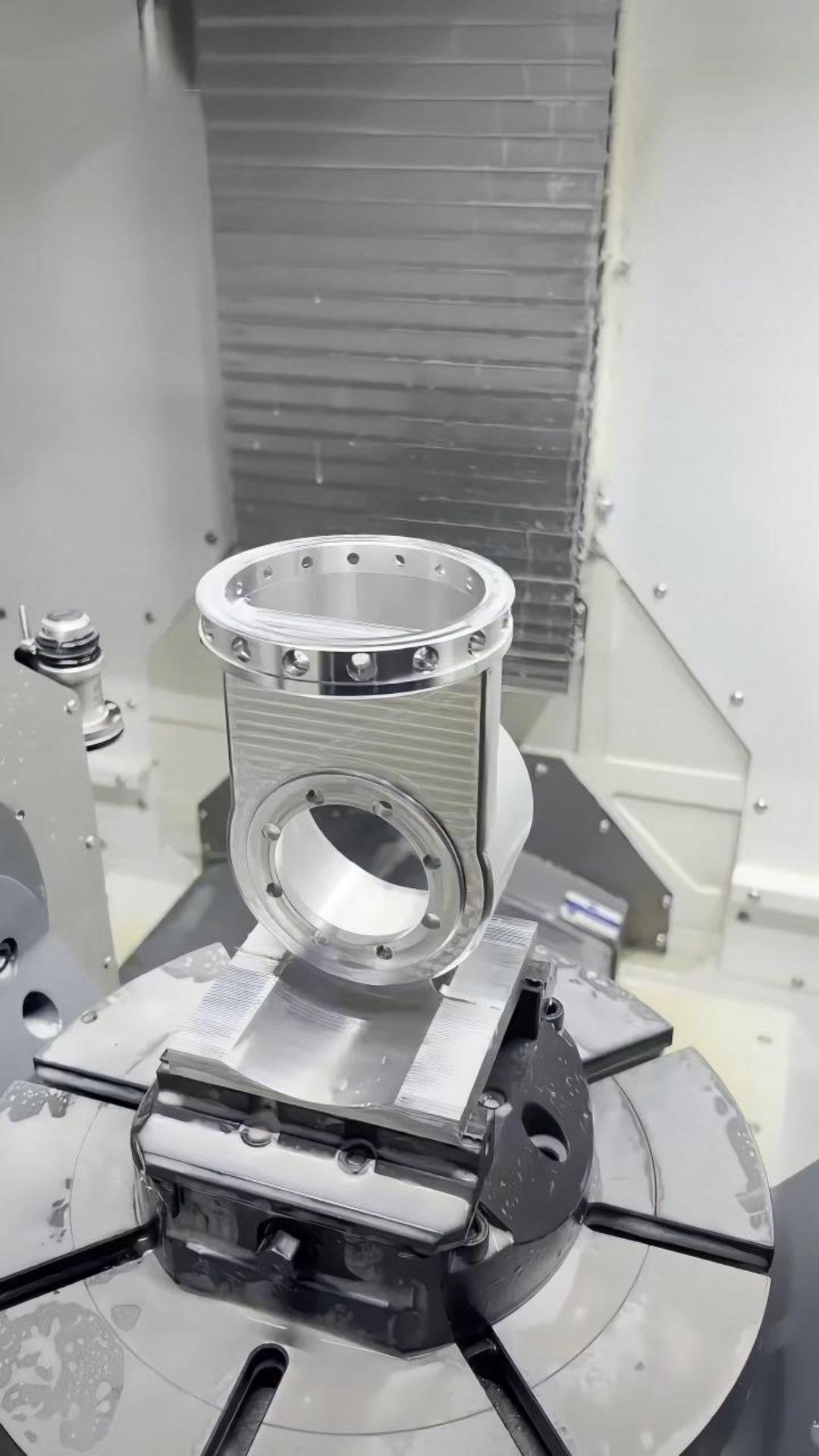
The maximum CNC machined part size is not only the size of the machine table. A part must fit inside the work envelope, be clamped safely, allow tool access, leave clearance for tool holders and coolant, stay rigid during cutting, and still be measurable after machining. For turning, the limits include chuck size, bar capacity, swing diameter, center distance and steady rest support.
A drawing may show a part that technically fits on a machine, but the actual setup may still be risky if the part is too heavy, too tall, too thin, too long, or requires deep features that exceed tool reach. Large parts also increase cycle time, material cost, handling cost and inspection difficulty.
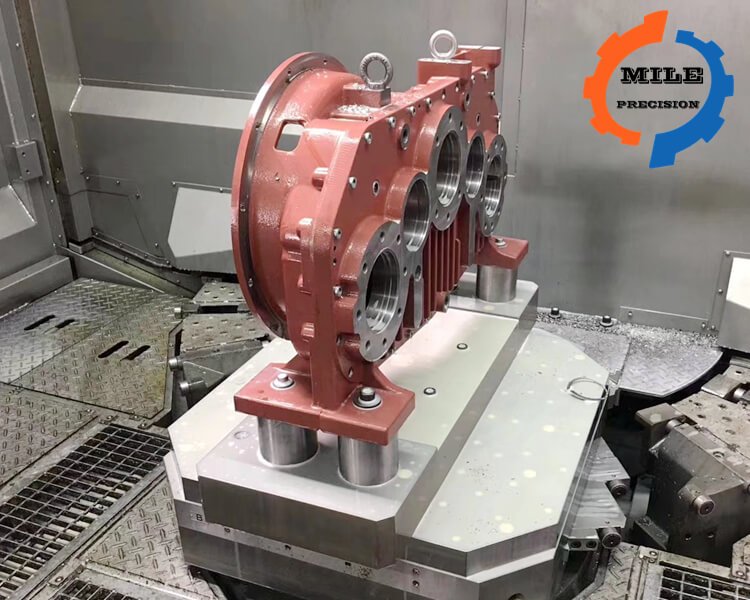
Typical CNC Machining Size Limitation Table
The values below are practical planning ranges, not fixed promises. Actual capacity depends on machine model, material, tolerance, fixture, required surfaces and inspection plan.
| CNC process | Main size limit | Typical practical range | Best for | Common risk |
|---|---|---|---|---|
| 3-axis CNC milling | X/Y/Z travel, table size, tool reach and fixture height | Small parts to large plates and housings, often up to several hundred mm or more depending on machine | Plates, brackets, pockets, holes, housings and fixtures | Deep pockets, long tools, tall walls and part re-clamping error |
| 4-axis CNC milling | Rotary clearance, part diameter and tailstock length | Limited by rotary table, chuck and tool clearance | Rotational features, holes around cylinders, multi-side parts | Collision risk and limited access around large diameters |
| 5-axis CNC machining | Rotary envelope, Z height, holder clearance and safe tilt angles | Excellent for complex parts, but envelope can shrink as tool tilts | Impellers, complex housings, aerospace-style brackets and angled features | Collision clearance and workholding become critical |
| CNC turning | Bar capacity, chuck size, swing diameter and center distance | Small pins to large shafts, depending on lathe capacity | Shafts, bushings, rings, nozzles, fittings and round parts | Long slender parts may deflect or chatter without support |
| Swiss-type turning | Bar diameter, guide bushing and part length after support | Small diameter, long and high-precision parts | Pins, sleeves, connectors, medical and electronic components | Limited diameter and material straightness requirements |
| CNC routing / large gantry machining | Gantry travel, vacuum table, material sheet size and rigidity | Large plates, panels, plastics, aluminum sheet and composites | Large flat parts and panels | Lower rigidity than heavy machining centers for some metals |
Machine Envelope vs Real Machinable Part Size
Machine travel is only the theoretical maximum movement. The real part size must leave space for clamps, vises, fixtures, probes, tool holders and safe retract moves. A tall part may fit in X and Y but fail because the spindle, holder or coolant nozzle cannot clear the top surface.
| Limit factor | What it affects | Design action |
|---|---|---|
| Table size | Maximum footprint of the fixture and part | Leave edge clearance for clamps and locating stops. |
| X/Y/Z travel | Reachable machining area and depth | Avoid full-travel designs unless setup clearance is confirmed. |
| Tool holder length | Deep cavities, tall walls and collision clearance | Use reliefs, larger corner radii and open access where possible. |
| Workholding | How much surface can be clamped without distortion | Add tabs, stock allowance, datum faces or sacrificial features. |
| Part weight | Safe handling, table load and setup stability | Review lifting points, setup orientation and material removal strategy. |
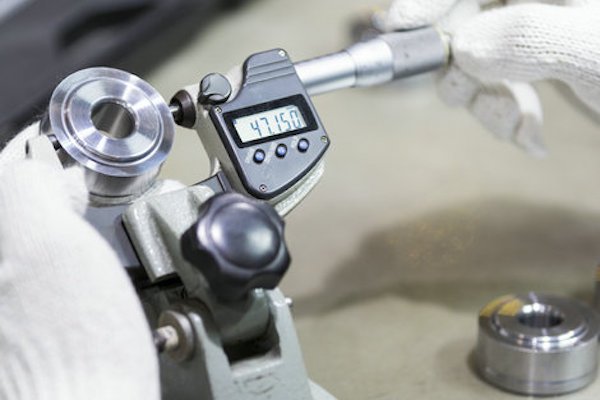
| Inspection equipment | Ability to verify final dimensions | Confirm CMM, height gage, fixture or on-machine probing method. |
| Shipping and packaging | Risk after machining | Design packaging supports for thin, large or precision surfaces. |
Typical Machine Travel and Part Envelope Reference
The numbers below are common planning ranges for CNC machining discussions. They are not universal machine limits, but they help engineers understand why a part that looks reasonable in CAD may still need a capacity review.
| Machine type | Typical travel / capacity range | Practical part envelope | Good use case | Planning caution |
|---|---|---|---|---|
| Small vertical machining center | X 400-700 mm, Y 300-450 mm, Z 300-500 mm | Parts usually below about 350-600 mm in longest direction after fixture allowance | Small housings, plates, brackets, fixtures and prototypes | Vise, clamps and tool holder clearance reduce usable space. |
| Medium vertical machining center | X 700-1100 mm, Y 400-650 mm, Z 450-700 mm | Parts commonly below about 600-950 mm depending on setup | Larger plates, covers, molds, manifolds and aluminum housings | Large flatness and re-clamping tolerances need review. |
| Large VMC / bridge mill | X 1200-3000+ mm, Y 700-1500+ mm, Z 600-1000+ mm | Large plates and frames, often over 1 m when handling and inspection allow | Large aluminum plates, tooling, frames and fabricated-machined parts | Material stress, table load and lifting become major factors. |
| 5-axis machining center | Depends on rotary table or trunnion diameter | Usable envelope may shrink when the part tilts | Complex housings, impellers, angled faces and multi-side parts | Collision clearance can be more limiting than nominal travel. |
| CNC turning center | Swing 250-800+ mm, center distance 300-2000+ mm | Round parts limited by chuck, swing, bore and support method | Shafts, rings, bushings, nozzles and turned housings | Long parts may require tailstock, steady rest or multiple setups. |
| Swiss-type lathe | Bar diameter often 3-32 mm, some machines larger | Small long parts with supported cutting near guide bushing | Pins, sleeves, connectors and precision miniature turned parts | Diameter is limited, and straight bar quality matters. |
Feature Size and Tool Reach Guidelines
Many size limitations are not about the whole part. They come from local features such as deep pockets, small holes, thin walls, long slots and internal corners. The table below gives practical starting points for design review.
| Feature | Preferred range | Risk zone | Why it matters | Better design choice |
|---|---|---|---|---|
| Deep pocket depth | Up to 3x tool diameter is usually easier | Over 5x tool diameter | Long tools deflect, chatter and leave poor wall finish | Open the pocket, add corner radii, or split the part. |
| Internal corner radius | At least 0.5x pocket depth when possible | Small radius in a deep cavity | Small cutters are weak and need slower cutting | Use larger radii or relief cutouts. |
| Drilled hole depth | Up to 5x drill diameter is common | Over 10x drill diameter | Chip evacuation, drill wander and straightness become difficult | Use through holes, step drilling, gun drilling or drill from two sides. |
| Thread depth | 1x to 2x diameter often provides enough strength | Very deep small tapped holes | Tap breakage and inspection difficulty increase | Use inserts, larger threads or through tapping when possible. |
| Thin wall thickness | Aluminum: 1.0-1.5 mm minimum for easier machining | Below 0.8 mm or tall thin walls | Vibration and clamping distortion increase | Add ribs, increase thickness or relax local tolerance. |
| Slot width | At least 1.5-2.0 mm for many milled metal parts | Very narrow deep slots | Small tools cut slowly and break more easily | Widen slots, reduce depth or use EDM where needed. |
| Large flatness callout | Use functional flatness only where needed | Tight flatness across large plates | Residual stress and clamping can move large surfaces | Specify datum pads or local flatness instead of full-part flatness. |
Relative Impact of Size-Limit Factors
The chart below shows which factors often become most important as part size increases.
Strategies for Large CNC Machined Parts
When a part is larger than the available machine envelope, it may still be manufacturable with design changes. Large parts can sometimes be split into smaller sections, machined from multiple sides, rough machined on one machine and finish machined on another, or fabricated as a welded assembly with final machining on critical surfaces.
Divide large geometry into bolted, doweled or welded sections when one-piece machining is impractical.
Define datums that allow reliable re-clamping and inspection across multiple setups.
Use fabrication, casting or extrusion for the main body, then CNC machine datum pads, holes and sealing faces.
Leave stock for finishing passes after stress relief, welding or rough machining.
Open deep pockets, add corner radii and avoid long thin cutters where possible.
Add lifting holes, safe clamping regions or temporary tabs when heavy parts need repeated setup.
Size Limitations by Feature Type
| Feature | Size-related limitation | Recommended design approach |
|---|---|---|
| Deep pockets | Long tools deflect and chatter; corner radii become larger | Reduce depth, open side access, use larger radii or split the part. |
| Long holes | Drills can wander and chip evacuation becomes difficult | Use through holes, step drilling, gun drilling review or drill from both sides. |
| Thin walls | Large thin walls vibrate and distort under clamping | Increase thickness, add ribs, machine in stages or relax tolerance. |
| Large flat surfaces | Flatness is affected by stress, clamping and material movement | Use stress-relieved material, rough/finish passes and realistic flatness callouts. |
| Long shafts | Deflection and runout increase with length | Use steady rests, center support, larger diameters or segmented design. |
| Large threads | Tool access, torque and inspection gages become more complex | Confirm thread standard, gage method and whether thread milling is preferred. |
| Oversized plastic parts | Thermal movement and clamping deformation are more visible | Use stable materials, avoid tight whole-part tolerances and control inspection temperature. |
Large Part Tolerance Planning Table
Large CNC parts can be accurate, but tolerance should be assigned by function. Applying very tight tolerance across a 1000 mm part often increases cost more than performance.
| Part size range | General machining expectation | Typical critical feature tolerance | Common inspection method | Design recommendation |
|---|---|---|---|---|
| Below 100 mm | Good stability and easy inspection | +/-0.02 to +/-0.05 mm when justified | Micrometer, caliper, CMM, pin gage | Tight tolerances are practical on functional features. |
| 100-300 mm | Still stable, but setup and material movement matter | +/-0.03 to +/-0.08 mm for critical features | CMM, height gage, bore gage | Use datums and avoid tight tolerances on non-critical outline geometry. |
| 300-800 mm | Fixture and stress relief become more important | +/-0.05 to +/-0.15 mm for selected features | CMM, fixture, on-machine probing | Use local tolerances for holes and pads instead of whole-part precision. |
| 800-1500 mm | Thermal growth, clamping and handling can affect dimensions | +/-0.10 to +/-0.30 mm depending on geometry | Large CMM, laser tracker, fixture, precision straightedge | Define functional datums, datum pads and realistic flatness. |
| Over 1500 mm | Special equipment and handling plan required | Project-specific | Laser tracker, custom fixture, on-machine measurement | Consider segmented design, fabrication plus final machining, or local precision zones. |
These tolerance ranges are planning references, not guaranteed limits. Material, geometry, wall thickness, process route and inspection environment can change achievable tolerances.
Material Stock and Weight Reference
Large parts are often limited by available raw material and safe handling. A plate that fits the machine may still be expensive or impractical if the starting billet is oversized and heavy.
| Material stock form | Common size concern | Weight / handling issue | Cost impact | Design action |
|---|---|---|---|---|
| Aluminum plate | Plate thickness and flatness availability | Large plates need stable lifting and support | Oversized stock increases material waste | Use standard thickness and avoid machining away excessive material. |
| Steel plate | High weight and stress from cutting | Handling and table load become important quickly | Longer machining and shipping cost | Consider flame/plasma/waterjet roughing plus final CNC machining. |
| Round bar | Diameter, straightness and length availability | Long shafts need support during turning | Large diameter bar is expensive and slow to remove | Use near-net stock or hollow tube if the design allows. |
| Extrusion | Cross-section and length availability | Long extrusions can twist or bow | Lower material removal but higher sourcing constraint | Use extrusion for long profiles, then machine interfaces. |
| Welded fabrication | Distortion before final machining | Large assemblies need fixtures and stress relief | Can reduce billet cost for very large shapes | Machine datum pads and critical holes after welding. |
Design Rules for CNC Part Size
Check the envelope early
Confirm part size, fixture space and tool clearance before finalizing the design.
Separate critical features
Do not apply tight tolerances across an entire large part unless the function truly requires it.
Reduce deep reach
Open pockets, add radii and avoid features that require very long tools.
Plan inspection
Define how large dimensions, flatness, hole patterns and datums will be measured.
- Provide 3D files and 2D drawings so the supplier can review setup orientation.
- Identify critical surfaces, datum features and non-critical cosmetic geometry.
- Avoid thin walls and tall unsupported features on large parts.
- Use standard raw stock sizes where possible to reduce lead time and material waste.
- Consider stress relief for large aluminum, steel or welded components.
- Review packaging and shipping for large precision surfaces.
FAQ: CNC Machining Size Limitations
What is the maximum size for CNC machining?
There is no single maximum size. It depends on machine travel, table load, spindle clearance, tool reach, fixture space, material stock, inspection method and shipping. Large gantry machines can handle much larger parts than standard vertical machining centers.
Can a part larger than the machine travel still be machined?
Sometimes yes. It may be possible to machine in multiple setups, split the design into sections, or machine only critical features after fabrication. However, re-clamping and datum control must be planned carefully.
What limits CNC turning size?
CNC turning is limited by bar capacity, chuck size, swing diameter, center distance, spindle bore, steady rest support and part rigidity. Long slender shafts may need additional support to reduce deflection.
Why do large CNC parts cost more?
Large parts require larger raw material, more setup time, heavier handling, slower cutting, more inspection, special fixtures, higher shipping cost and sometimes stress relief or multiple setups.
How can I design large CNC parts more economically?
Use realistic tolerances, split non-critical geometry into fabricated sections, machine only functional interfaces, avoid deep pockets and long tools, and confirm raw material size early.
Need a CNC size and manufacturability review?
Send your drawing, 3D model, material, tolerance requirements and target quantity. Milemetal can review machine envelope, tool access, fixture strategy and inspection approach before quoting.