
How to Prepare Engineering Drawings for CNC Machining
2026-06-09
CNC Machining Materials Selection Guide: Metals, Plastics, Cost and Performance
2026-06-13
Die Casting Design Guide: Materials, Defects, Tolerances and CNC Finishing
Die casting is a high-volume metal forming process for producing complex aluminum, zinc and magnesium alloy parts with good surface quality and repeatable dimensions. This guide explains material choices, design rules, common defects, tolerance planning, CNC post-machining and inspection points for custom die casting parts.

What Is Die Casting?
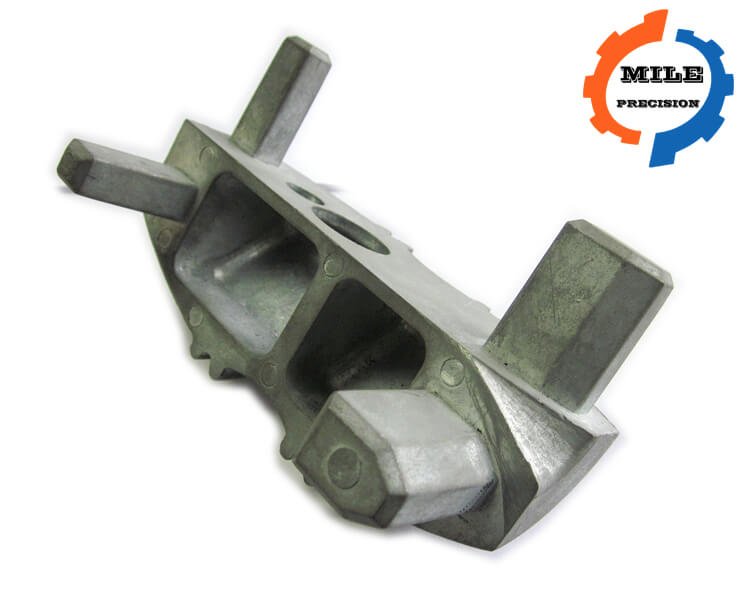
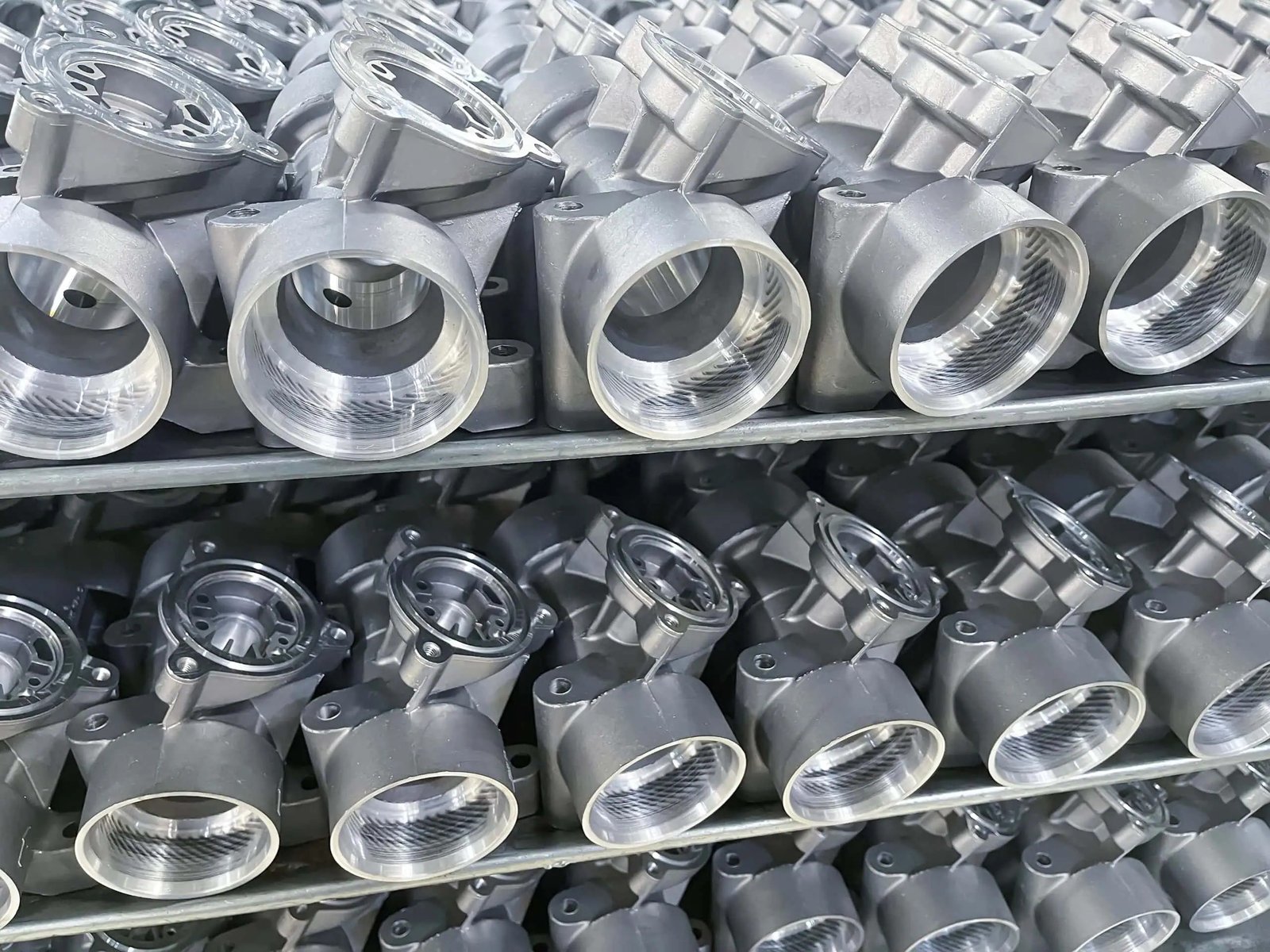
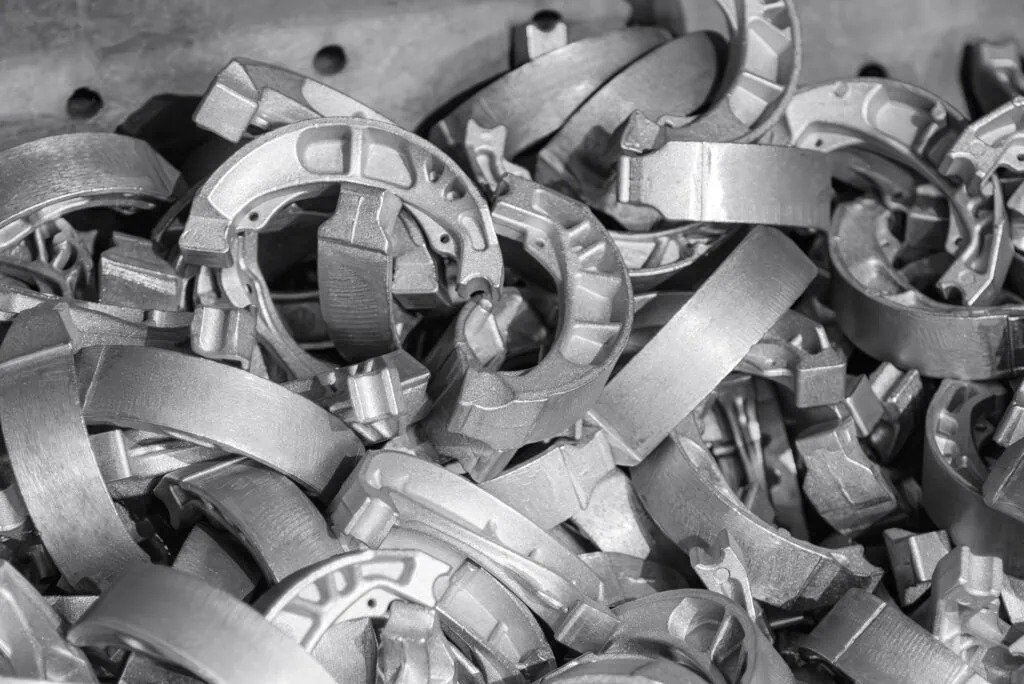
Die casting is a manufacturing process in which molten metal is injected into a steel mold, called a die, under pressure. After the metal solidifies, the die opens and the casting is ejected. The process is suitable for parts that need complex geometry, thin walls, consistent shape and high production volume.
Compared with CNC machining from solid billet, die casting can reduce material waste and cycle time for complex shapes. Compared with sand casting, it usually provides better surface finish and more consistent dimensional repeatability. However, die casting requires tooling investment, careful part design and defect control. Critical dimensions may still need CNC machining after casting.



Die Casting Materials and Alloy Selection
Material selection affects strength, weight, surface finish, corrosion resistance, thermal behavior, tooling life and machining cost. The most common die casting materials are aluminum, zinc and magnesium alloys. Copper alloys can also be cast, but they require higher temperatures and are less common in high-pressure die casting for general industrial parts.
| Material family | Common grades / examples | Main advantages | Common applications | Design notes |
|---|---|---|---|---|
| Aluminum die casting | A380, ADC12, AlSi9Cu3, AlSi10Mg-type alloys | Lightweight, good strength-to-weight ratio, good thermal conductivity, corrosion resistance | Housings, brackets, motor parts, heat sink bodies, pump bodies, covers | Good for larger parts; critical holes and sealing faces often need CNC machining |
| Zinc die casting | Zamak 3, Zamak 5, ZA alloys | Excellent castability, high detail, good surface finish, good dimensional stability | Small hardware, connectors, locks, gears, fittings, decorative parts | Excellent for thin walls and fine detail; heavier than aluminum |
| Magnesium die casting | AZ91D and related alloys | Very lightweight, good strength-to-weight ratio, good damping behavior | Electronics housings, lightweight brackets, handheld products | Requires strict process control and corrosion protection planning |
| Brass / copper alloy casting | Selected brass and bronze alloys | Wear resistance, conductivity, corrosion resistance and decorative color | Valve parts, marine hardware, bushings, fittings | Usually more expensive and may use different casting routes |
For most industrial die cast parts, aluminum is chosen when weight and heat transfer matter. Zinc is chosen when small details, thin walls and smooth surface quality matter. Magnesium is selected when weight reduction is the main driver. The final choice should also consider finishing, corrosion exposure, operating temperature and required machining tolerance.
Die Casting Design Rules for Reliable Parts
Good die casting design reduces porosity, shrinkage, flash, tool wear and machining problems. Many casting defects are influenced by geometry: sudden wall thickness changes, sharp internal corners, isolated heavy sections, poor draft and difficult metal flow paths. A manufacturable design makes it easier for molten metal to fill, solidify and eject cleanly.
Use uniform walls
Keep wall thickness as consistent as possible to reduce shrinkage, sink marks and porosity.
Add draft
Draft angle helps the casting release from the die without drag marks or ejection damage.
Round corners
Fillets improve metal flow, reduce stress concentration and extend die life.
Plan machining
Leave stock on critical faces, holes and datum surfaces that will be CNC finished.
| Design feature | Recommended approach | Why it matters |
|---|---|---|
| Wall thickness | Use consistent thickness; avoid isolated heavy masses | Reduces shrinkage, porosity and uneven cooling |
| Ribs | Use ribs instead of making walls too thick | Improves stiffness while controlling weight and cooling behavior |
| Bosses | Connect bosses with ribs and avoid thick isolated cylinders | Prevents sink, shrinkage and weak areas around screw bosses |
| Fillets and radii | Add generous internal radii where possible | Improves flow and reduces stress concentration |
| Draft angle | Add draft on walls parallel to mold opening direction | Helps ejection and reduces scuffing or drag marks |
| Parting line | Place it away from sealing, cosmetic or precision machining areas | Controls flash, mismatch and finishing work |
| Ejector pins | Allow non-critical areas for ejection marks | Prevents visible marks on cosmetic or sealing surfaces |
| CNC stock allowance | Add machining allowance on critical datum surfaces and bores | Ensures enough material remains for accurate finishing |
Ribs, Bosses, Holes and Threads
Ribs and bosses are useful in die casting, but they need careful proportions. A rib that is too thick can create sink and local porosity. A boss that is too tall or isolated may fill poorly or crack under fastener load. For threaded holes, many designs cast a pilot hole and then drill or tap after casting. This provides better thread quality and more reliable assembly.
Use ribs to improve stiffness without adding heavy wall sections. Keep rib thickness lower than adjacent wall thickness where possible.
Support bosses with ribs and avoid sudden thickness changes around screw towers or inserts.
Machine or tap critical threads after casting when strength, fit and repeatability matter.
Common Die Casting Defects and How to Reduce Them
Die casting defects can come from part design, alloy choice, mold temperature, injection speed, venting, lubrication, die wear and post-processing. A good supplier reviews both part geometry and process parameters. For critical applications, defect control should be discussed before tooling starts.
| Defect | What it looks like | Common causes | Prevention / control |
|---|---|---|---|
| Porosity | Small internal or surface voids | Gas entrapment, turbulent flow, poor venting, shrinkage | Improve gate/vent design, control injection parameters, avoid thick sections, use vacuum support if needed |
| Cold shut / cold flow | Visible line where metal fronts fail to fuse | Low temperature, poor flow, long fill path, thin wall | Improve metal temperature, gate location, wall thickness and flow path |
| Flash | Thin extra metal at parting line or ejector areas | Die wear, high pressure, poor clamping, parting line mismatch | Maintain tooling, control pressure, improve die fit and trim flash after casting |
| Shrinkage | Depression, void or weak section near heavy mass | Uneven cooling or thick isolated geometry | Use uniform wall thickness, ribs and better thermal balance |
| Blistering | Raised surface bubbles after heating or finishing | Trapped gas expanding during heat or coating process | Control porosity, avoid high-temperature treatment when alloy/process is unsuitable |
| Cracks | Visible fracture or weak area | Sharp corners, ejection stress, hot tearing, poor geometry | Add radii, improve ejection design, control cooling and reduce stress concentration |
| Surface stains | Color marks or irregular appearance | Lubricant, oxidation, handling, poor cleaning | Improve cleaning, surface preparation and finishing control |
Die Casting Tolerances and CNC Post-Machining
Die casting can produce repeatable shapes, but casting tolerances are usually not the same as precision CNC machining tolerances. Large dimensions, thin walls, parting line features, draft surfaces and as-cast holes will have broader variation than reamed, milled or turned features. When a feature must seal, locate, rotate or carry a bearing, it is often best to cast near-net shape and finish the critical area by CNC machining.
| Feature type | Typical tolerance strategy | Recommended method | Design note |
|---|---|---|---|
| General outside shape | Use normal die casting tolerance | As-cast plus trimming/deburring | Allow draft, parting line and reasonable dimensional variation |
| Mounting face | Tighter flatness or position required | CNC milling after casting | Add machining allowance and define datum surface |
| Bearing bore | Precise diameter, roundness and location | Drill, bore, ream or CNC finish | Specify fit, surface finish and inspection method |
| Threaded hole | Reliable thread engagement | Cast pilot then drill/tap | Define thread depth and whether insert is needed |
| Sealing groove | Controlled depth, width and surface finish | CNC machining | Specify Ra value and tolerance after finishing |
| Cosmetic surface | Appearance and surface grade matter | Controlled die surface, polishing, blasting or coating | Discuss parting line, ejector marks and gate removal early |
For die cast parts, separate the drawing into as-cast features and machined features. This helps the supplier quote tooling, casting, CNC machining and inspection correctly.
Surface Finishing for Die Cast Parts
Surface finishing depends on the alloy and the part function. Aluminum die castings may be shot blasted, polished, powder coated, painted, chromate converted or anodized in limited cases. Zinc die castings are often plated or painted for appearance and corrosion resistance. Magnesium usually needs protective finishing because corrosion risk is higher.
| Finish | Best use | Important consideration |
|---|---|---|
| Shot blasting / tumbling | Uniform matte surface and burr reduction | May slightly soften edges or change appearance |
| Powder coating | Durable colored protective finish | Mask precision holes, threads and sealing faces if needed |
| Painting | Cosmetic finish and corrosion protection | Surface preparation and porosity control affect appearance |
| Plating | Zinc die cast decorative or corrosion-resistant surfaces | Porosity and surface preparation affect adhesion and appearance |
| Conversion coating | Aluminum corrosion protection and paint base | Usually thinner than paint or powder coating |
| CNC machining finish | Functional surfaces, datum pads and bores | Specify roughness and whether finish applies after coating |
Inspection and Quality Control for Die Castings
Inspection should match the risk of the part. A simple cosmetic housing may need visual inspection, basic dimensions and coating checks. A functional die cast component may need CMM inspection, leak testing, thread gauges, surface roughness checks, plating thickness measurement or porosity evaluation. For new tooling, first article inspection is important before mass production.
- Check raw casting appearance, flash, cracks, cold shut and visible porosity.
- Verify critical dimensions after CNC machining, not only after casting.
- Use thread gauges and plug gauges for functional holes.
- Check flatness, position and perpendicularity on machined datum features.
- Confirm coating thickness or finish quality when appearance or corrosion resistance matters.
- For sealing parts, define leak test pressure, sealing surface finish and acceptable porosity level.
FAQ: Die Casting Design, Materials and Tolerances
What materials are most common for die casting?
Aluminum and zinc alloys are the most common. Aluminum is used for lightweight structural and thermal parts, while zinc is selected for small detailed parts with excellent surface finish and dimensional stability.
Can die cast parts be CNC machined?
Yes. CNC machining is often used after die casting for precise holes, threads, bearing bores, sealing grooves, flat mounting faces and datum surfaces.
What are the most common die casting defects?
Common defects include porosity, cold shut, flash, shrinkage, blistering, cracks and surface stains. Many defects can be reduced by better wall thickness, gate design, venting, process control and secondary finishing.
Are die casting tolerances as tight as CNC machining tolerances?
No. As-cast dimensions usually have broader tolerances than CNC machined features. Critical interfaces should be machined after casting and inspected according to the drawing.
How should I design a part for die casting?
Use uniform wall thickness, add draft, round internal corners, avoid isolated heavy sections, support bosses with ribs and define which surfaces need CNC machining or cosmetic finishing.
Need die casting and CNC finishing support?
Send your 2D drawing, 3D model, material target, surface finish, annual quantity and critical tolerance requirements. Milemetal can review die casting feasibility, machining allowance, defect risk and inspection strategy before production.