Die Casting Design Guide: Materials, Defects, Tolerances and CNC Finishing
2026-06-09
CNC Machining vs 3D Printing: How to Choose the Right Process for Custom Parts
2026-06-13
CNC Machining Materials Selection Guide: Metals, Plastics, Cost and Performance
Choosing the right CNC machining material affects part strength, weight, corrosion resistance, tolerance stability, surface finish, machining time and final cost. This guide compares common CNC metals and plastics, explains how to match materials to real operating conditions, and gives practical selection rules for prototypes and production parts.
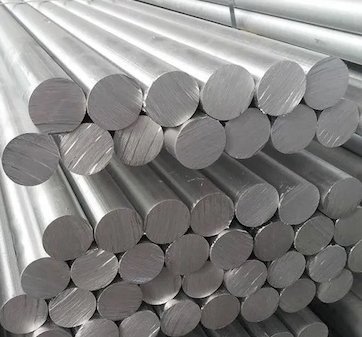
Why CNC Material Selection Matters
A CNC material should not be selected only because it is familiar or inexpensive. The correct material must survive the part’s load, motion, temperature, humidity, chemical exposure, wear, electrical requirements and surface finish expectations. It also needs to be available in the right stock size and economical to machine.
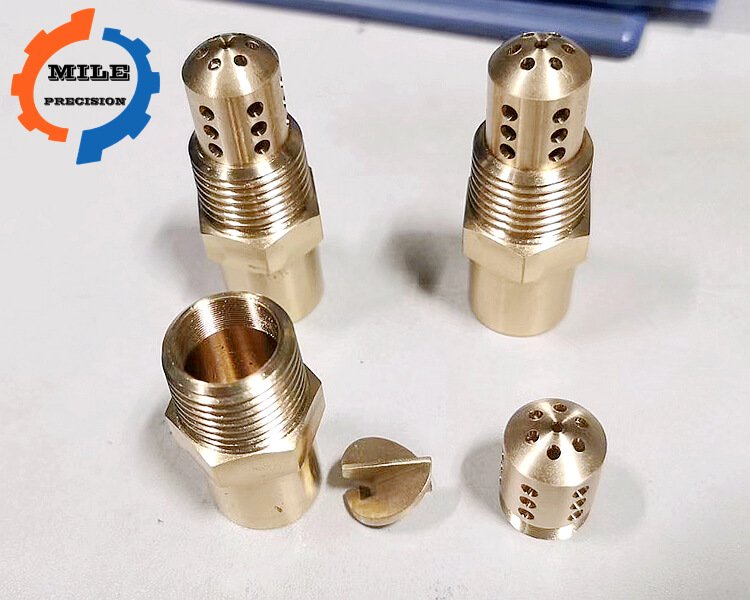
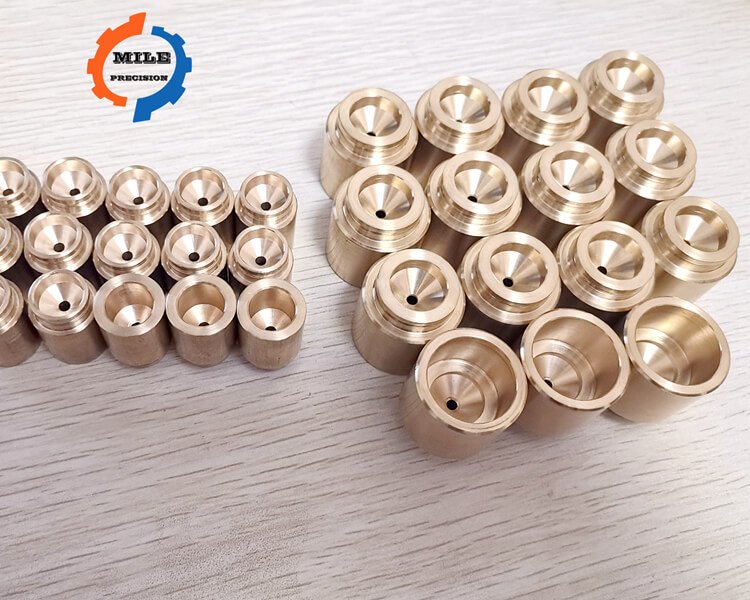
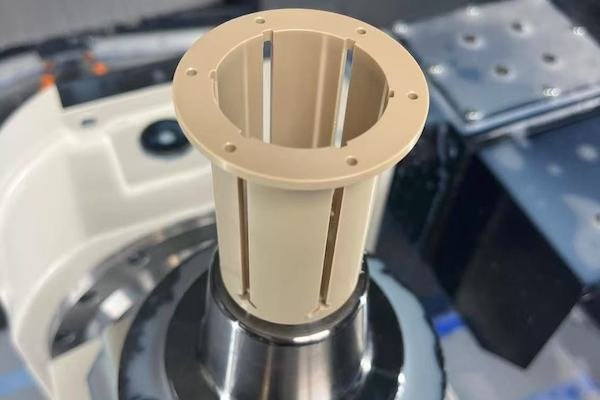
For example, aluminum 6061 is fast to machine and suitable for many brackets, housings and prototypes. Stainless steel 316 is better for corrosion resistance but costs more to machine. PEEK is excellent for heat and chemical resistance, but material cost is high. Brass is easy to machine and gives good finish, while titanium should be reserved for demanding strength-to-weight and corrosion needs.


Quick Reference: What CNC Material Should You Choose?
The table below is a practical starting point for CNC machined parts. Final selection should also consider tolerances, wall thickness, surface finish, batch size, procurement lead time and the operating environment.
| Design requirement | Recommended materials | Why they fit | Typical CNC applications |
|---|---|---|---|
| General low-cost prototype | Aluminum 6061, ABS, POM / Delrin | Good availability, easy machining, fast iteration | Prototype housings, fixtures, brackets, form-fit samples |
| Lightweight structural part | Aluminum 6061, 6082, 7075, magnesium alloys | Good strength-to-weight ratio and machinability | Frames, brackets, drone parts, camera parts, automation hardware |
| High strength metal part | Steel, 4140, 17-4PH stainless, titanium, aluminum 7075 | Higher strength for load-bearing or safety-related parts | Shafts, links, clamps, high-load brackets, tooling components |
| Corrosion resistance | Stainless 304, 316, titanium, anodized aluminum, PEEK | Better resistance to moisture, chemicals or outdoor exposure | Marine parts, medical hardware, food equipment, fluid components |
| Wear or sliding contact | Bronze, brass, hardened steel, POM, nylon, PEEK, PTFE | Good bearing behavior, low friction or wear resistance | Bushings, sleeves, guides, rollers, sliding blocks |
| Electrical conductivity | Copper C110, tellurium copper, brass, aluminum | Conductive metals support current carrying or thermal transfer | Bus bars, terminals, heat sinks, connectors, grounding parts |
| Electrical insulation | PEEK, PTFE, nylon, POM, PMMA, polycarbonate | Engineering plastics isolate electrical paths | Insulators, fixtures, test sockets, electronic supports |
| Transparent component | PMMA / acrylic, polycarbonate | Optical clarity with different impact resistance levels | Windows, light pipes, optical covers, inspection panels |
| High heat resistance | PEEK, PTFE, PPS, PEI, stainless steel, titanium | Maintains strength or stability at elevated temperature | Thermal fixtures, bushings, fluid handling and high-temperature equipment |
Common Metals for CNC Machining
Metals are chosen when the part needs strength, stiffness, thermal conductivity, electrical conductivity, wear resistance or durability. The key trade-off is usually between performance and machinability. A stronger or more corrosion-resistant metal may increase tool wear, cycle time and inspection difficulty.
| Metal | Typical grades | Strengths | Machining notes | Common uses |
|---|---|---|---|---|
| Aluminum | 6061, 6082, 7075, 5052, 2024 | Lightweight, fast machining, good anodizing options | 6061 is versatile; 7075 is stronger but more expensive and less corrosion resistant | Housings, brackets, plates, fixtures, camera and automation parts |
| Stainless steel | 304, 316, 17-4PH, 303 | Corrosion resistance, strength, clean appearance | Work hardening and heat control matter; 303 machines better, 316 resists corrosion better | Medical parts, food equipment, fluid fittings, marine hardware |
| Carbon / alloy steel | 1018, 1045, 4140, tool steels | High strength, wear resistance, heat treatment options | May need coating or plating for corrosion protection | Shafts, gears, tooling, clamps, high-load mechanical parts |
| Brass | C360, C260, naval brass | Excellent machinability, good finish, corrosion resistance | Good for turned parts and threads; lead-free grades may machine differently | Fittings, inserts, terminals, valves, decorative hardware |
| Copper | C110, C101, C145 | Electrical and thermal conductivity | Pure copper can be gummy; tellurium copper improves machinability | Bus bars, heat sinks, electrical contacts, conductive components |
| Bronze | Bearing bronze, aluminum bronze, phosphor bronze | Wear resistance, bearing behavior and corrosion resistance | Good for bushings and sliding surfaces; grade selection matters | Bushings, sleeves, wear plates, marine hardware |
| Titanium | Grade 2, Grade 5 / Ti-6Al-4V | High strength-to-weight ratio and corrosion resistance | Difficult to machine; slower cutting and rigid setup are needed | Aerospace, medical, high-performance lightweight parts |
Common Plastics for CNC Machining
CNC plastics are useful when a part needs insulation, low friction, low weight, chemical resistance or a non-metallic contact surface. Plastics also behave differently from metals: they can move with temperature, absorb moisture, soften under heat or deflect during clamping. Material selection should include both performance and machining stability.
| Plastic | Key properties | Machining notes | Typical uses |
|---|---|---|---|
| POM / Delrin / acetal | Dimensional stability, low friction, good machinability | Excellent for prototypes and precision plastic parts | Gears, bushings, rollers, fixtures, sliding blocks |
| Nylon / PA | Wear resistance, toughness, low friction | Can absorb moisture, affecting dimensions | Wear pads, guides, rollers, spacers |
| PTFE | Very low friction, chemical resistance, electrical insulation | Soft and prone to deformation; tolerances need realistic planning | Seals, gaskets, insulators, low-friction parts |
| PEEK | High temperature, chemical resistance, strength and stability | Premium cost; ideal when ordinary plastics cannot survive | Medical, aerospace, semiconductor, high-performance bushings |
| ABS | Affordable, impact resistant, easy to machine | Good for prototypes and low-stress components | Housings, covers, fixtures, appearance models |
| PMMA / acrylic | High transparency and polishability | Brittle; needs sharp tools and heat control | Windows, display parts, transparent covers |
| Polycarbonate | Impact resistance and transparency | More impact resistant than acrylic, but surface finish requires care | Guards, lenses, protective covers |
Material Properties to Compare Before Choosing
A material datasheet can be overwhelming, but most CNC projects can be narrowed by a few practical questions. Does the part carry load? Does it move against another part? Does it need to resist corrosion, chemicals, heat or UV? Is weight important? Will the surface be anodized, plated, polished, painted or left as-machined?
Choose steel, stainless, titanium or high-strength aluminum when load and fatigue matter.
Steel is much stiffer than aluminum; plastics need larger sections when deflection must be controlled.
Aluminum, magnesium, plastics and titanium reduce mass compared with steel or copper alloys.
Stainless 316, titanium, anodized aluminum and selected plastics perform well in wet or chemical environments.
Bronze, hardened steel, POM, nylon, PTFE and PEEK are common for moving contact.
Copper and aluminum transfer heat well; PEEK and PTFE can work as thermal or electrical insulators.
A Practical CNC Material Selection Process
For most projects, material selection should move from function to manufacturability, not the other way around. Start with non-negotiable requirements, then compare cost and availability. If the requirements are uncertain, use a prototype material first and test the design before committing to a premium alloy or plastic.
Define function
List load, motion, temperature, corrosion, wear, electrical and cosmetic requirements.
Shortlist materials
Select two or three practical materials that meet the core performance needs.
Check machining
Review wall thickness, tolerance, surface finish, tool access and expected cycle time.
Prototype first
Test fit, strength, wear and finish before moving to production material if risk is high.
Machinability, Cost and Lead Time
Machinability directly affects quote price. Easy-to-machine materials cut faster, extend tool life and usually produce better surface finish with less effort. Difficult materials require slower feeds, rigid setups, special tooling or more inspection. Availability also matters: a common grade may ship quickly, while a specialty alloy or engineering plastic may delay the project.
| Material group | Machinability trend | Cost / lead time trend | Practical advice |
|---|---|---|---|
| Aluminum 6061 / 6082 | Very good | Usually low cost and fast availability | Best first choice for many prototypes and general parts |
| Brass C360 | Excellent | Material cost higher than aluminum, machining cost efficient | Good for fittings, threads and precision turned parts |
| Stainless 304 / 316 | Moderate | Higher machining cost than aluminum | Use when corrosion or hygiene justifies the cost |
| Titanium | Difficult | High cost and longer machining time | Reserve for demanding weight, strength or corrosion requirements |
| POM / ABS | Good | Good for prototypes and functional plastic parts | Check heat, moisture and stiffness limits |
| PEEK / PTFE | Specialized | High material cost; stock availability may vary | Use when ordinary plastics cannot meet environment or performance needs |
Surface Finish and Post-Processing Compatibility
Material choice should include the final surface treatment. Aluminum can be anodized, bead blasted, hard anodized or powder coated. Stainless steel can be passivated, polished or bead blasted. Carbon steel may need black oxide, zinc plating, nickel plating or painting. Brass and copper can be polished or plated. Plastics may be polished, vapor treated or left as-machined depending on material and appearance needs.
| Finish need | Good material choices | Notes |
|---|---|---|
| Black anodized appearance | Aluminum 6061, 6082, 7075 | Color and gloss depend on alloy, pretreatment and batch conditions |
| Bright polished metal | Brass, stainless steel, aluminum | Polishing cost rises with geometry complexity and surface requirements |
| Corrosion protective coating | Stainless, aluminum, carbon steel with plating/coating | Define coating thickness if dimensions are critical after finishing |
| Low friction surface | POM, PTFE, nylon, bronze, hard anodized aluminum | Select based on wear load, lubrication, temperature and mating material |
| Transparent finish | PMMA, polycarbonate | Machining marks, heat and polishing method affect clarity |
Common Material Selection Mistakes
| Mistake | Why it causes problems | Better approach |
|---|---|---|
| Choosing the strongest material by default | Unnecessary cost, longer machining time and harder finishing | Choose strength based on load and safety factor, not habit |
| Ignoring operating environment | Moisture, chemicals, UV or heat may cause corrosion, swelling or failure | Review environment before comparing material price |
| Using prototype material for production without testing | Prototype may pass fit checks but fail durability or temperature requirements | Prototype with intent, then test final material if performance matters |
| Forgetting surface treatment thickness | Plating, anodizing or coating can change fits and thread behavior | Define whether tolerances apply before or after finishing |
| Overlooking availability | Specialty material can delay urgent projects | Check stock form, size and lead time before finalizing the design |
| Applying tight tolerances to unstable plastics | Heat, moisture and clamping can change dimensions | Use realistic tolerances and stable plastics such as POM or PEEK when required |
FAQ: CNC Machining Material Selection
What is the best all-purpose CNC machining material?
Aluminum 6061 is often the best all-purpose choice because it is available, affordable, easy to machine, lightweight and compatible with anodizing. It is suitable for many prototypes, brackets, housings and fixtures.
Which CNC material is best for corrosion resistance?
Stainless steel 316, titanium, anodized aluminum and PEEK are common choices for corrosion resistance. The best option depends on chemical exposure, temperature, strength and budget.
Which material is easiest to machine?
Brass C360, aluminum 6061 and POM are generally easy to machine. Stainless steel, titanium, PTFE and glass-filled plastics require more care or slower machining.
Should I choose metal or plastic for CNC parts?
Choose metal when strength, stiffness, conductivity or heat resistance is important. Choose plastic when low weight, insulation, low friction, chemical resistance or non-metallic contact is more important.
How does material choice affect tolerance?
Stable metals and plastics can hold tighter dimensions more reliably. Flexible plastics, thin walls and heat-sensitive materials may require looser tolerances or careful fixturing.
Need help choosing a CNC machining material?
Send your drawing, 3D model, application, quantity, environment, tolerance requirements and surface finish. Milemetal can review material options, machining risk, cost and finishing compatibility before production.