Sheet Metal Bend Radius Guide: Tables and Design Rules
2026-06-15
Sheet Metal Thickness Gauge Chart: Gauge to mm and Inches
2026-06-15
Sheet Metal Materials Selection Guide: Aluminum, Stainless Steel, Carbon Steel and Copper Alloys
Sheet metal material selection affects cost, bending radius, strength, corrosion resistance, weldability, finishing, weight and dimensional stability. This guide compares common sheet metal materials including 5052, 5754, 6061, 6082 and 7075 aluminum, 304 and 316L stainless steel, DC01, S235, S355, C45 steel, brass and copper, with practical tables, charts and design advice for fabricated parts.
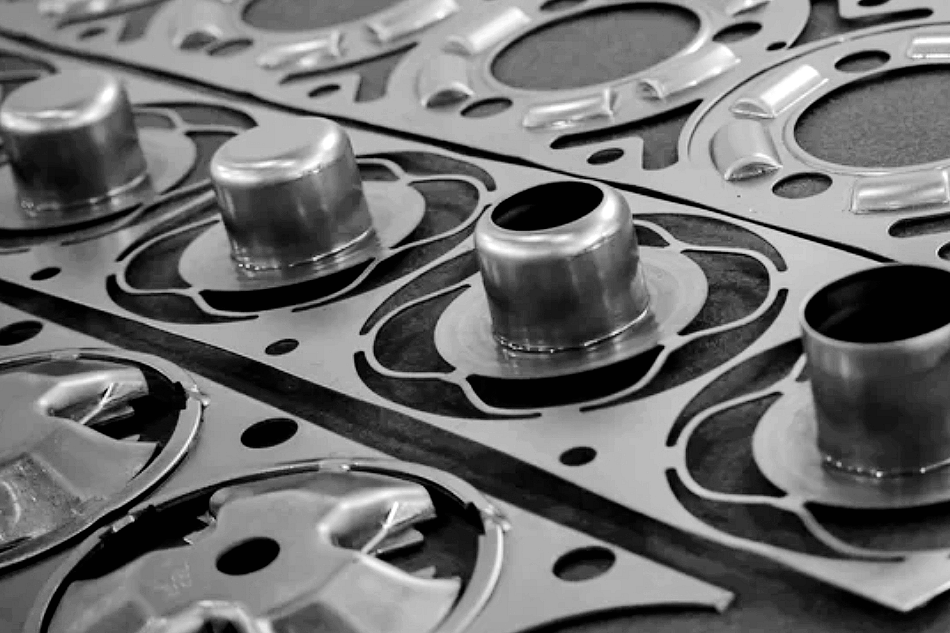
How to Choose Sheet Metal Material
Choosing sheet metal is not just a strength calculation. A material that looks strong on paper may crack during bending, cost too much, corrode in the service environment or create finishing problems. The correct choice depends on how the part is cut, bent, welded, assembled, finished and used.
For a lightweight enclosure, aluminum 5052 may be better than 6061 because it bends more reliably. For a marine bracket, 316L stainless may be worth the cost because chloride corrosion is a real risk. For an indoor painted bracket, low-carbon steel may provide the best cost-performance balance. For electrical parts, copper or brass may be chosen for conductivity instead of strength.
Controls bend radius, cracking risk, flange length and springback during press brake forming.
Controls load capacity, vibration, deflection and how thin the sheet can be.
Determines whether the part needs stainless steel, anodizing, plating, powder coating or painting.
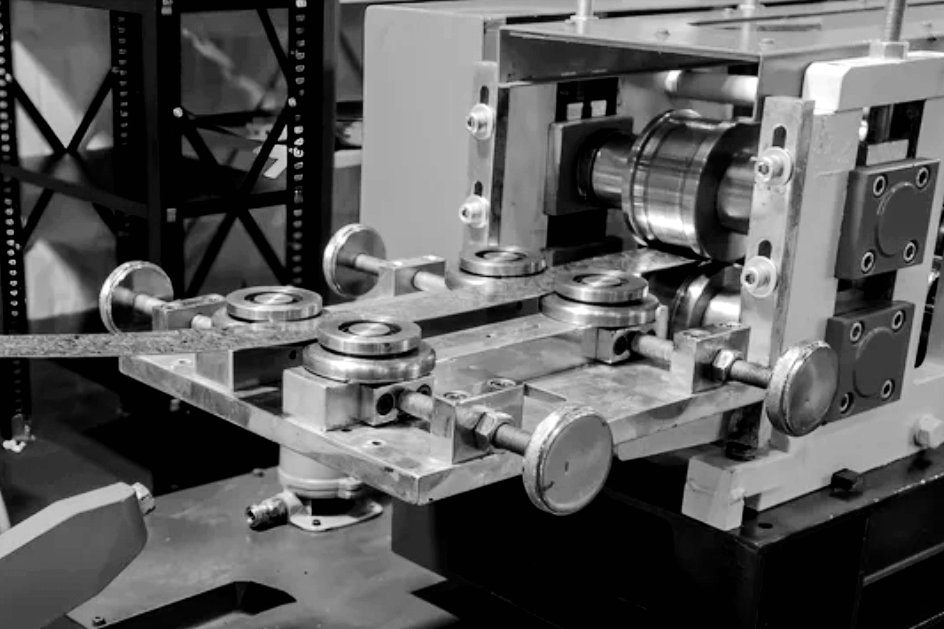
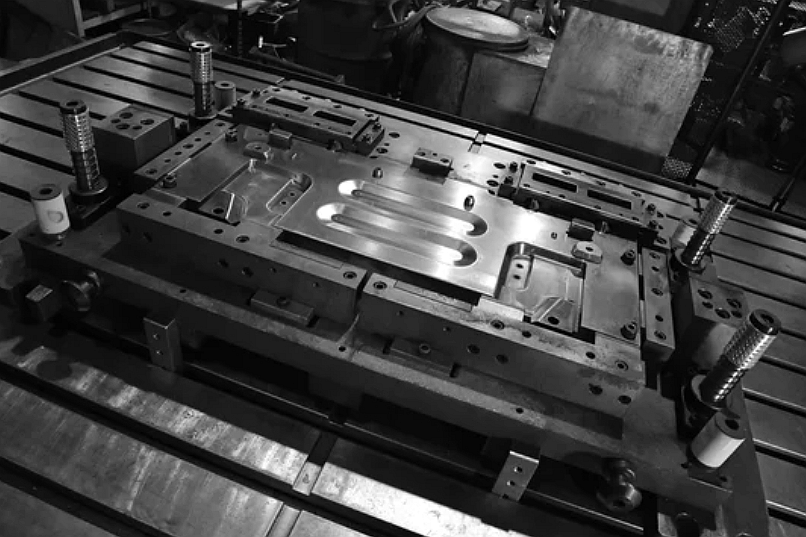
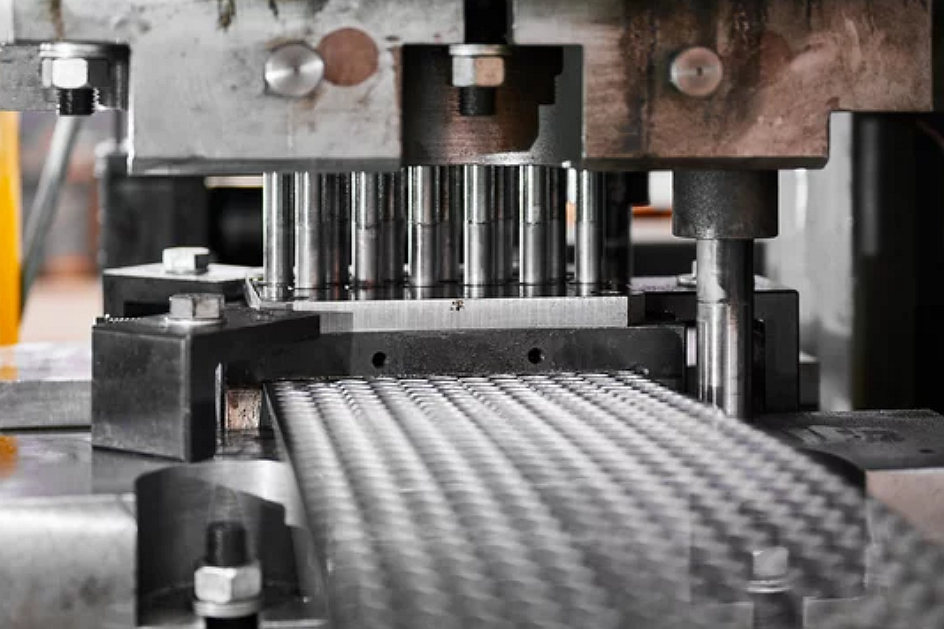
Sheet Metal Materials Comparison Table
The table below summarizes common sheet materials used for laser cutting, bending, punching, welding, PEM hardware installation, powder coating and precision fabrication.
| Material | Key advantages | Formability | Corrosion resistance | Common finishes | Typical applications |
|---|---|---|---|---|---|
| Aluminum 5052 | Good fatigue strength, weldability and corrosion resistance | Excellent | Good | Anodizing, powder coating, brushing | Enclosures, brackets, panels, marine and food equipment |
| Aluminum 5754 / 5083 | Strong non-heat-treatable aluminum with marine corrosion resistance | Good | Very good | Anodizing, powder coating, mill finish | Marine, transport, tanks, structural panels |
| Aluminum 6061 / 6082 | Higher strength and good machinability | Moderate | Good | Anodizing, hard anodizing, powder coating | Frames, fixtures, machined-and-bent parts, structural components |
| Aluminum 7075 | Very high strength and low weight | Poor to moderate | Moderate | Anodizing, conversion coating, paint | Aerospace-style brackets and high-strength lightweight parts |
| Stainless steel 304 | General corrosion resistance and good formability | Good | Very good | Passivation, brushing, polishing, bead blasting | Food equipment, covers, medical, kitchen and industrial parts |
| Stainless steel 316L | Better chloride corrosion resistance than 304 | Good | Excellent | Passivation, electropolishing, brushing | Marine, chemical, medical and harsh environment parts |
| DC01 cold rolled steel | Economical, ductile and easy to form | Excellent | Poor without coating | Zinc plating, powder coating, painting | Indoor brackets, covers, appliance and electronic hardware |
| S235 / S355 structural steel | Good strength, weldability and low cost | Good | Poor without coating | Galvanizing, powder coating, painting | Frames, machine guards, supports, welded structures |
| C45 / medium carbon steel | Higher strength and wear potential | Limited | Poor without coating | Black oxide, plating, heat treatment | Wear plates, levers, stronger mechanical parts |
| Brass / copper sheet | Conductivity, corrosion resistance and decorative appearance | Good depending on temper | Good | Polishing, tin, nickel, silver or clear coating | Electrical contacts, bus bars, shields and decorative panels |
Typical Sheet Thickness and Bend Radius Parameters
| Material group | Common thickness range | Typical inside bend radius | Minimum hole distance from bend | Notes |
|---|---|---|---|---|
| Aluminum 5052 | 0.8-4.0 mm | 0.5T-1.0T | 2.5T + R | Good choice when bending quality is important. |
| Aluminum 6061-T6 | 1.0-6.0 mm | 2.0T-3.0T | 3.0T + R | Use larger radii to reduce cracking. |
| Stainless steel 304 / 316L | 0.5-5.0 mm | 1.5T-2.5T | 2.5T + R | Higher springback and forming force than mild steel. |
| Low carbon steel / DC01 | 0.5-6.0 mm | 0.5T-1.0T | 2.5T + R | Economical and easy to form, but needs coating for corrosion. |
| S235 / S355 steel | 1.0-8.0 mm | 1.0T-2.0T | 3.0T + R | Good for stronger brackets and welded structures. |
| Brass / copper | 0.3-3.0 mm | 0.5T-1.5T | 2.5T + R | Temper and grain direction strongly affect cracking risk. |
T = material thickness. R = inside bend radius. These values are starting points and should be confirmed with the fabricator’s tooling and material stock.
Relative Material Performance Chart
The chart below gives a practical comparison for early material selection. Higher bars are not always better; the best material is the one that fits the application, forming method and finishing requirement.
Mechanical Properties Reference Table
| Material | Approx. density | Elastic modulus | Yield strength range | Elongation tendency | Selection meaning |
|---|---|---|---|---|---|
| Aluminum 5052 | 2.68 g/cm3 | ~70 GPa | 66-221 MPa | Good | Lightweight and bend-friendly. |
| Aluminum 6061 | 2.70 g/cm3 | ~70 GPa | 110-240 MPa | Moderate | Higher strength but needs larger bend radius. |
| Aluminum 7075 | 2.81 g/cm3 | ~72 GPa | 145-475 MPa | Low to moderate | Very strong but not ideal for tight bends. |
| Stainless steel 304 | 7.9 g/cm3 | ~200 GPa | 260-270 MPa | High | Good corrosion resistance and forming. |
| Stainless steel 316L | 8.0 g/cm3 | ~200 GPa | ~225 MPa | Good | Better for chloride or marine environments. |
| DC01 low carbon steel | 7.85 g/cm3 | ~210 GPa | ~140-280 MPa | Good | Economical for formed and coated parts. |
| S355 structural steel | 7.85 g/cm3 | ~210 GPa | ~355 MPa | Moderate | Stronger option for load-bearing brackets. |
| Copper C110 | 8.9 g/cm3 | ~110 GPa | ~70-220 MPa | Good | Chosen for electrical and thermal conductivity. |
Design Rules by Material Type
Aluminum
Use 5052 for bending, 6061 for stronger machined features and 7075 only when strength matters more than formability.
Stainless
Use 304 for general corrosion resistance and 316L for marine, chemical or chloride environments.
Steel
Use DC01 for formed low-cost parts, S235/S355 for structures and coated finishes to prevent rust.
Copper alloys
Use copper or brass when conductivity, shielding, solderability or decorative appearance drives the design.
- Choose material before finalizing bend radius, flat pattern and hole-to-bend distances.
- Use larger bend radii for hard aluminum, stainless steel and high-strength steels.
- Confirm whether the material will be welded, riveted, clinched, tapped or fitted with PEM hardware.
- Define surface finish early because anodizing, powder coating, plating and passivation affect design choices.
- Use realistic formed tolerances instead of CNC machining tolerances for bend angles and flange dimensions.
- For cosmetic parts, define visible surfaces, grain direction, brushing direction and color expectations.
Material Selection by Application
| Application | Recommended materials | Why | Finish suggestion |
|---|---|---|---|
| Lightweight enclosure | 5052 aluminum, 5754 aluminum | Good bending, low weight, corrosion resistance | Anodizing or powder coating |
| Indoor mounting bracket | DC01 steel, S235 steel | Low cost and good formability | Powder coating, zinc plating or painting |
| Food or medical cover | 304 stainless, 316L stainless | Corrosion resistance and cleanability | Brushed, passivated or electropolished |
| Marine or chemical panel | 316L stainless, 5083 aluminum | Better corrosion resistance in harsh environments | Passivation, anodizing or protective coating |
| High strength lightweight part | 6061, 6082, 7075 aluminum | Strength-to-weight performance | Anodizing or hard anodizing |
| Electrical bus bar or shield | Copper, brass, tin-plated copper | Conductivity and solderability | Tin, nickel, silver or clear protective coating |
FAQ: Sheet Metal Materials
What is the best aluminum for sheet metal bending?
5052 aluminum is one of the best common choices for sheet metal bending because it has good formability, corrosion resistance and weldability. 6061 is stronger but usually needs a larger bend radius.
What is the difference between 304 and 316L stainless steel sheet?
304 stainless is a general-purpose corrosion-resistant stainless steel. 316L contains molybdenum and is better for marine, chemical and chloride environments.
Which sheet metal material is the cheapest?
Low-carbon steel such as DC01 or S235 is often the most economical for formed brackets and covers, but it usually needs painting, powder coating or plating to resist corrosion.
Can 6061 aluminum sheet be bent?
Yes, but 6061-T6 has lower bendability than 5052. It usually needs a larger inside bend radius and careful grain direction control to reduce cracking.
What sheet metal is best for outdoor parts?
For outdoor parts, common choices include powder-coated steel, anodized aluminum, 304 stainless and 316L stainless. The best option depends on corrosion exposure, cost, strength and appearance.
Need help choosing sheet metal material?
Send your drawing, material target, thickness, finish, quantity and application environment. Milemetal can review bendability, tolerance, strength and finishing options before production.