PTFE Machining Guide: CNC Machining Teflon Parts
2026-06-14
Sheet Metal Bend Radius Guide: Tables and Design Rules
2026-06-15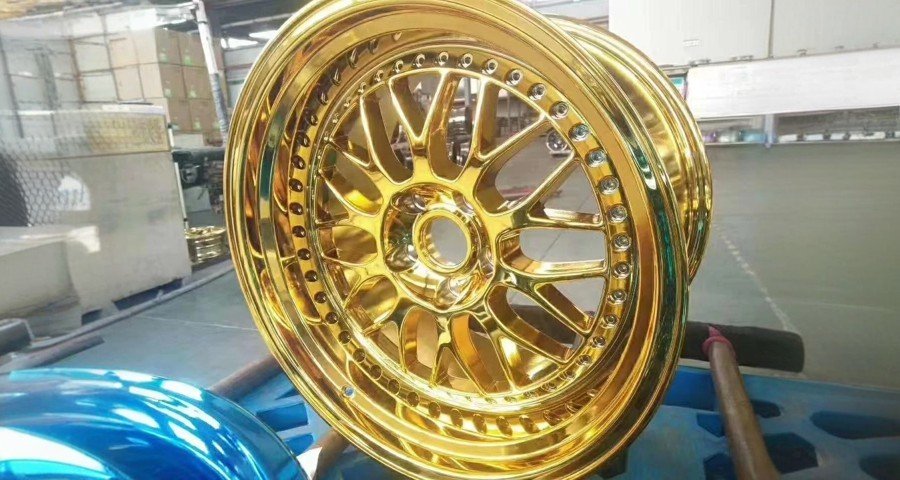
Metal Surface Finishing Types: A Practical Guide for CNC Machined Parts
Metal surface finishing changes how a CNC machined part looks, resists corrosion, wears, conducts electricity, seals, slides or bonds with another component. This guide compares common metal finishing types including anodizing, plating, powder coating, polishing, brushing, bead blasting, passivation, black oxide, electropolishing and laser marking, with practical design and inspection tips for custom metal parts.
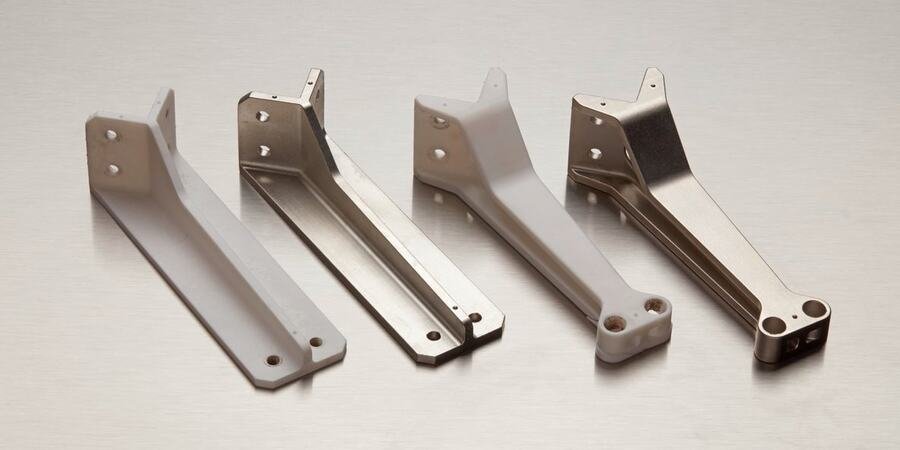
Why Metal Surface Finishing Matters
A machined metal part is rarely finished when it leaves the CNC machine. The raw surface may have tool marks, burrs, oxide, coolant residue or sharp edges. Surface finishing improves the part for its real service conditions: outdoor corrosion, sliding wear, electrical contact, food or medical cleanliness, cosmetic branding, sealing, painting, bonding or long-term dimensional stability.
The best finish is not simply the most attractive one. A black anodized aluminum housing, zinc plated steel bracket, passivated stainless valve part and electroless nickel plated manifold solve different problems. Choosing the wrong finish can cause peeling, color mismatch, tight threads, poor corrosion resistance or unexpected assembly issues.
Finishes such as anodizing, zinc plating, nickel plating and passivation help resist corrosion and oxidation.
Hardcoat anodizing, electroless nickel, chrome and electropolishing can improve wear, friction or cleanability.
Brushing, polishing, bead blasting, powder coating and decorative plating create controlled visual surfaces.
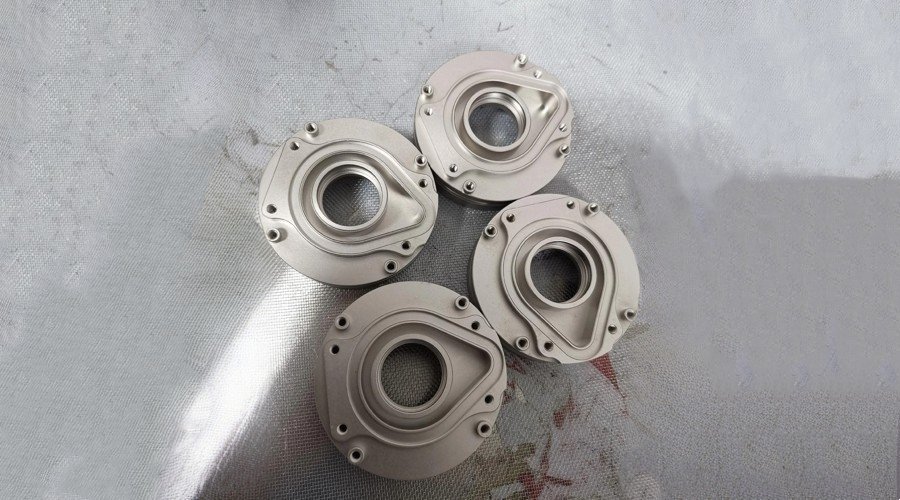
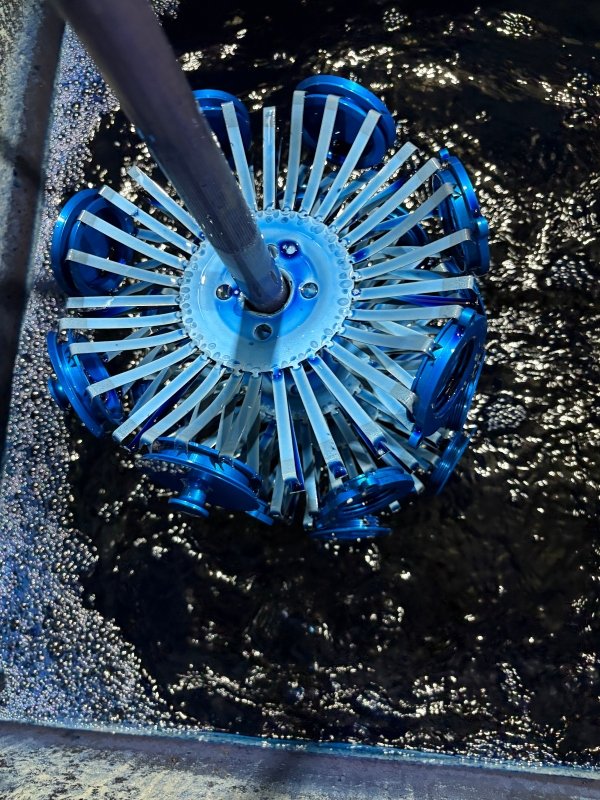
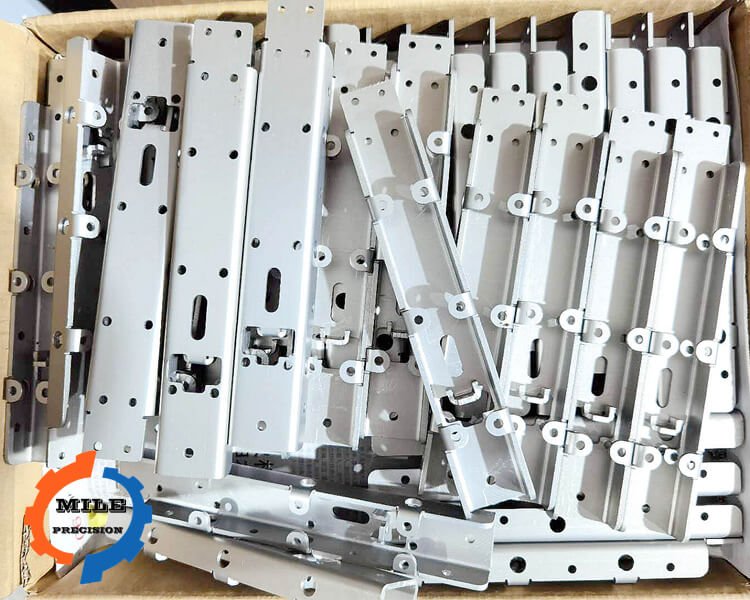
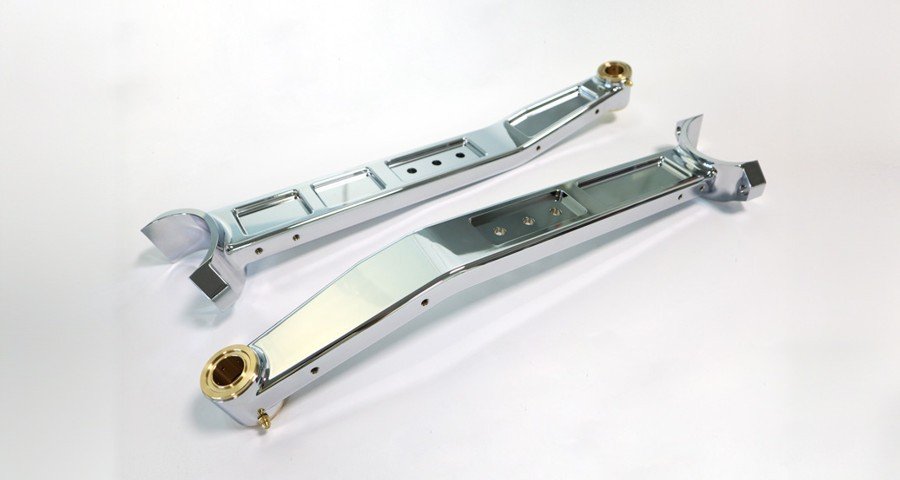
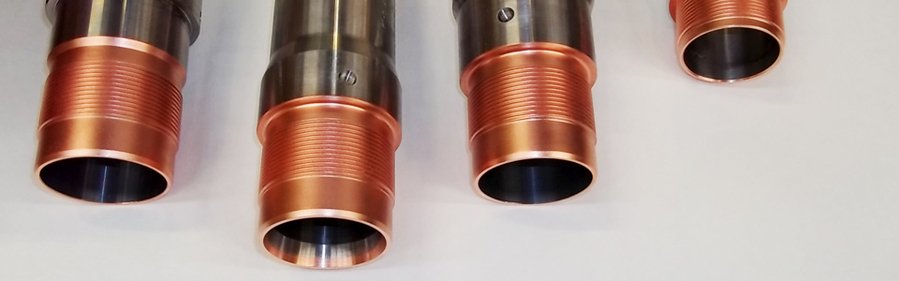
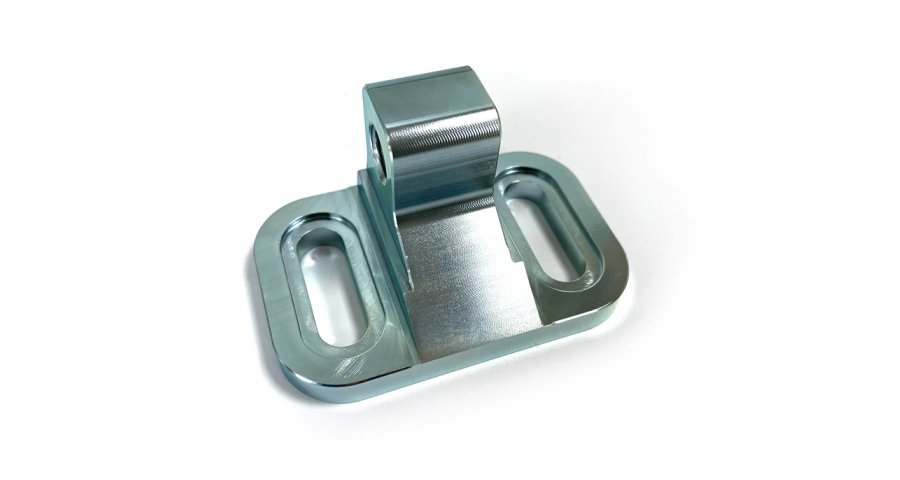
Common Metal Surface Finishing Types
The table below compares the most common surface finishing options for custom machined metal parts. Actual finish selection depends on alloy, geometry, required thickness, color, corrosion test, conductivity, wear condition and cost target.
| Finish type | Best for | Compatible materials | Typical appearance | Design notes |
|---|---|---|---|---|
| Anodizing | Corrosion resistance, color and hard oxide layer on aluminum | Aluminum alloys such as 6061, 6082, 7075, 5052 | Clear, black, colored, matte or satin | Changes dimensions; color varies by alloy and coating thickness. |
| Hard anodizing | Wear resistance and thicker protective oxide on aluminum | Aluminum alloys | Gray, dark gray, black or bronze tones | Plan coating allowance for bores, shafts, grooves and threads. |
| Electroless nickel plating | Uniform corrosion and wear protection on complex parts | Steel, stainless steel, aluminum, copper alloys | Bright silver to satin nickel | Good for holes and recesses because thickness is more uniform. |
| Zinc plating | Economical corrosion protection for steel | Steel, iron-based parts | Clear, blue, yellow or black chromate | Useful for brackets and fasteners; not for high-temperature service. |
| Chrome plating | Hardness, wear resistance and bright decorative finish | Steel, brass, copper alloys | Mirror bright or hard industrial chrome | Hard chrome may need grinding allowance and hydrogen relief. |
| Powder coating | Durable color coating and thicker protection | Steel, aluminum and many metal assemblies | Wide colors, textures and gloss levels | Thickness affects holes, threads and mating faces; mask critical areas. |
| Passivation | Improved corrosion resistance on stainless steel | Stainless steel | No major visual change | Removes free iron and improves the passive layer; not a coating buildup. |
| Electropolishing | Smoother, cleaner stainless surfaces | Stainless steel and selected alloys | Bright, smooth, clean surface | Removes a small amount of material; useful for sanitary or low-particle applications. |
| Black oxide | Dark appearance with light corrosion protection | Steel, stainless steel, copper alloys depending on process | Black or dark gray | Thin conversion finish; often needs oil or sealant for corrosion resistance. |
| Brushing / polishing | Controlled cosmetic appearance and reduced roughness | Stainless, aluminum, brass, copper | Directional brushed lines or bright polish | Base surface quality matters; polishing can round sharp details. |
| Bead blasting / sandblasting | Uniform matte texture and surface preparation | Aluminum, stainless, steel and other metals | Matte, satin or textured | Can slightly change dimensions and edge sharpness. |
| Laser marking | Permanent logos, part numbers and traceability | Most metals with correct parameters | Black, white, etched or annealed mark | Define location, size, contrast and whether marking is cosmetic or functional. |
How to Match Finish to Base Metal
Finish selection starts with the base metal. Aluminum is often anodized or powder coated. Stainless steel is often passivated, electropolished, brushed or bead blasted. Carbon steel often needs zinc plating, nickel plating, black oxide, phosphate or paint to resist corrosion. Copper and brass may use nickel, tin, silver, gold, polishing or clear protective coatings.
| Base material | Recommended finishes | Common applications | Watch out for |
|---|---|---|---|
| Aluminum | Clear anodizing, black anodizing, hard anodizing, powder coating, bead blasting | Housings, brackets, fixtures, optical and automation parts | Color match varies by alloy; anodizing affects dimensions. |
| Stainless steel | Passivation, electropolishing, bead blasting, brushing, polishing, black oxide | Medical, food, valve, marine and industrial parts | Avoid embedded iron contamination before passivation. |
| Carbon steel | Zinc plating, nickel plating, black oxide, phosphate, painting, powder coating | Brackets, shafts, hardware, structural components | High-strength steel may need hydrogen embrittlement relief. |
| Brass / copper | Nickel, tin, silver, gold, polishing, clear coating | Electrical contacts, connectors, fittings, decorative parts | Conductivity and solderability requirements should be defined. |
| Titanium | Passivation, anodizing, polishing, bead blasting, laser marking | Medical, aerospace, lightweight hardware | Finish selection depends strongly on grade and application. |
| Zinc die casting | Nickel/chrome plating, powder coating, painting | Consumer hardware, housings and handles | Porosity and surface quality can affect cosmetic plating. |
Surface Finishing and Dimensional Tolerances
Many finishes add or remove material. Plating, anodizing and powder coating add thickness to surfaces. Electropolishing, polishing, blasting and chemical cleaning can remove or modify the surface. For ordinary cosmetic surfaces this may not matter, but it can be critical for precision bores, bearing seats, threads, sealing grooves and sliding shafts.
Define whether dimensions apply before or after finish when coating thickness affects fit.
Mask threads, electrical contacts, grounding pads, bearing seats and sealing faces when finish is not wanted.
Blasting, brushing and polishing change the base texture and can influence final appearance.
Design Tips for Better Metal Finishing Results
Choose finish early
Material, geometry, tolerance and finish should be reviewed together before machining starts.
Break sharp edges
Small chamfers and radii improve coating durability and reduce edge defects.
Control hidden areas
Blind holes, deep slots and internal corners may trap chemicals or receive uneven coating.
Define inspection
Specify thickness, color, gloss, adhesion, corrosion testing and critical dimensions clearly.
- Tell the supplier which surfaces are cosmetic, functional, masked or allowed to show rack marks.
- Use consistent alloy and surface preparation when color matching is important.
- Avoid unnecessary tight tolerances on surfaces that will receive thick coatings.
- Review threaded holes and small bores before plating, anodizing or powder coating.
- For welded or assembled parts, confirm the finish can reach all required surfaces.
- For outdoor parts, define corrosion test requirements such as salt spray hours if needed.
Quality Control for Finished Metal Parts
Surface finish inspection should match the part requirement. A decorative cover may need color, scratch and gloss inspection. A corrosion-resistant bracket may need coating thickness and salt spray testing. A precision shaft may need final diameter after plating, surface roughness and adhesion. A medical or sanitary stainless part may need passivation or electropolishing documentation.
| Inspection item | Why it matters | Typical method |
|---|---|---|
| Appearance | Checks scratches, stains, color, gloss and rack marks | Visual inspection under agreed lighting |
| Coating thickness | Confirms corrosion, wear and dimensional requirements | XRF, magnetic, eddy current or section measurement |
| Adhesion | Confirms coating will not peel or flake in service | Tape, bend, thermal shock or specified adhesion test |
| Corrosion resistance | Validates environmental durability | Salt spray or other corrosion test |
| Critical dimensions | Ensures assembly after finishing | CMM, micrometer, gage pins, thread gages |
| Surface roughness | Controls sealing, sliding, cleanliness or appearance | Roughness tester or agreed sample standard |
FAQ: Metal Surface Finishing
What is the best surface finish for aluminum CNC parts?
Anodizing is usually the most common choice for aluminum CNC parts. Clear anodizing and black anodizing are used for corrosion resistance and appearance, while hard anodizing is chosen for wear resistance.
Which finish is best for corrosion resistance?
It depends on the material and environment. Stainless steel often uses passivation or electropolishing. Aluminum often uses anodizing or powder coating. Steel often uses zinc plating, nickel plating, paint or powder coating.
Does surface finishing affect tolerances?
Yes. Plating, anodizing and powder coating add thickness, while polishing, blasting and electropolishing can remove or change surface material. Critical features should state whether dimensions apply before or after finishing.
What is the difference between polishing and bead blasting?
Polishing makes a surface smoother and brighter. Bead blasting creates a more uniform matte texture. Both are surface preparation or cosmetic processes rather than corrosion coatings by themselves.
Can different batches match the same finish color?
Color can vary between batches, especially with anodizing and chemical finishes. For cosmetic parts, use the same alloy, same surface preparation and agreed color samples when possible.
Need help choosing a metal finish?
Send your drawing, material, finish target, color sample, tolerance requirements and application environment. Milemetal can review the part and recommend a practical finishing route for CNC machined components.