CNC Machining vs 3D Printing: How to Choose the Right Process for Custom Parts
2026-06-13
Design Guide for Swiss machining-Type CNC Machining
2026-06-14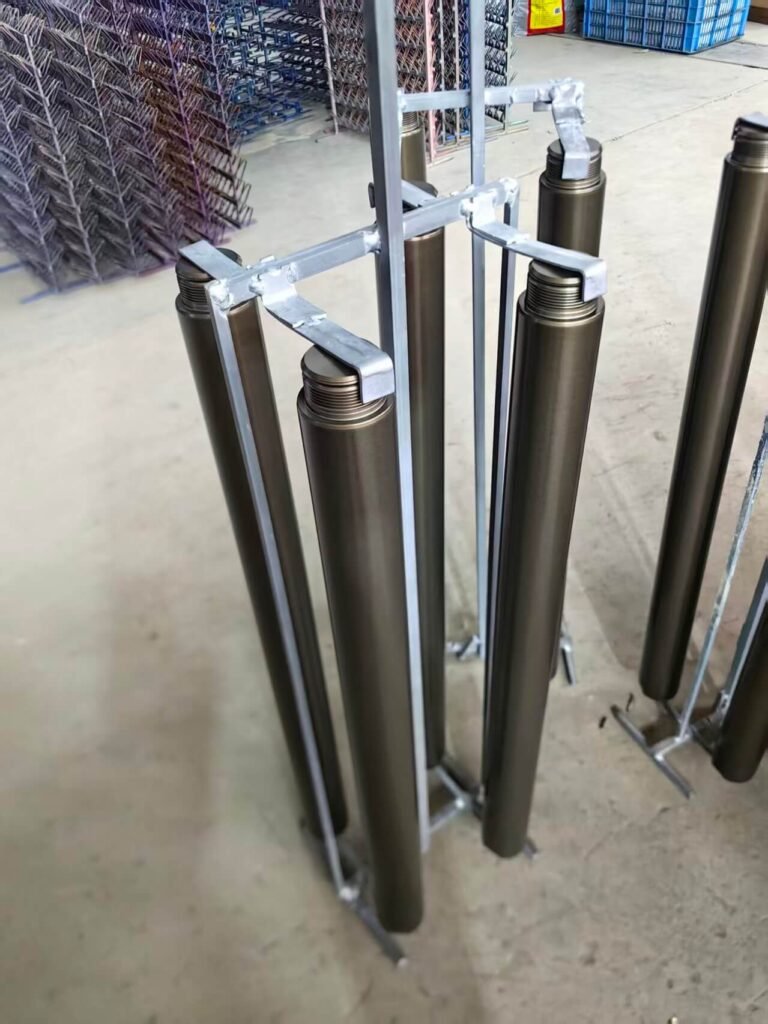
Hard Anodizing vs Regular Anodizing: How to Choose the Right Finish for Aluminum CNC Parts
Anodizing improves corrosion resistance, appearance and surface performance on aluminum parts. Regular anodizing is widely used for color and general protection, while hard anodizing creates a thicker, harder oxide layer for wear resistance and demanding industrial applications. This guide compares Type II and Type III anodizing by thickness, hardness, color, tolerance impact, cost and application.
What Is Aluminum Anodizing?
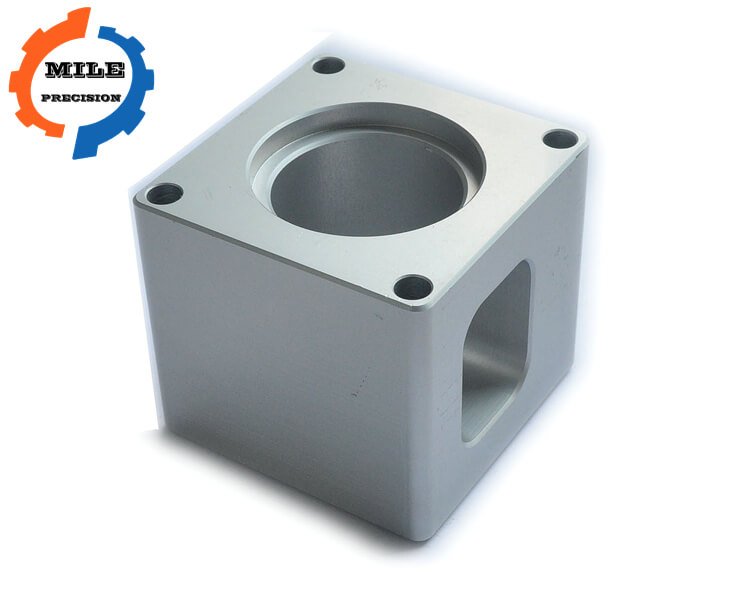
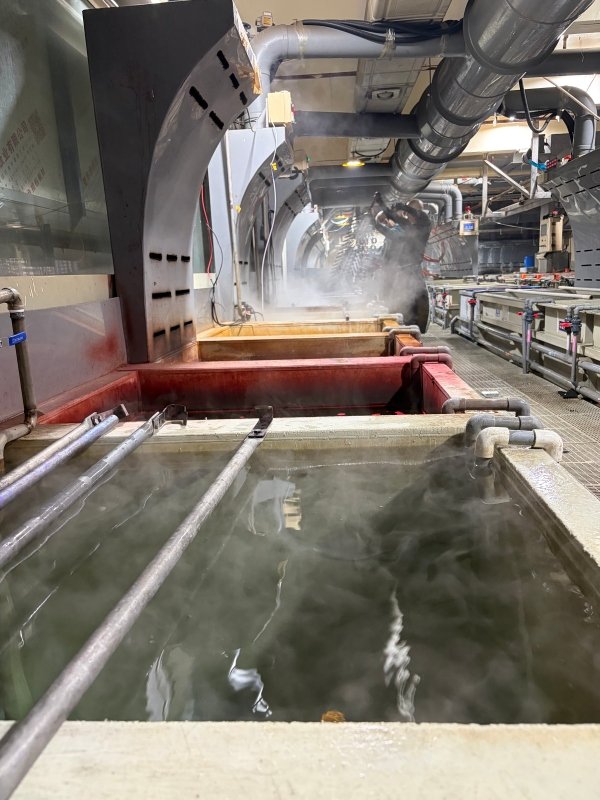
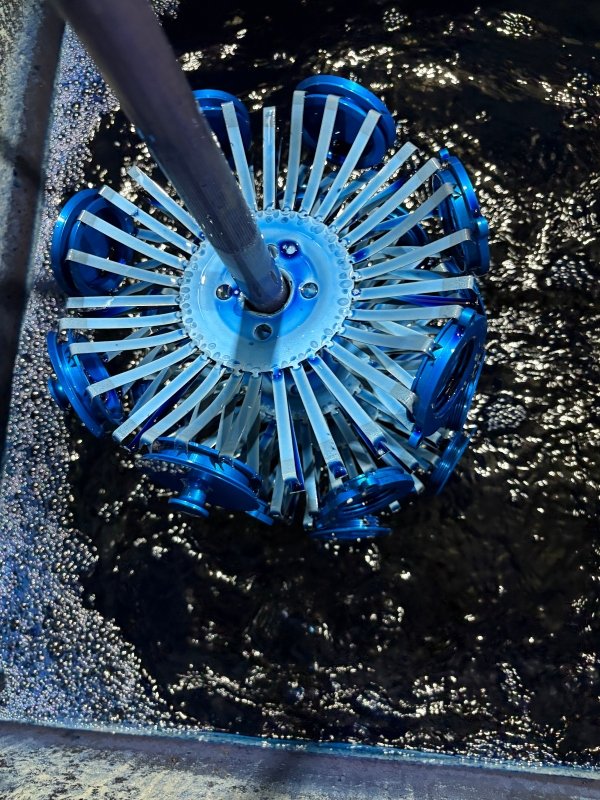
Anodizing is an electrochemical process that converts the surface of aluminum into a controlled aluminum oxide layer. Unlike paint or plating, the oxide layer is grown from the aluminum surface itself. This makes anodizing strongly bonded to the base material and useful for corrosion resistance, wear resistance, dye coloring and electrical insulation.
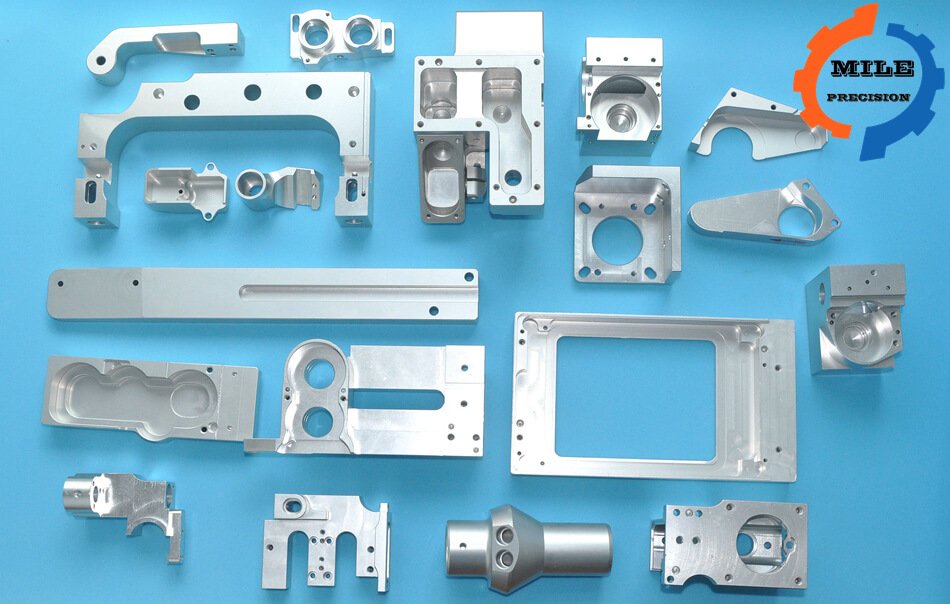
There are several anodizing types, but CNC machined aluminum parts most often use regular sulfuric acid anodizing, commonly called Type II anodizing, or hardcoat anodizing, commonly called Type III hard anodizing. Both processes improve the surface, but they are not interchangeable. The correct choice depends on function, appearance, tolerance, wear, environment and cost.
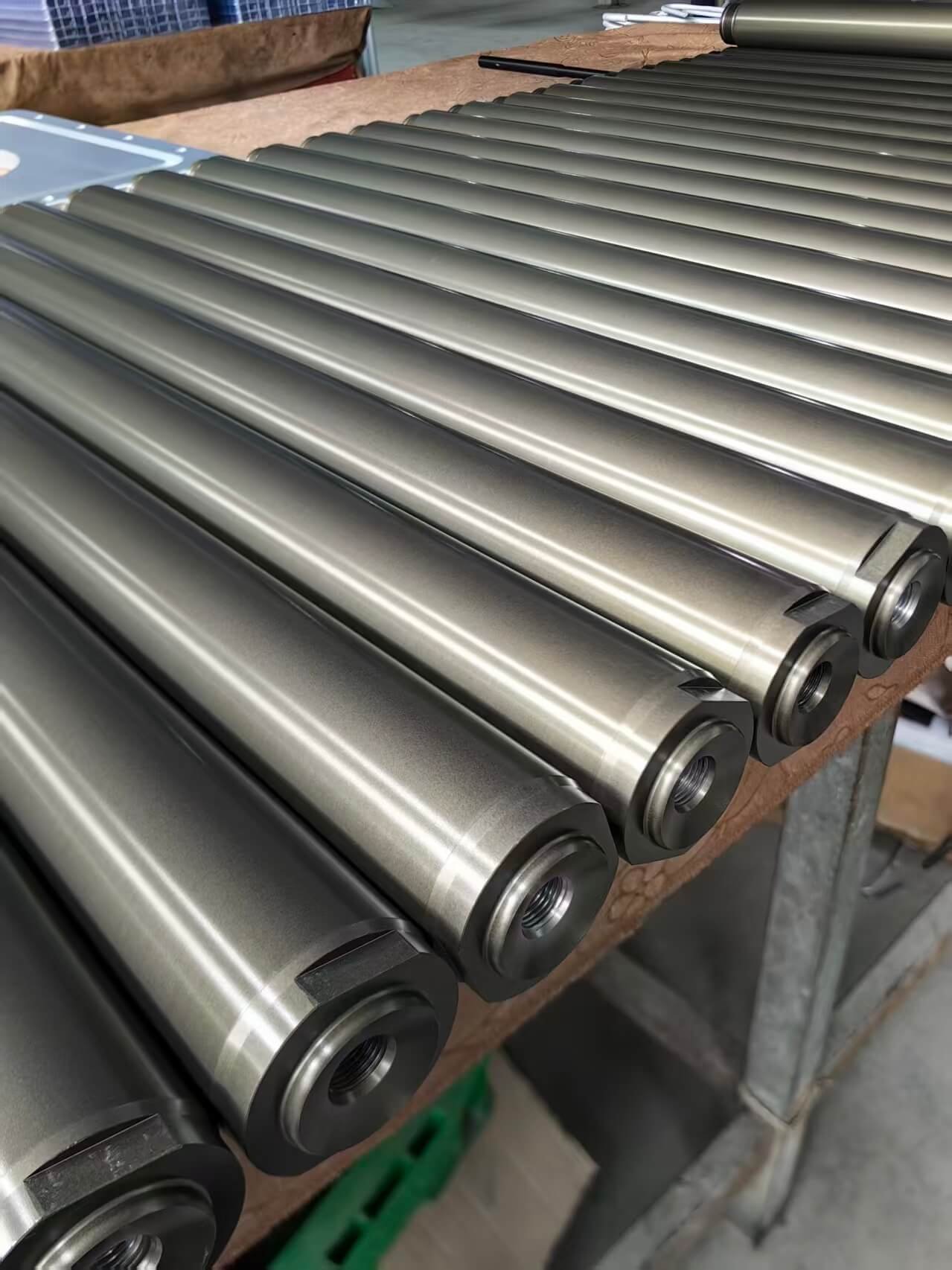
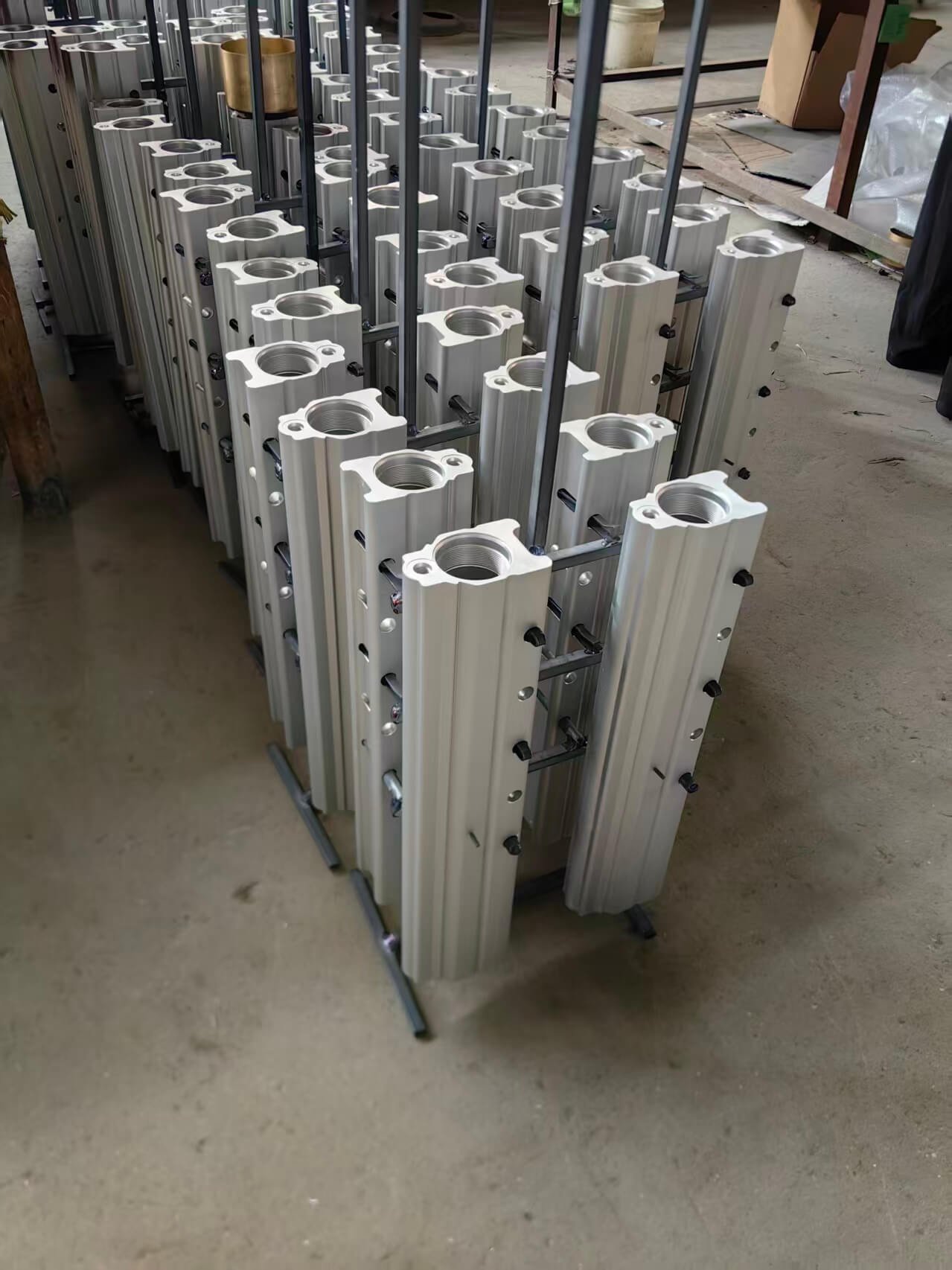
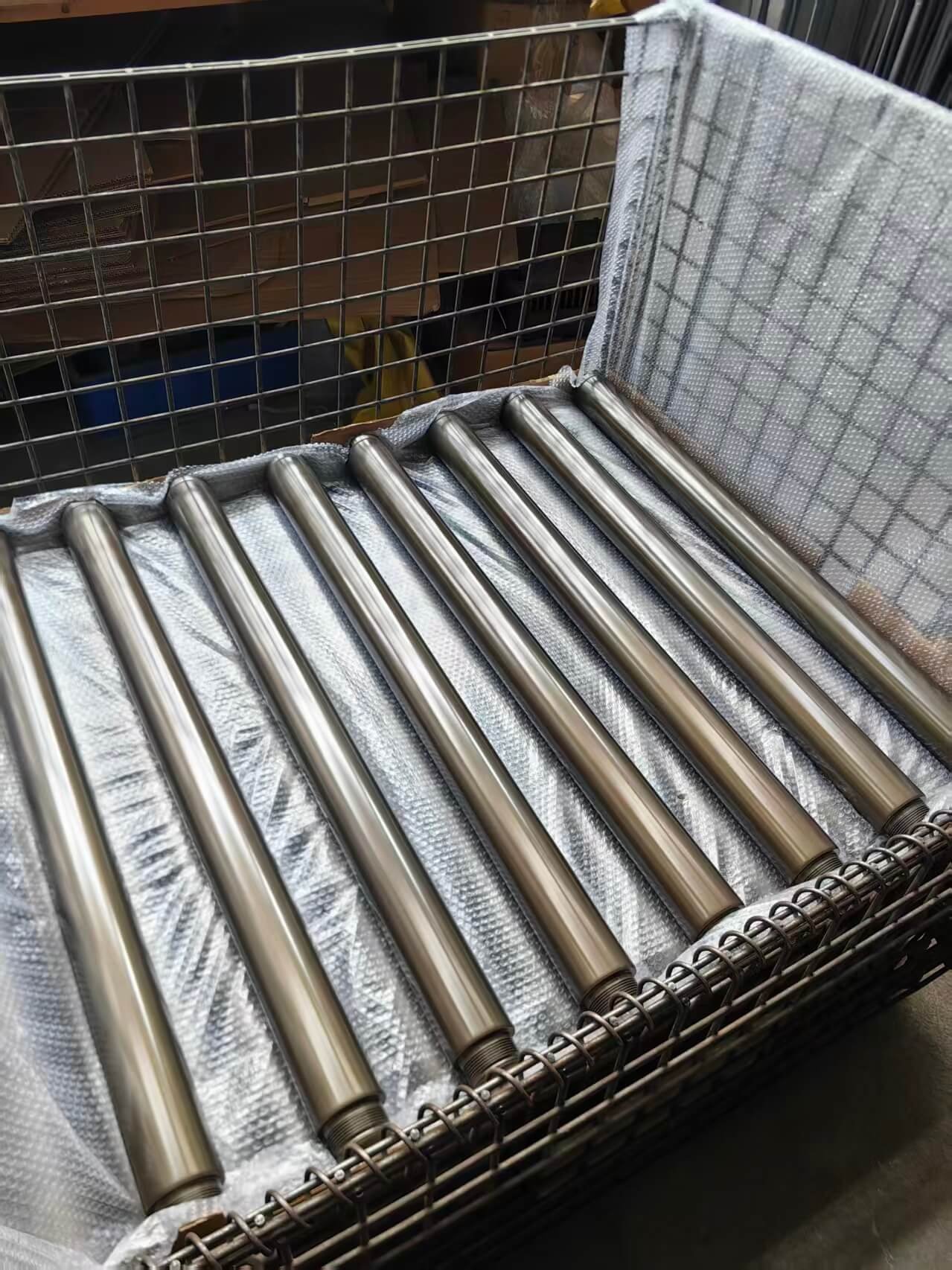
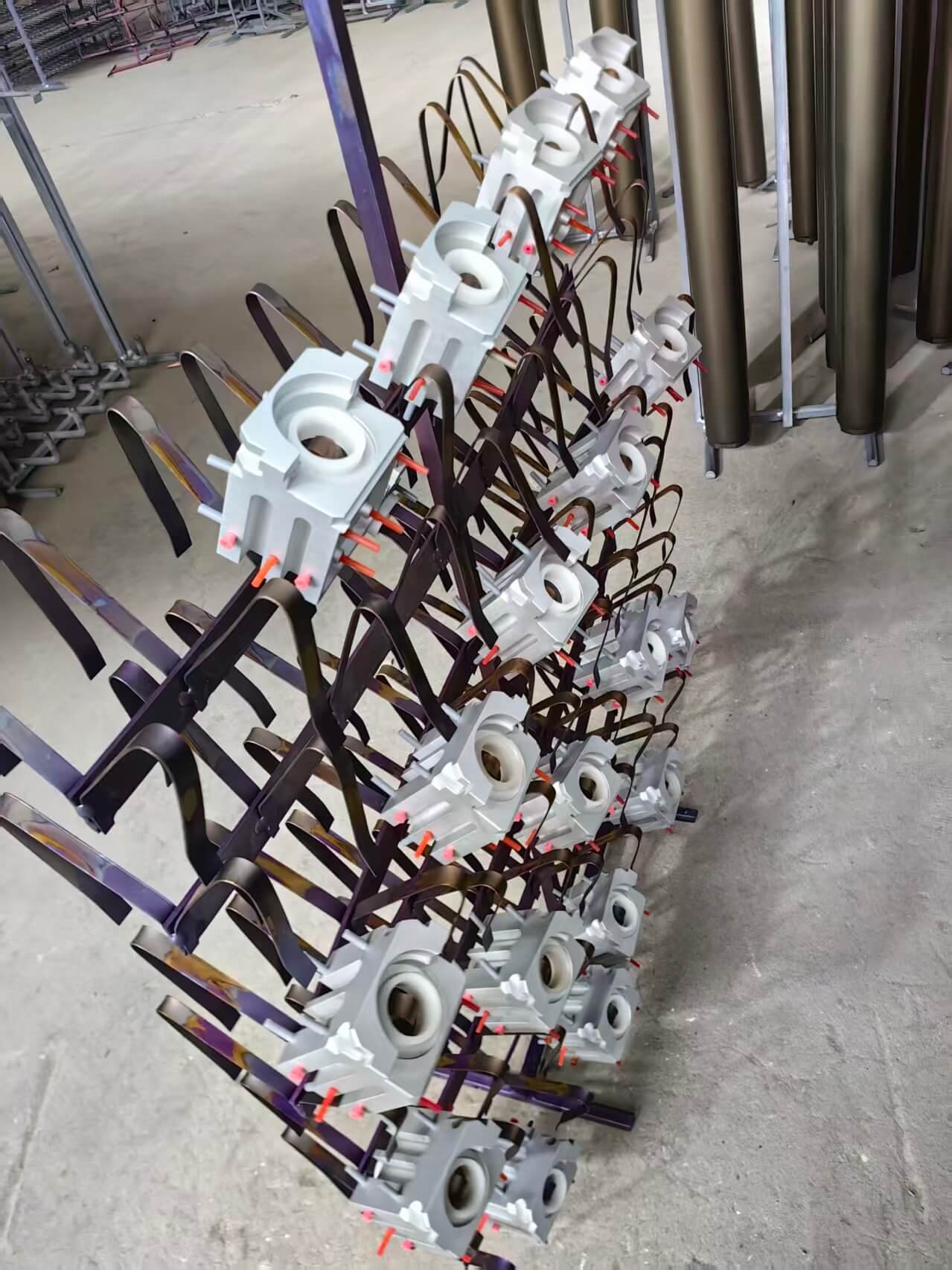
Hard Anodizing vs Regular Anodizing: Quick Comparison
Regular anodizing and hard anodizing both form aluminum oxide, but hard anodizing uses a more aggressive process to build a thicker and denser oxide layer. That layer improves wear performance and hardness, but it can affect color, cost and dimensional control.
| Factor | Regular anodizing / Type II | Hard anodizing / Type III | Selection advice |
|---|---|---|---|
| Main purpose | Corrosion resistance, color, general protection and appearance | Wear resistance, hardness, abrasion protection and functional durability | Choose based on whether appearance or performance is the main requirement |
| Typical thickness | About 5-25 microns depending on requirement | Often about 25-75 microns or more depending on specification | Confirm thickness with supplier and drawing notes |
| Hardness | Improves surface hardness compared with bare aluminum | Much harder and more wear resistant | Hardcoat is better for sliding, abrasion and high-use surfaces |
| Color options | Good dyeing options: clear, black, red, blue, gold and more | Color is more limited; natural hardcoat can look gray, dark bronze or olive depending on alloy | Use Type II for decorative color matching |
| Dimensional impact | Smaller coating buildup | Larger buildup and penetration into aluminum | Plan allowance for holes, grooves, threads and precision fits |
| Corrosion resistance | Good with proper sealing | Very good when sealed, especially with thicker coating | Both can work; environment and sealing matter |
| Electrical insulation | Improves insulation compared with bare aluminum | Better insulation due to thicker oxide layer | Hardcoat can help electrically insulating aluminum surfaces |
| Cost | Lower cost and widely available | Higher cost due to process time and control | Use hardcoat only where its performance is needed |
Regular Anodizing: Type II for Appearance and General Protection
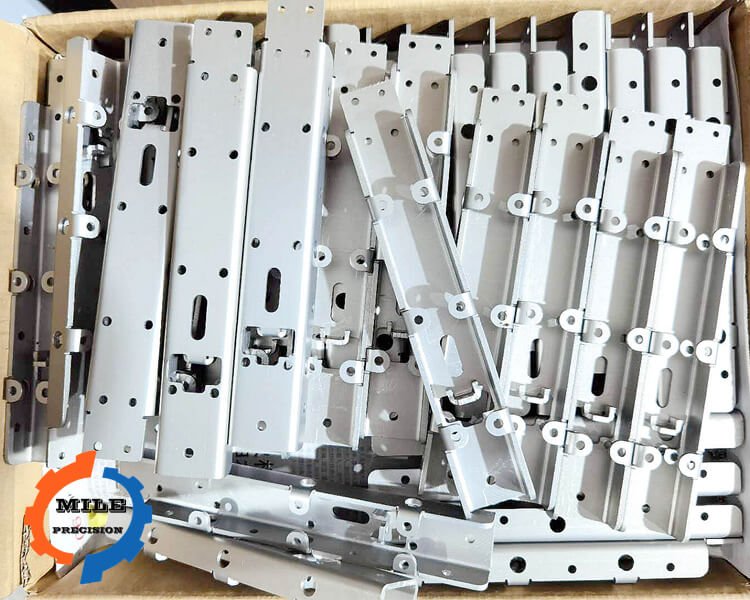
Regular anodizing is the most common anodized finish for CNC aluminum parts. It is suitable for products that need corrosion resistance, a clean appearance, moderate surface protection and optional color. Many consumer products, instrument housings, brackets, panels, camera components and automation parts use clear or black Type II anodizing.
Type II anodizing accepts dyes well, making it a good choice for black, clear and colored appearance parts.
When sealed properly, regular anodizing protects aluminum against many normal environments.
The thinner layer usually creates less tolerance change than hard anodizing.
Regular anodizing is not the best choice when a surface will see heavy sliding wear, abrasive contact or repeated mechanical rubbing. In those cases, hard anodizing or another coating may be more suitable.
Hard Anodizing: Type III for Wear Resistance and Functional Surfaces
Hard anodizing, also called hardcoat anodizing, produces a thicker and denser oxide layer. It is used when aluminum parts need improved wear resistance, abrasion resistance, surface hardness and durability. Typical applications include sliding components, guides, cylinders, pistons, tooling plates, aerospace parts, automotive parts, hydraulic components and industrial equipment.
Hard anodizing can also improve electrical insulation and thermal emissivity, but it is not mainly a decorative finish. Color can be less predictable than regular anodizing, especially on different aluminum alloys or thick coatings. Natural hardcoat may appear gray, dark gray, bronze or olive.
| Use hard anodizing when | Why it helps | Design caution |
|---|---|---|
| Parts slide or rub against other surfaces | Harder oxide layer improves abrasion resistance | Check mating material, lubrication and surface roughness |
| Aluminum needs better durability | Thicker coating resists wear better than Type II | Edges and sharp corners still need good design |
| Corrosion resistance is important | Sealed hardcoat can provide strong environmental protection | Deep pores and sealing quality affect real performance |
| Electrical insulation is needed | Aluminum oxide is electrically insulating | Mask grounding points or contact surfaces if conductivity is required |
| Precision parts need a wear surface | Hardcoat can protect functional faces | Account for coating buildup on fits, bores and grooves |
How Anodizing Affects Dimensions and Tolerances
Anodizing grows partly into the aluminum and partly outward from the original surface. A common engineering approximation is that about half the coating thickness penetrates the base material and about half builds outward, but the exact behavior depends on alloy, process and specification. For non-critical surfaces this may not matter. For holes, grooves, bearing fits, threads and sealing faces, it can matter a lot.
| Feature | Risk after anodizing | Recommended approach |
|---|---|---|
| Precision bores | Diameter can become smaller after coating buildup | Oversize before anodizing or mask/finish-machine after anodizing if required |
| External shafts or bosses | Diameter can increase | Define final dimension after coating and include coating allowance |
| Threads | Thread fit can become tight or inconsistent | Mask critical threads, chase after anodizing or define thread treatment clearly |
| Sealing grooves | Width/depth and roughness can change | Specify whether groove dimensions apply before or after anodizing |
| Electrical contact areas | Anodized layer may block conductivity | Mask grounding pads or machine contact areas after anodizing |
| Sharp edges | Coating can be thinner or less uniform | Add edge breaks and avoid unnecessary sharp corners |
For tight tolerance CNC aluminum parts, the drawing should state coating type, thickness, color, sealing requirement and whether dimensions apply before or after anodizing.
Best Aluminum Alloys for Anodizing
Not all aluminum alloys anodize the same way. Alloying elements influence color, clarity, corrosion behavior and final appearance. 6061 and 6082 are common choices for CNC machined anodized parts because they machine well and anodize reliably. 7075 is strong, but color and corrosion performance can be less uniform. Die cast aluminum alloys may anodize poorly because of silicon and porosity.
| Aluminum alloy | Anodizing behavior | Typical use | Note |
|---|---|---|---|
| 6061 | Good and predictable for clear or black anodizing | General CNC parts, brackets, housings, fixtures | One of the best all-around choices |
| 6082 | Similar to 6061 in many applications | Structural machined parts and plates | Common in many markets |
| 7075 | Can be anodized but color and corrosion results may vary | High-strength lightweight parts | Use when strength matters more than perfect color match |
| 5052 | Good corrosion resistance and anodizing behavior | Sheet metal, formed parts and panels | Often used when forming is required |
| Cast aluminum | Often less cosmetic due to silicon, porosity and alloy content | Die cast housings and bodies | Powder coating or painting may be better for appearance |
Design Tips for Anodized CNC Aluminum Parts
Choose alloy early
Do not expect all aluminum grades to anodize with the same color or corrosion result.
Plan coating allowance
Adjust machined dimensions when anodizing thickness affects assembly or motion.
Mask critical areas
Mask threads, contact pads, bearing seats or grounding points when coating is not wanted.
Control appearance
Use consistent alloy, surface preparation and batch conditions for color-sensitive parts.
- Specify Type II or Type III clearly on the drawing.
- Define color, sealing, matte/gloss expectation and surface preparation such as bead blasting.
- Use realistic color matching expectations, especially between different aluminum alloys.
- Avoid sharp edges if coating durability is important.
- Tell the supplier which surfaces are cosmetic, functional, masked or allowed to show rack marks.
- For hard anodizing, review final dimensions and sliding contact before production.
Inspection and Quality Control for Anodized Parts
Anodized parts should be inspected both visually and dimensionally. For cosmetic parts, color consistency, scratches, stains, rack marks and surface preparation are important. For functional hard anodized parts, coating thickness, wear surface, final dimensions and masked areas are more important. The inspection plan should match the application.
Check color, scratches, stains, gloss level, blasting consistency and rack mark location.
Measure critical holes, threads, slots and sealing features after anodizing if coating affects fit.
For critical parts, verify coating type, thickness, sealing and masked areas against the drawing.
FAQ: Hard Anodizing vs Regular Anodizing
Is hard anodizing better than regular anodizing?
Hard anodizing is better for wear resistance, hardness and functional durability. Regular anodizing is better for lower cost, decorative colors and general corrosion protection.
Can hard anodizing be black?
Yes, hard anodizing can be dyed black in many cases, but color control is usually less predictable than regular Type II anodizing. Natural hardcoat may appear gray, dark bronze or olive depending on alloy and thickness.
Does anodizing change dimensions?
Yes. Anodizing grows an oxide layer that partly builds outward and partly penetrates the aluminum. Hard anodizing has a larger dimensional effect because the coating is thicker.
Which aluminum alloy is best for anodizing?
6061 is one of the most common and reliable alloys for CNC machined anodized parts. 6082 is also commonly used. 7075 can be anodized, but appearance and corrosion results can vary.
Should threads be anodized?
It depends on function. Non-critical threads may be anodized, but precision threads, electrical contact threads or tight threaded fits may need masking or post-treatment thread chasing.
Need help choosing anodizing for CNC aluminum parts?
Send your drawing, alloy, color target, coating thickness, tolerance requirements and application. Milemetal can review whether regular anodizing, hard anodizing, masking or post-machining is the best finishing route.