Hard Anodizing vs Regular Anodizing: How to Choose the Right Finish for Aluminum CNC Parts
2026-06-13
PTFE Machining Guide: CNC Machining Teflon Parts
2026-06-14
Design Guide for Swiss-Type CNC Machining: Small, Long and High-Precision Turned Parts
Swiss-type CNC machining is designed for small precision components, slender shafts, pins, bushings, connectors and medical or electronic hardware that require tight tolerances and repeatable production. This guide explains how Swiss machining works, when it is the right process, how to design parts for guide-bushing support, which materials are suitable, and how to control cost, tolerance and surface finish.
What Is Swiss-Type CNC Machining?
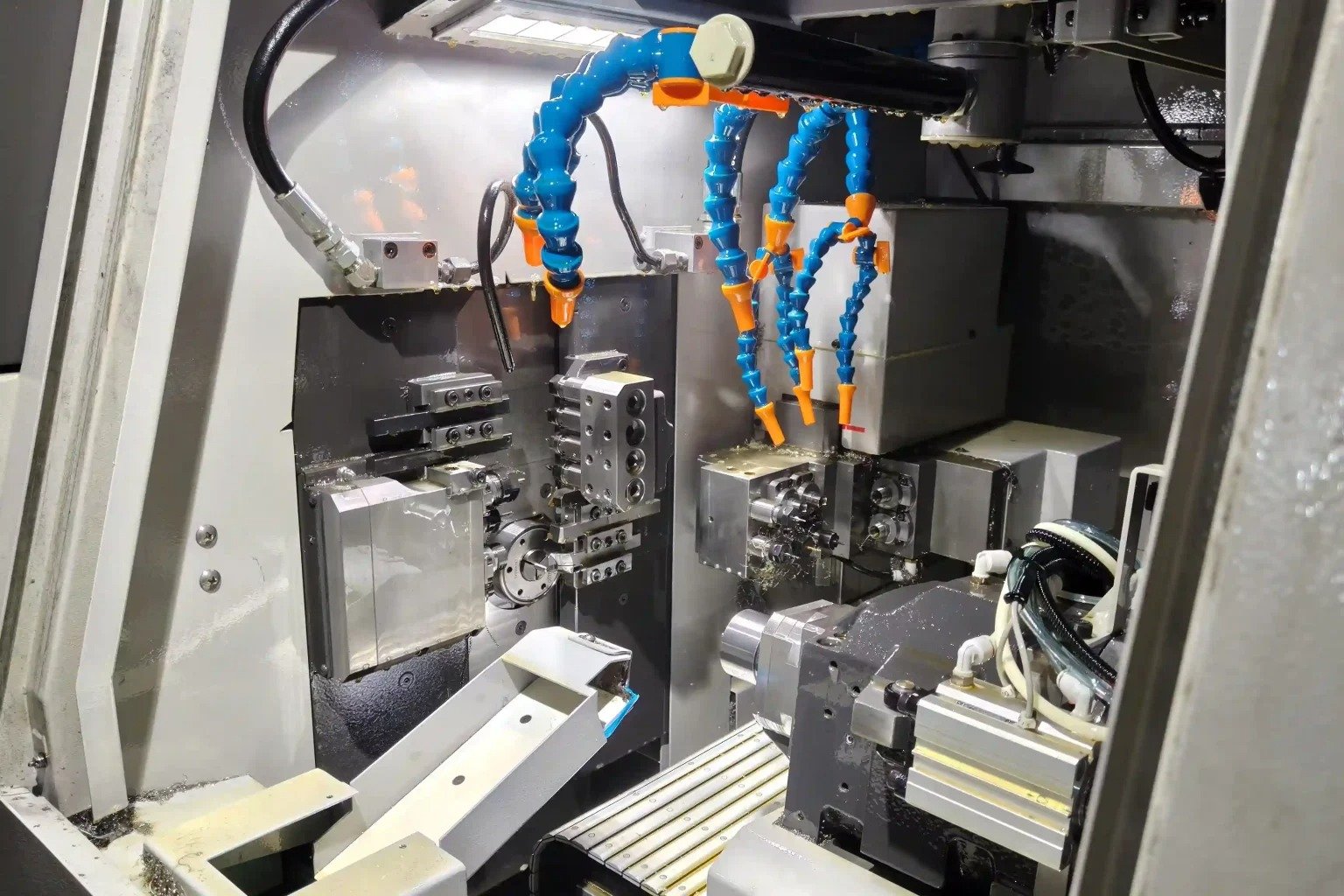
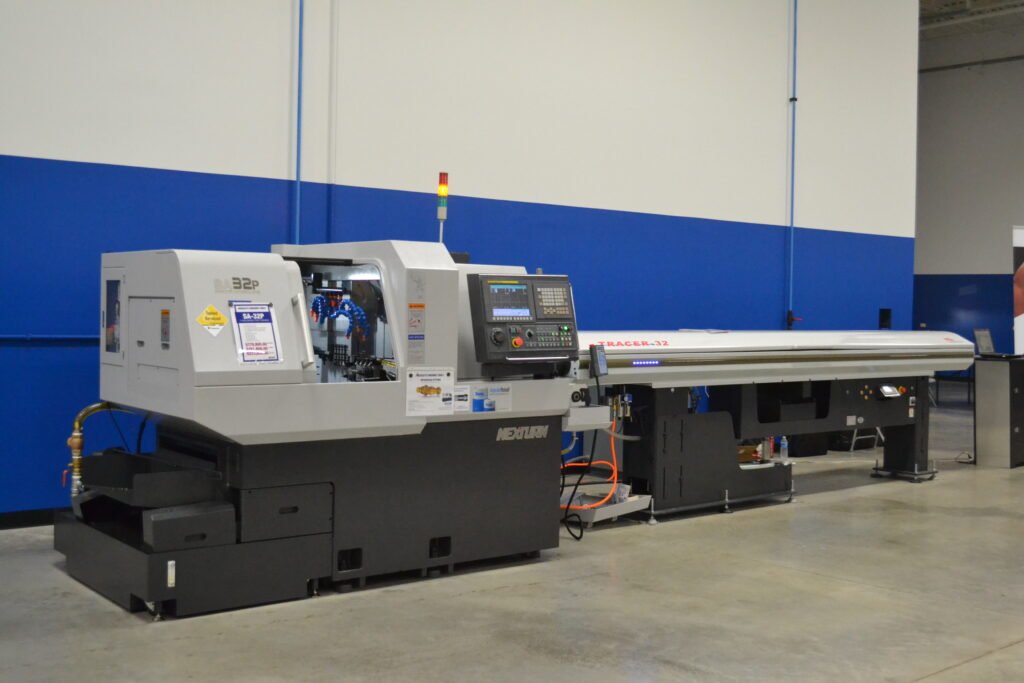
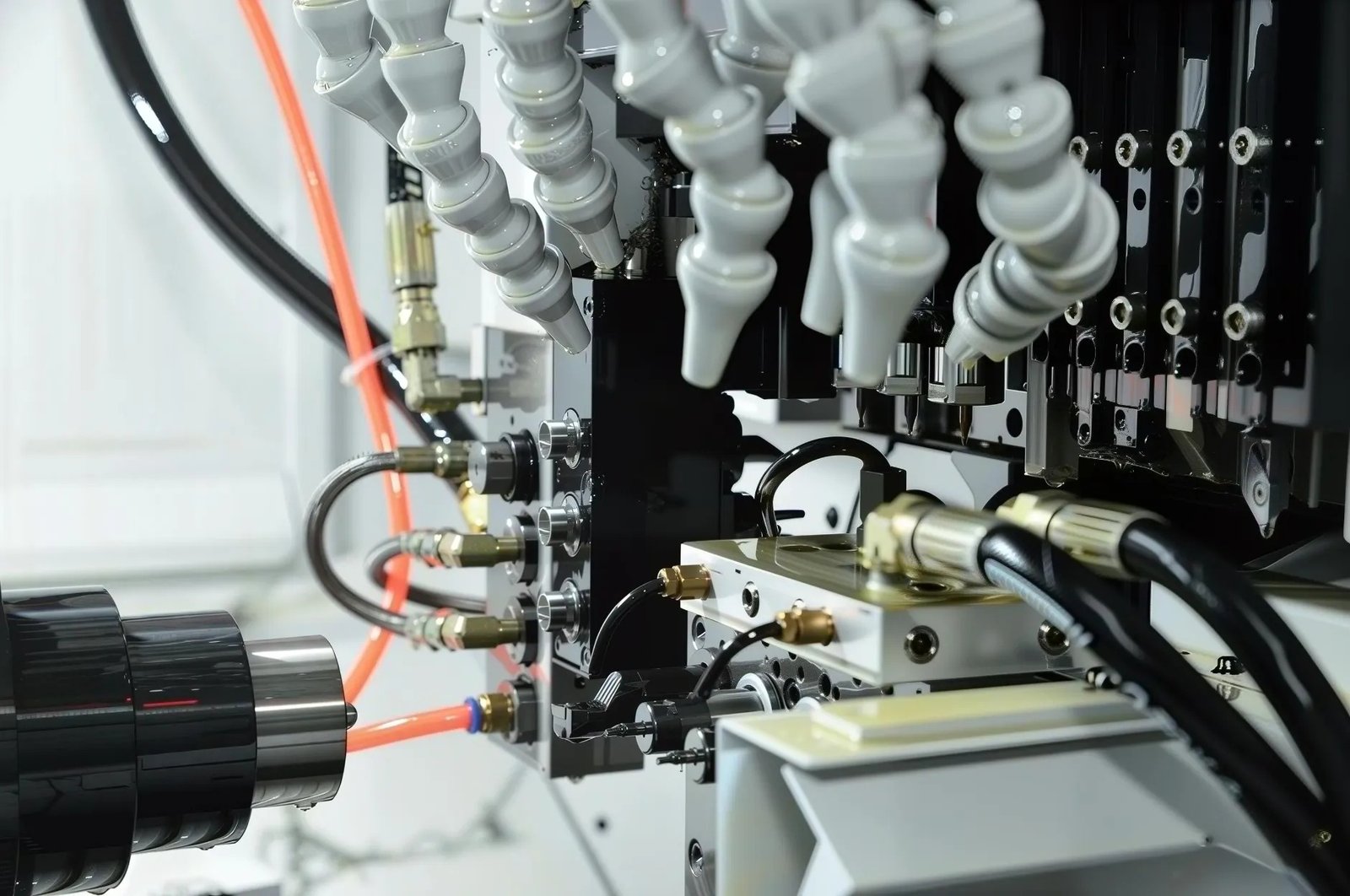
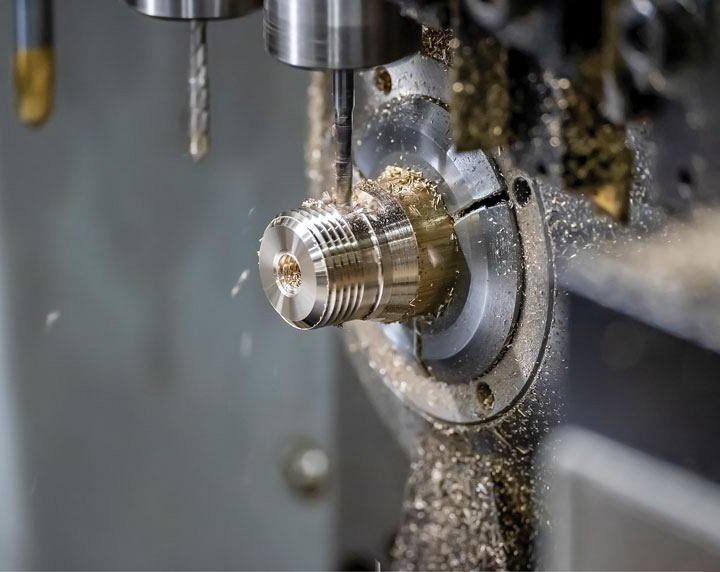
Swiss-type CNC machining, also called Swiss screw machining or Swiss turning, is a turning process where the bar stock slides through a guide bushing and is supported very close to the cutting tool. Instead of exposing a long section of material like a conventional lathe, the machine feeds only the amount of stock needed for each operation. This short unsupported length reduces deflection and helps the tool cut small, slender and accurate parts.
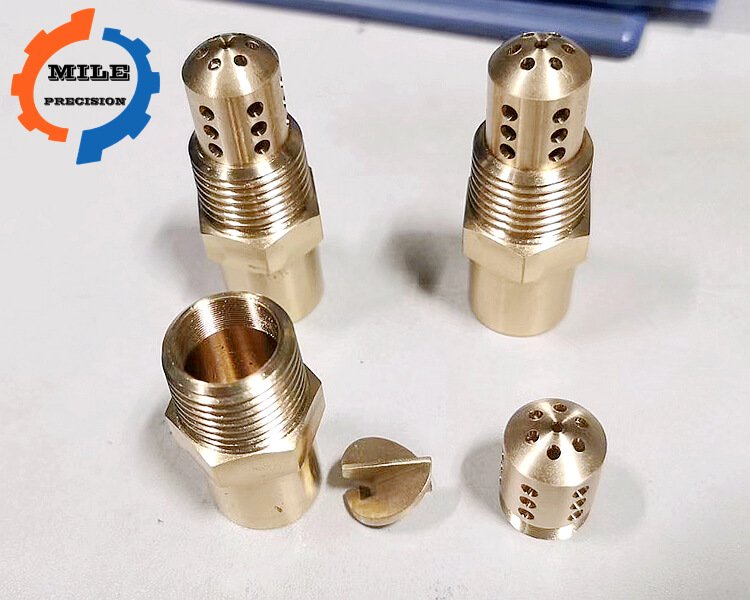
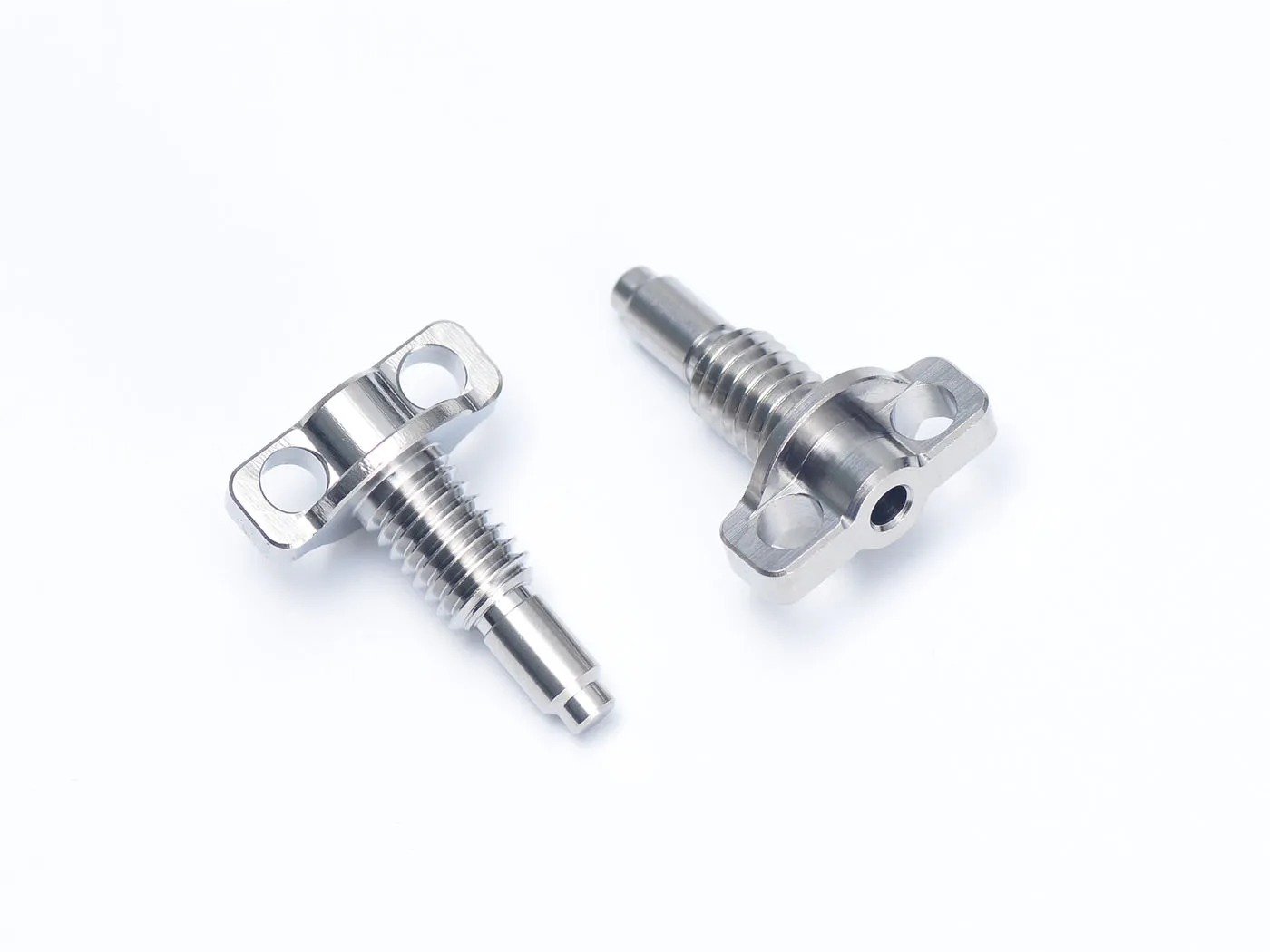
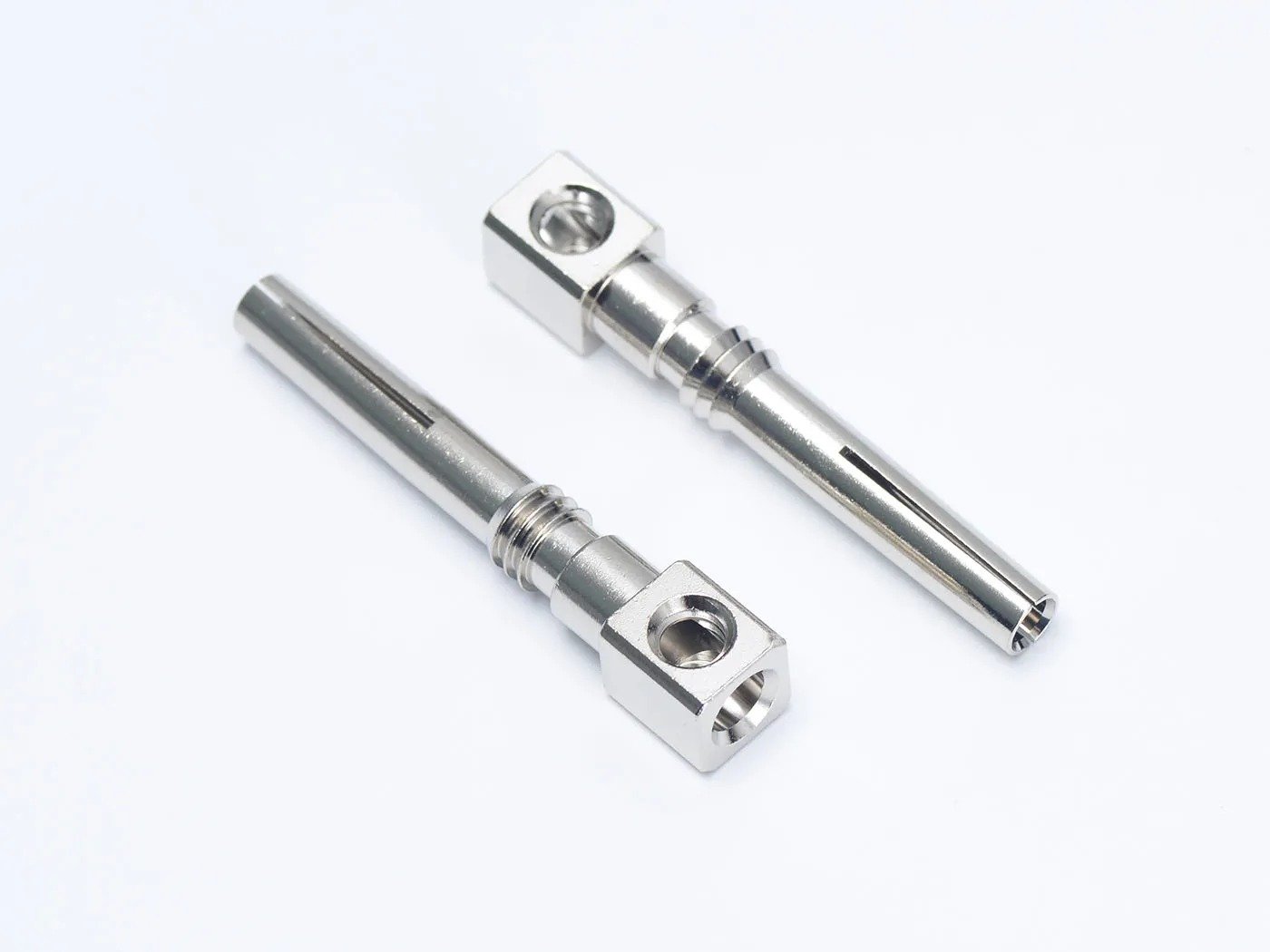
Modern Swiss machines can combine turning, milling, drilling, cross drilling, slotting, threading, knurling and parting operations in one setup. Many machines use a main spindle, sub-spindle, live tools and multiple tool stations, allowing complex parts to be machined from bar stock with less manual handling. For production work, this can improve repeatability and reduce secondary operations.
When Swiss Machining Is the Right Process
Swiss machining is usually chosen because a conventional CNC lathe has difficulty holding geometry on a slender part, or because the part has many small features that can be completed efficiently from bar stock. The process is especially valuable when part quality depends on concentricity, diameter control, smooth feed marks, small drilled holes or repeated production of the same geometry.
Swiss machining is often used for parts from a few millimeters up to medium bar diameters, depending on machine capacity.
Guide-bushing support reduces deflection on pins, shafts, sleeves and other slender components.
Once the setup is proven, Swiss turning is efficient for repeat batches with stable dimensions and fewer transfers.
| Part condition | Why Swiss machining helps | Design note |
|---|---|---|
| Long shaft or pin | Guide bushing supports stock close to the cutting point | Keep diameter changes practical and avoid unnecessary deep undercuts |
| Many turned features | Multiple tools can work with minimal part handling | Group related diameters and threads where possible |
| Cross holes or flats | Live tooling can add milled and drilled features on the same machine | Confirm tool access and avoid very deep off-center pockets |
| Tight concentricity | Machining from bar in one setup can reduce datum transfer error | Define functional datums clearly on the drawing |
| Production quantity | Cycle time becomes efficient after setup cost is spread across volume | Swiss machining is less attractive for very simple one-off parts |
Swiss Machining Design Rules for Better Cost and Quality
A Swiss-machined part should be designed around stable bar feeding, tool access and burr control. Small changes in geometry can make a large difference in cycle time, tool life and inspection difficulty. The best drawings communicate the final function, not just nominal dimensions.
Control length-to-diameter ratio
Swiss machining handles slender parts well, but extreme ratios still need review for bar whip, support and cutoff stability.
Use practical radii
Internal corners need tool nose radius or end-mill access. Avoid sharp internal corners unless there is a real function.
Plan thread relief
Threads, grooves and shoulders need clearance for tool runout, burr control and gage inspection.
Specify only critical tolerances
Tight tolerances on every feature increase inspection and cycle cost. Apply precision where the assembly needs it.
- Keep wall thickness balanced when machining thin sleeves or tubular features.
- Avoid very deep, narrow grooves unless the groove tool can enter and evacuate chips reliably.
- Use chamfers or small edge breaks to reduce burrs on cross holes, threads and cutoff faces.
- Identify critical diameters, sealing surfaces, bearing seats and datum references clearly.
- Confirm whether dimensions apply before or after plating, passivation, heat treatment or anodizing.
- For parts with cross holes, define whether burrs are allowed and which side is functionally important.
Typical Swiss Machining Features
Swiss machining can produce far more than simple round pins. With live tooling and sub-spindle operations, one setup can often create a complete part with front and back work. The practical limit is usually tool access, part rigidity, bar size and cycle time.
| Feature | Swiss machining capability | Design caution |
|---|---|---|
| Outside diameters and steps | High repeatability for turned profiles | Avoid unnecessary tiny shoulders that add tool changes |
| Small drilled holes | Good for axial and radial holes with suitable drill sizes | Deep small holes may need peck drilling and careful chip evacuation |
| Threads | External, internal, cut, rolled or tapped threads depending on material and size | Add thread relief and define thread gage standard |
| Flats and slots | Live tools can mill flats, wrench features and slots | Very wide flats may be more efficient on milling equipment |
| Grooves and undercuts | Common for seals, retaining rings and relief features | Narrow deep grooves increase tool fragility |
| Back-side features | Sub-spindle can machine cutoff side without manual refixturing | Back work should be reviewed for workholding and tool clearance |
Materials for Swiss-Type CNC Machining
Swiss machines process many metals and plastics, but machinability matters. Free-machining brass, aluminum, stainless steel, carbon steel and some engineering plastics can run efficiently. Difficult materials such as titanium, hardened stainless steel or gummy plastics may require lower speeds, stronger tools, special coolant and more careful tolerance planning.
| Material | Advantages | Machining concern | Typical Swiss parts |
|---|---|---|---|
| Brass | Excellent machinability, good conductivity, clean edges | Material grade affects lead content and compliance | Connectors, electrical pins, fittings, bushings |
| Aluminum 6061 / 7075 | Lightweight, easy to machine, good finishing options | Thin features can deform; anodizing affects final dimensions | Spacers, shafts, sleeves, optical hardware |
| Stainless steel 303 / 304 / 316 | Corrosion resistance and strength | Work hardening, tool wear and burr control | Medical parts, shafts, valve parts, fastener components |
| Carbon and alloy steel | Strength, wear resistance and heat-treatment options | Heat treatment can change dimensions after machining | Pins, pivots, threaded inserts, precision rods |
| Titanium | High strength-to-weight and corrosion resistance | Low thermal conductivity and tool wear | Medical, aerospace and lightweight hardware |
| POM, PEEK, PTFE, nylon | Lightweight, low friction or high-performance plastic options | Thermal movement, flexibility and burr control | Insulators, sleeves, bushings and low-friction parts |
Tolerances, Surface Finish and Inspection
Swiss machining can achieve very tight tolerances when the part, material, machine setup and inspection method support the requirement. However, the drawing should separate critical dimensions from general dimensions. A diameter that controls bearing fit may need a tight tolerance, while a non-functional length may only need a standard machining tolerance.
Surface finish depends on material, tool geometry, feed rate, cutting speed, coolant and secondary finishing. For sealing surfaces, sliding shafts or medical components, surface roughness should be specified with a measurable Ra value. For appearance-only surfaces, a finish description or sample may be more practical than an extremely tight roughness callout.
Inspection points to define
- Critical outside diameters and bore diameters
- Concentricity, runout or coaxiality requirements
- Thread gage and thread depth requirements
- Surface roughness on sealing or sliding features
- Burr limits on cross holes, grooves and cutoff faces
- Final dimensions after plating, passivation or heat treatment
Swiss Machining vs Conventional CNC Turning
Conventional CNC turning is still a strong choice for larger diameters, shorter parts, simpler shapes and low-quantity work. Swiss turning becomes more attractive when the part is small, slender and feature-rich. A simple bushing may not need Swiss machining, while a long pin with grooves, threads, cross holes and tight runout may be a much better match.
| Factor | Swiss-type CNC machining | Conventional CNC turning | Practical choice |
|---|---|---|---|
| Long slender parts | Excellent due to guide-bushing support | More deflection risk as unsupported length increases | Swiss for high length-to-diameter ratio |
| Very simple part | Setup may be more than needed | Often more economical | Conventional turning for simple low-volume parts |
| Complex small features | Strong with live tooling and sub-spindle | May require secondary operations | Swiss when multiple operations can be combined |
| Large diameter part | Limited by machine bar capacity | Better range of chucking and bar sizes | Conventional turning or milling for larger parts |
| Production volume | Efficient after setup for repeat runs | Flexible for small batches and broad part sizes | Compare setup, cycle time and inspection cost |
How to Reduce Swiss Machining Cost
Swiss machining cost is driven by setup, bar material, cycle time, tool changes, tolerances, inspection and secondary finishing. The most expensive parts are not always the most complex-looking parts; sometimes cost comes from a tiny tolerance, difficult burr requirement, low-volume setup, deep micro hole or hard-to-inspect feature.
Select stock sizes that reduce material waste and avoid unnecessary turning from oversized bar.
Apply tight tolerances only to functional features such as fits, sealing faces and datum-related geometry.
Design features so they can be machined from the same orientation when possible.
Define which edges must be burr-free and which can follow normal deburring standards.
Passivation, plating, anodizing and heat treatment can all affect dimensions and surfaces.
Knowing repeat quantity helps the supplier choose tooling, automation and inspection strategy.
FAQ: Swiss-Type CNC Machining Design
What parts are best for Swiss machining?
Swiss machining is best for small precision turned parts, slender shafts, pins, sleeves, bushings, connectors, medical components and parts with many small features made from bar stock.
Why is Swiss machining good for long parts?
The guide bushing supports the material close to the cutting tool, reducing deflection and vibration. This helps maintain diameter, straightness and surface finish on long slender parts.
Is Swiss machining only for high volume?
No, but it becomes more cost-effective when setup cost can be spread across repeat quantities. For a simple one-off part, conventional turning may be cheaper.
Can Swiss machines mill flats and cross holes?
Yes. Many Swiss CNC machines include live tooling for cross drilling, milling flats, slotting and other off-center features. Tool access and feature depth still need review.
What materials can be Swiss machined?
Common choices include brass, aluminum, stainless steel, carbon steel, alloy steel, titanium, POM, PEEK, PTFE and nylon. Each material affects tool life, burr control, tolerance and cost.
Need help reviewing a Swiss-machined part?
Send your drawing, material, annual quantity, tolerance requirements and finishing needs. Milemetal can review whether Swiss-type CNC machining, conventional turning or another CNC process is the best manufacturing route.